







































Edward VIII pillar boxes represent one of the rarest surviving forms of British street furniture, a direct result of the brevity of his reign, which lasted only 326 days in 1936 before his abdication. Their scarcity has made them objects of considerable interest to collectors and historians of the postal service. Production of boxes bearing the royal cipher of Edward VIII was extremely limited. Early estimates placed the number of pillar boxes manufactured during his reign at approximately 161, though subsequent research by the Letter Box Study Group in 2019 revised that figure, suggesting a total of around 271 boxes produced in 1936, of which 171 were free-standing pillar types. A smaller number of wall and lamp boxes were also cast, reflecting the standard pattern of postal distribution across the country at that time.
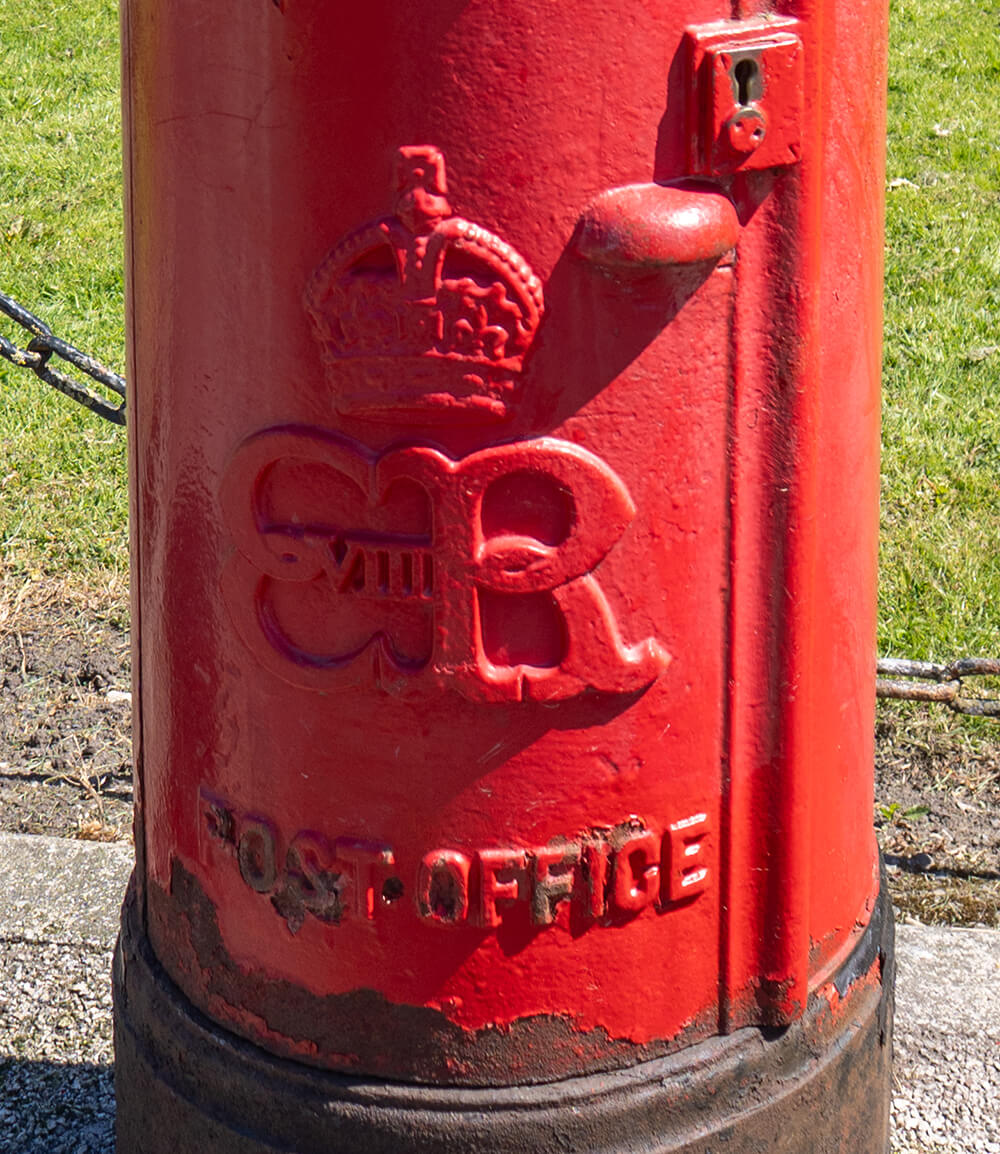
The cipher of Edward VIII was distinctive in its design. The ornate letters “E” and “R” appeared separately, unlike those of his predecessors and successors, and were often accompanied by a Roman numeral “VIII” placed centrally between them. This stylistic variation, combined with its rarity, has contributed to the high esteem in which these boxes are held by postal historians. Following the abdication of Edward VIII in December 1936, production ceased immediately. Many of the boxes already in place were later altered or replaced with new castings bearing the cipher of his successor, George VI, further reducing the number of surviving examples. The majority of the remaining boxes were the standard pillar-type, known as Type A, though a smaller number of the narrower Type B variant also exist.
Today, surviving Edward VIII boxes are scattered across the British Isles, including a modest number in Scotland, where approximately thirty examples have been identified. The overall number believed to remain in situ in the United Kingdom is thought to be about 171. Each of these objects serves not only as a functioning element of public infrastructure but also as a tangible relic of one of the shortest and most turbulent reigns in modern British history. Their continued presence within towns and villages provides a subtle yet enduring connection to a brief and controversial chapter of the monarchy, illustrating how even utilitarian design can acquire historical and cultural significance through circumstance and survival.
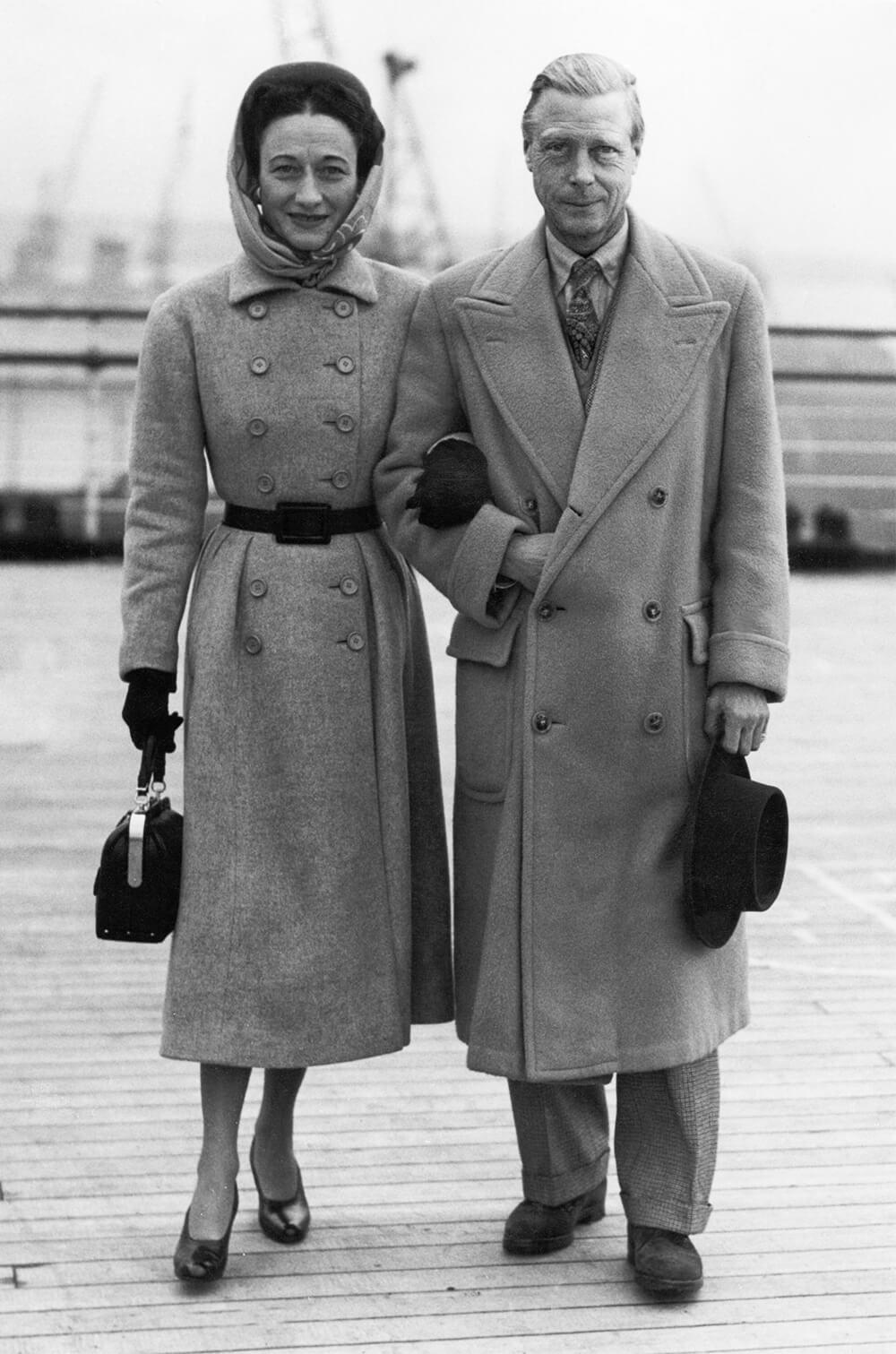
The Duke and Duchess on a walk in Southampton. Photo taken on 11 May 1947. © Alamy
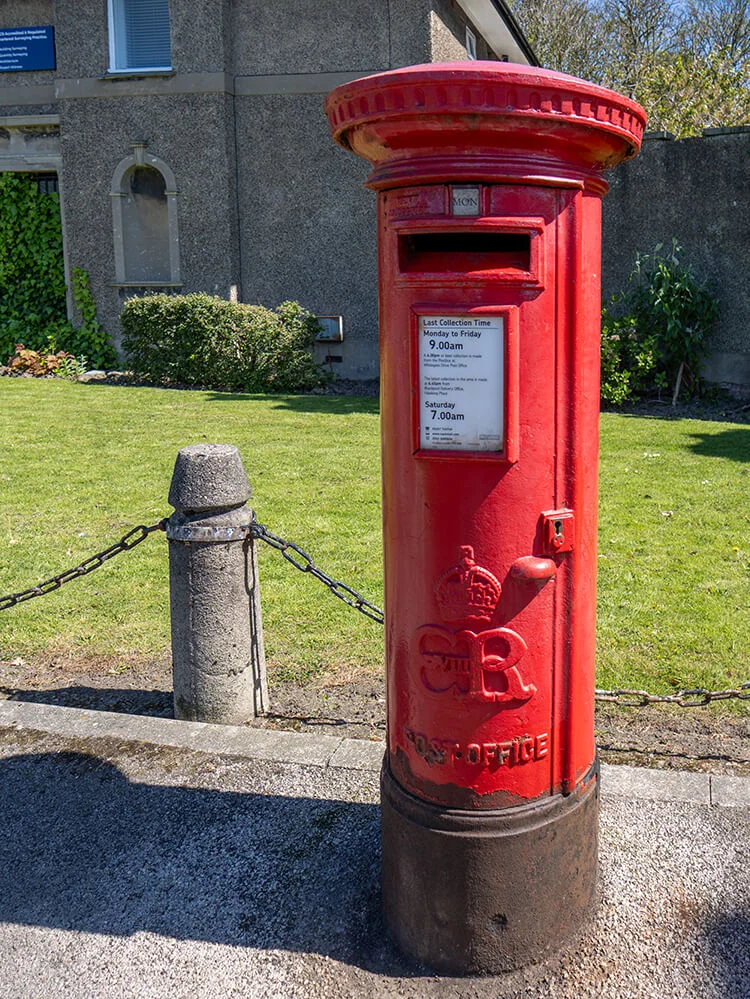
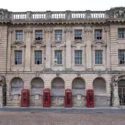
Additional Images © Alamy
Text source: Google AI Overview
Images by © Deeper Blue Marketing & Design Ltd


