


























During the Second World War, Blackpool—like many towns across Britain—constructed a network of air raid shelters intended to safeguard both residents and visitors from aerial attack. These shelters took several forms, ranging from the standard domestic designs provided to households to the larger communal structures established in public spaces. Among the most common private shelters were the Anderson and Morrison types. Anderson shelters were semi-subterranean structures made from corrugated steel sheets and buried in the ground, offering a basic but effective means of protection for individual families within their gardens. The Morrison shelter, developed later, was an indoor alternative—essentially a reinforced steel table designed for use inside the home, particularly in living rooms. It provided protection against shrapnel and collapsing debris, allowing occupants to shelter during raids without leaving their property.
Public shelters were established throughout the town to accommodate larger numbers of people during air raid alerts. One of the most notable examples was located within the Winter Gardens complex, where civilians could seek refuge amid the familiar surroundings of what had once been a centre of leisure. Additional public shelters appeared across the borough, including along Central Drive, Raikes Hill and Charnley Road, offering protection for residents in densely populated districts. Schools throughout Blackpool also incorporated shelters within their grounds to ensure the safety of pupils and staff.
Beyond the purely defensive shelters, a number of fortified structures—pillboxes and bunkers—were constructed as part of the town’s wider wartime defences. These concrete emplacements, built to resist small-arms fire and light artillery, were positioned at strategic points such as Blackpool Airport, near the railway line, and close to Stanley Park and the Zoo. Others stood near Fleetwood Road in Fleetwood, forming part of the regional network designed to protect critical infrastructure, including aircraft production facilities and transport routes. A bunker and loopholed bridge near Blackpool North Station may have been intended to secure the railway approaches into the town.
Blackpool’s Air Raid Precautions (ARP) units and the Local Defence Volunteers—later renamed the Home Guard—played central roles in maintaining readiness, issuing warnings, coordinating shelter usage, and managing emergency responses during bombing alerts. The town also received evacuees from heavily targeted industrial cities, increasing the need for adequate civil-defence provision.
Several physical remnants of this wartime infrastructure survive. A visible section of air raid shelter remains adjacent to the Metropole Hotel on the Promenade, while two further examples can be found near the West Park Drive entrance to Stanley Park, close to the roundabout. These structures, though modest in scale, provide tangible evidence of the precautions taken during a period of national peril and stand today as quiet memorials to the civilian experience of war on the Fylde Coast.
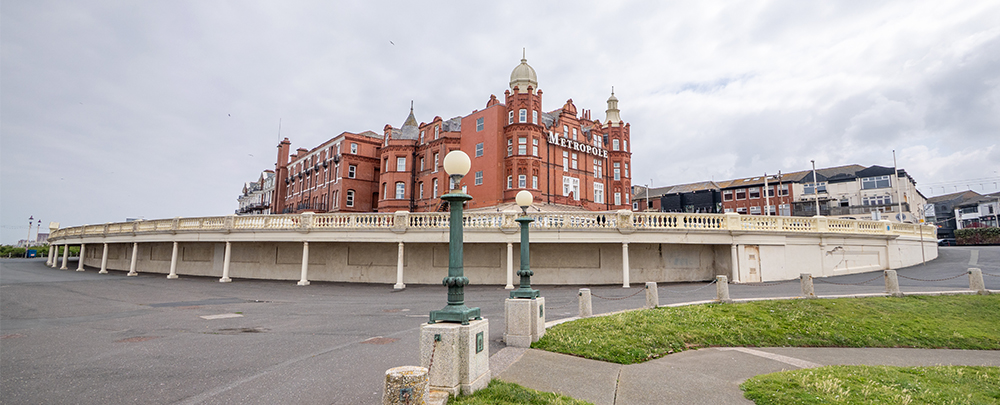
Air raid shelter beside the Metropole Hotel on Blackpool Promenade.
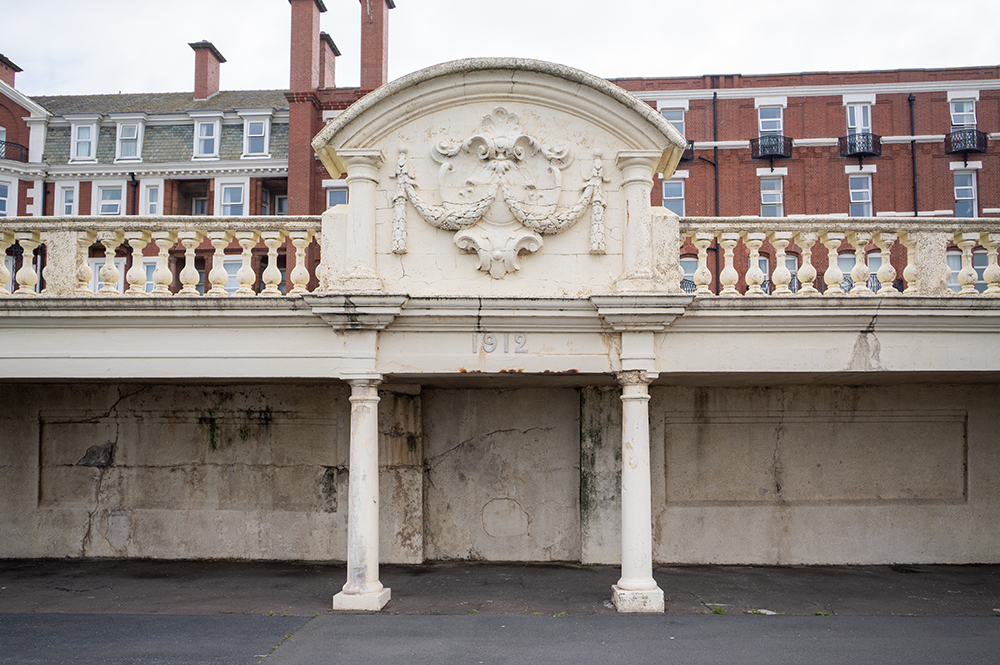
Entrance to the air raid shelter beside the Metropole Hotel on Blackpool Promenade.
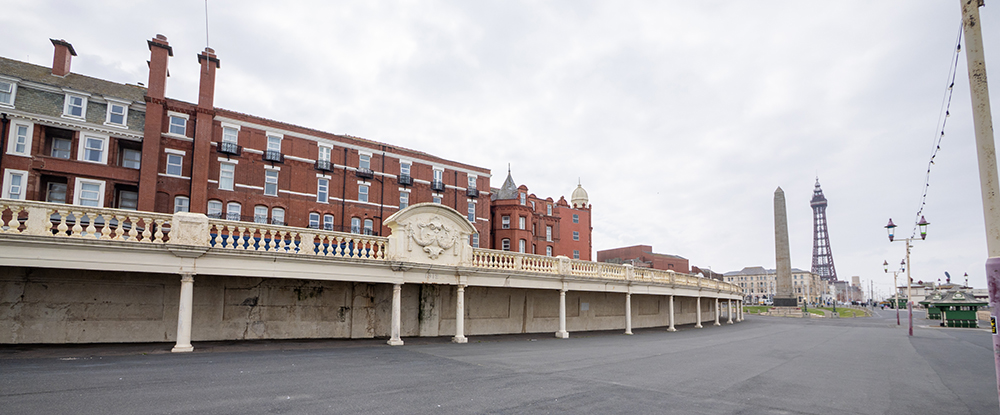
Entrance to the air raid shelter beside the Metropole Hotel, showing its proximity to the Blackpool Tower.
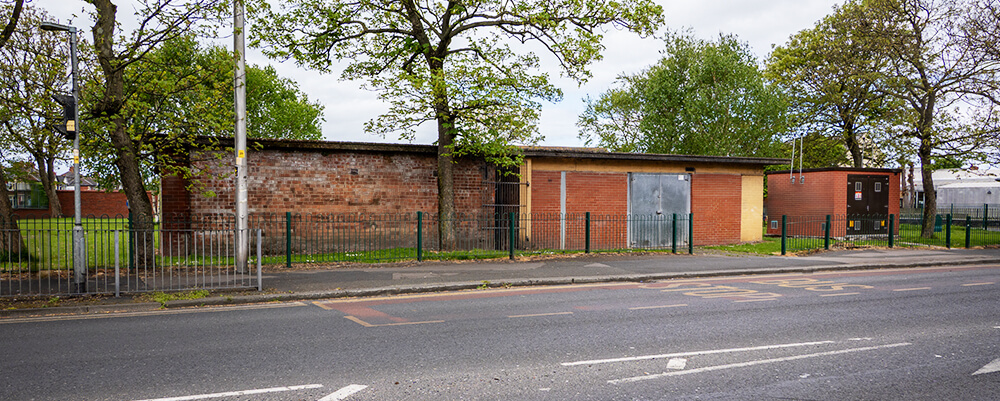
Front of the air raid shelter on Ansdell Road at junction with Waterloo Road. A sub-station can be seen to the right.
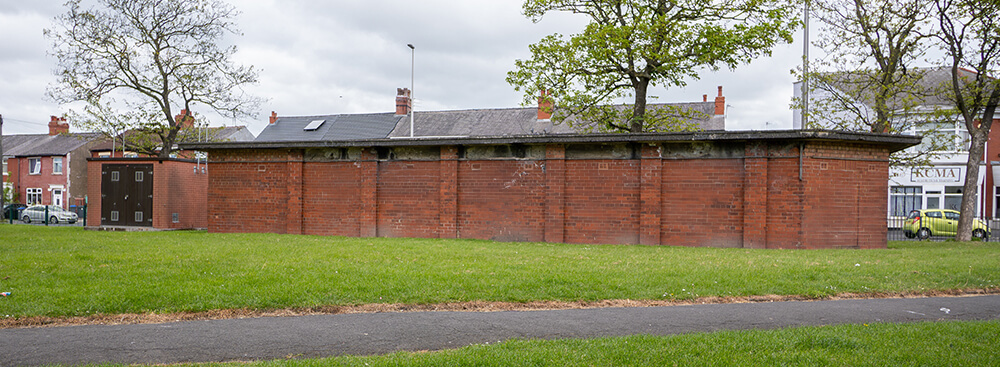
Back of the air raid shelter on Ansdell Road at junction with Waterloo Road
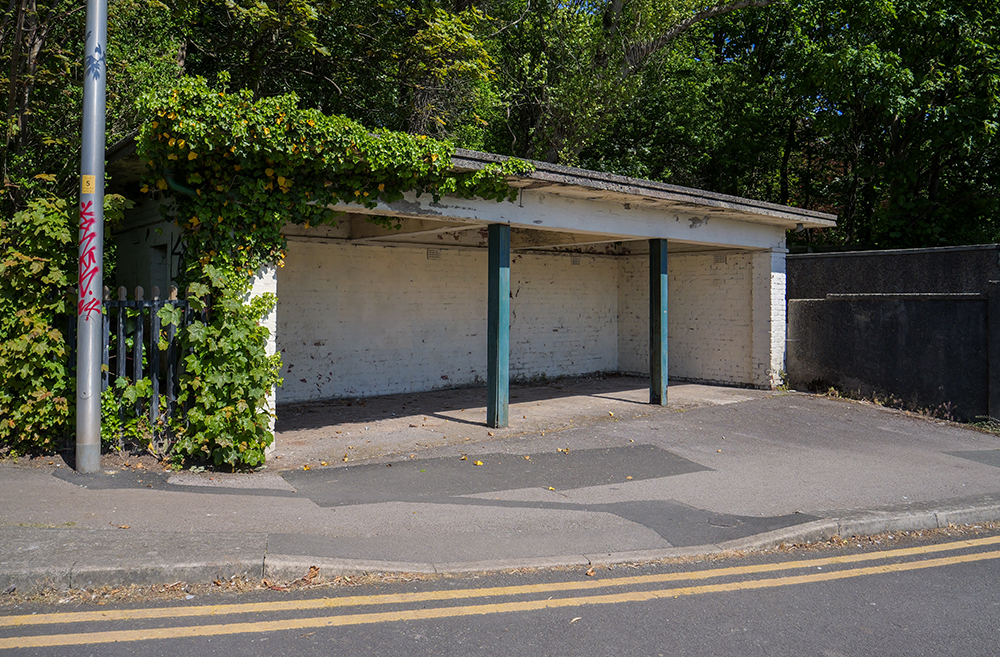
Air raid shelter to the left of the Stanley Park entrance off the West Park Drive roundabout.
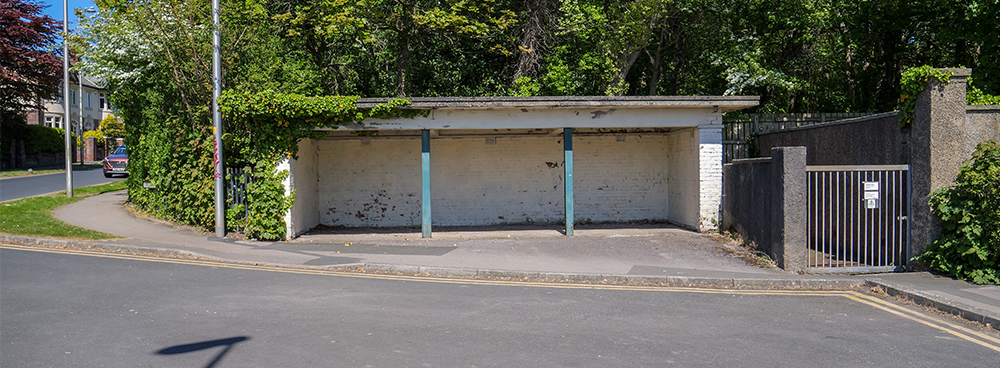
Air raid shelter to the left of the Stanley Park entrance off the West Park Drive roundabout.
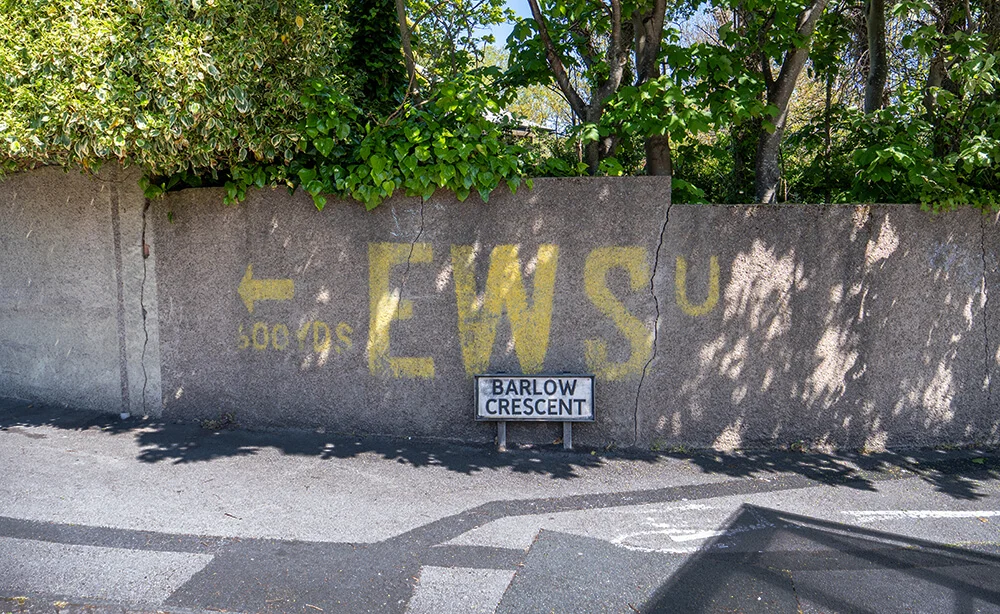
Sign-writing pointing to the Stanley Park shelter can be seen on the wall between the park and cricket ground’s entrances at Barlow Crescent.
Featured Image © Deeper Blue Marketing & Design Ltd
Background Image © Deeper Blue Marketing & Design Ltd
Text source: Google's AI Overview
Images by © Deeper Blue Marketing & Design Ltd


