







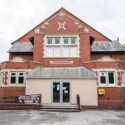












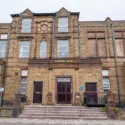









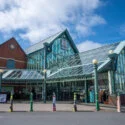


The passing of the Education Act in 1902 placed the responsibility for secondary education upon local authorities throughout England, initiating a period of educational reform that reached even the rapidly developing seaside town of Blackpool. In response to these new obligations, plans were laid to establish a secondary school that could provide structured academic instruction for the town’s growing population. By 1906, Blackpool Secondary School had opened on Raikes Parade, with playing fields situated nearby on St Walburgas Road. The building itself was a notable architectural addition to the area—solid, symmetrical, and designed to embody the civic pride of a community investing in public education. It remained in educational use until later years and continues to stand today, serving as the home of the Salvation Army, its façade still bearing the dignity of early twentieth-century institutional architecture.
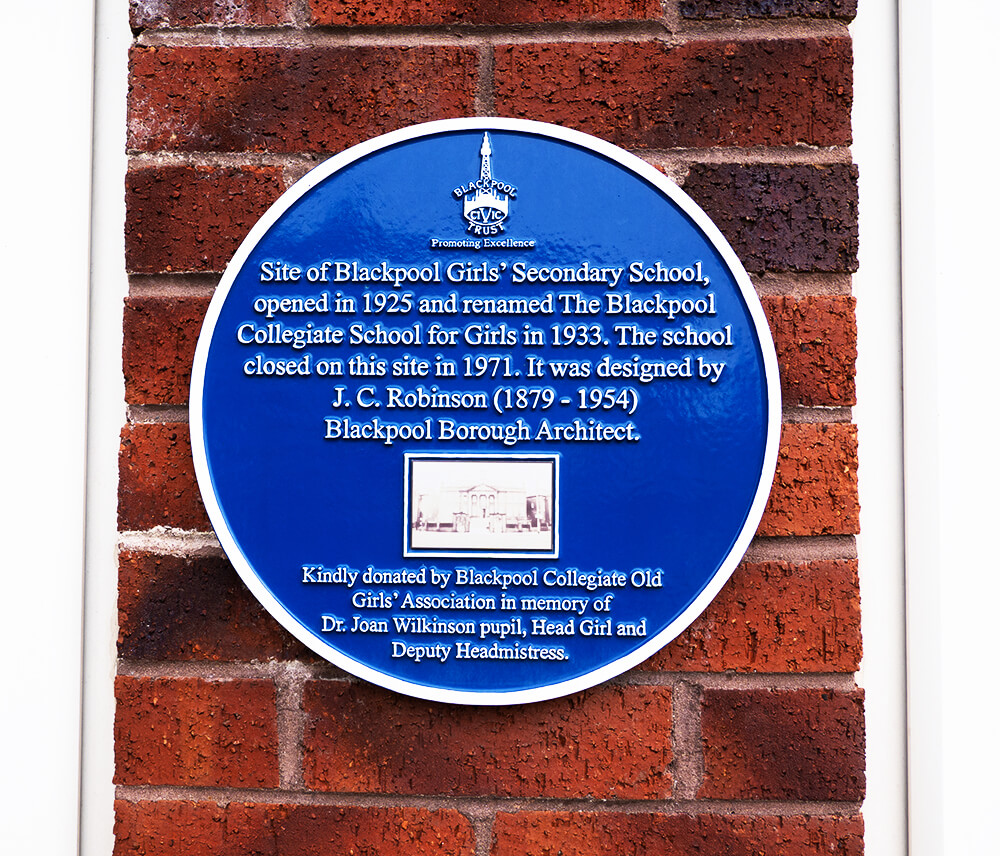
The increasing number of pupils, particularly among girls, led to further developments. In September 1925 the female students were relocated to, a newly constructed building at the junction of Beech Avenue and Forest Gate. This purpose-built establishment, titled Blackpool Girls’ Secondary School, officially opened on 23 October 1925 by Lady Stanley, marked a significant step in the advancement of girls’ education in the town. Eight years later, in 1933, it was renamed the Blackpool Collegiate School for Girls. The title was adopted in honour of the North London Collegiate School, one of the earliest and most influential institutions dedicated to the education of young women. The intention was that the new name would reflect both ambition and aspiration, providing a sense of identity and inspiration for Blackpool’s own pupils. The same year brought a corresponding change for the boys at Raikes Parade, whose school became known as Blackpool Grammar School for Boys. Its motto, Meliora Sequamur—“Let us follow better things”—expressed a similar academic ideal. Admission to both schools depended upon examination results. The Special Place Examination, funded by the local authority, granted free places to successful candidates, while the easier Fee Payers’ Examination offered entry to those able to pay. More than two-thirds of the pupils attended through the Special Place scheme, while less academically inclined students were directed to the Senior Schools, which provided a more practical education.
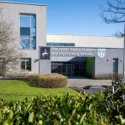
The Education Act of 1944 reshaped this structure by introducing a tripartite system that divided secondary education into Grammar, Technical and Modern streams. Fee paying was abolished, and entrance was determined by performance in the new eleven-plus examination, which channelled the most academically successful pupils into the Grammar Schools. In later decades the fortunes of the Raikes Parade site declined as educational reorganisation continued. The building became part of Tyldesley High School in 1971, reflecting the nationwide move towards comprehensive education. However, the school eventually closed and the structure was demolished in 1987. The land was sold for residential development, and the site of the former tennis courts and playing fields was later occupied by the modern Blackpool Fire Station.
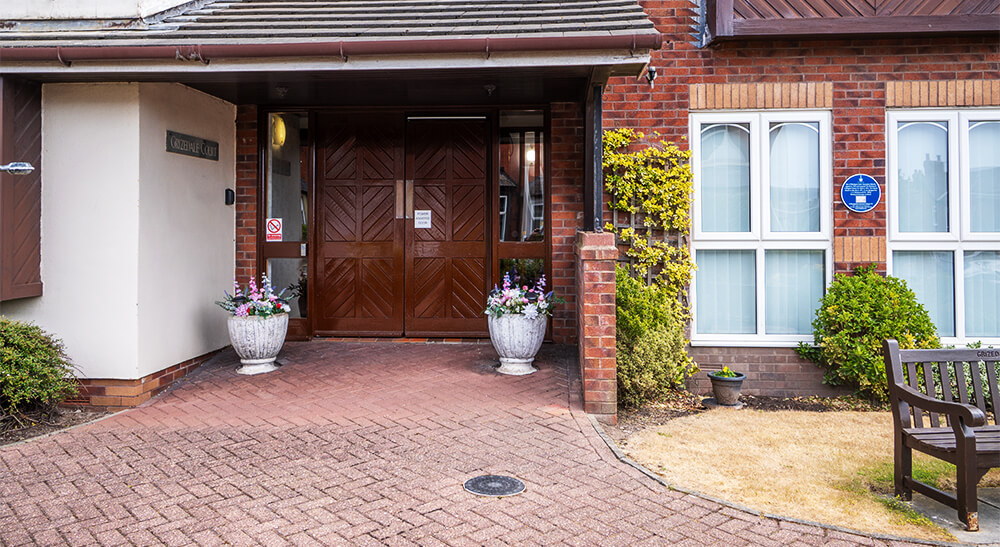
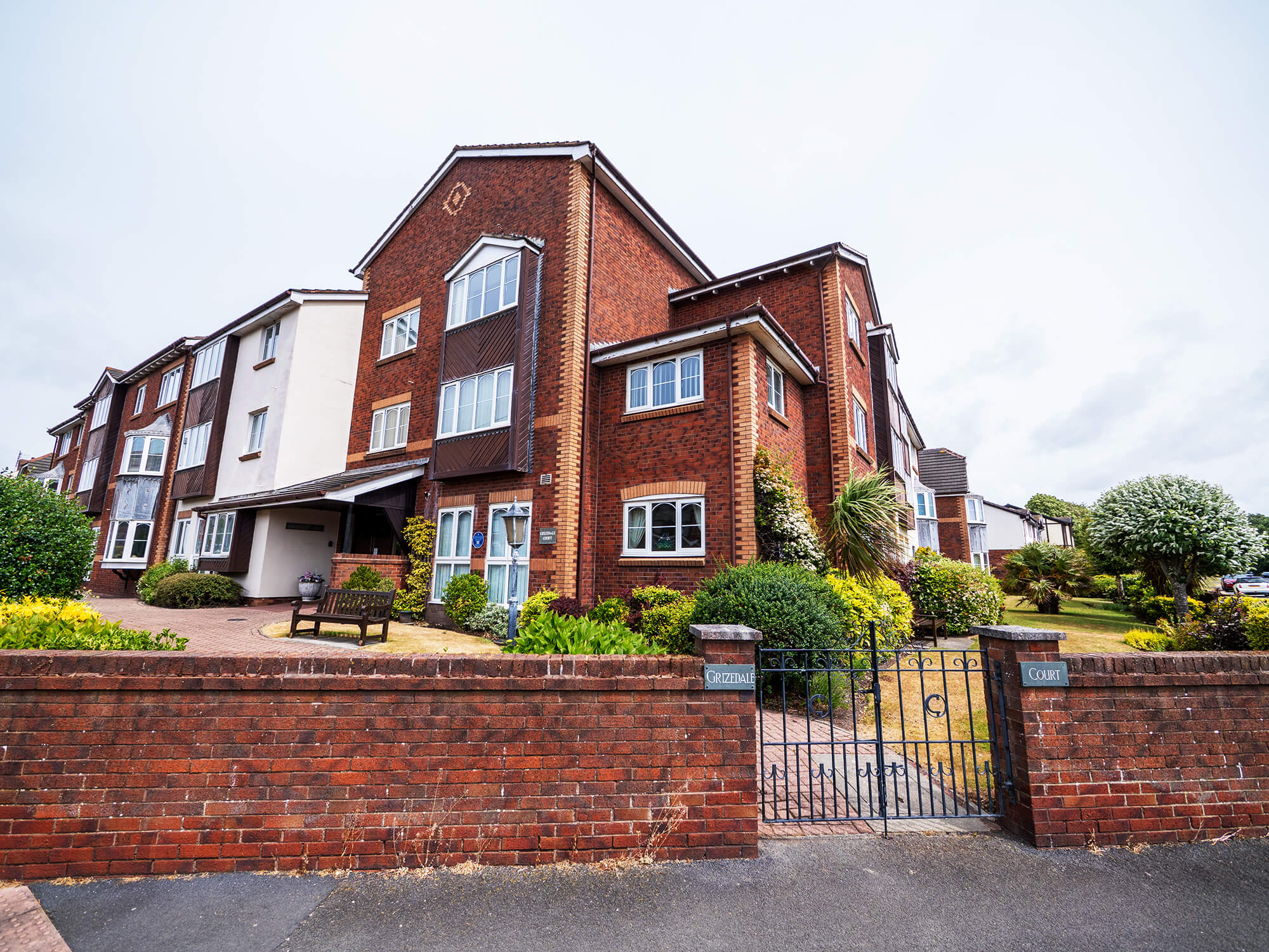
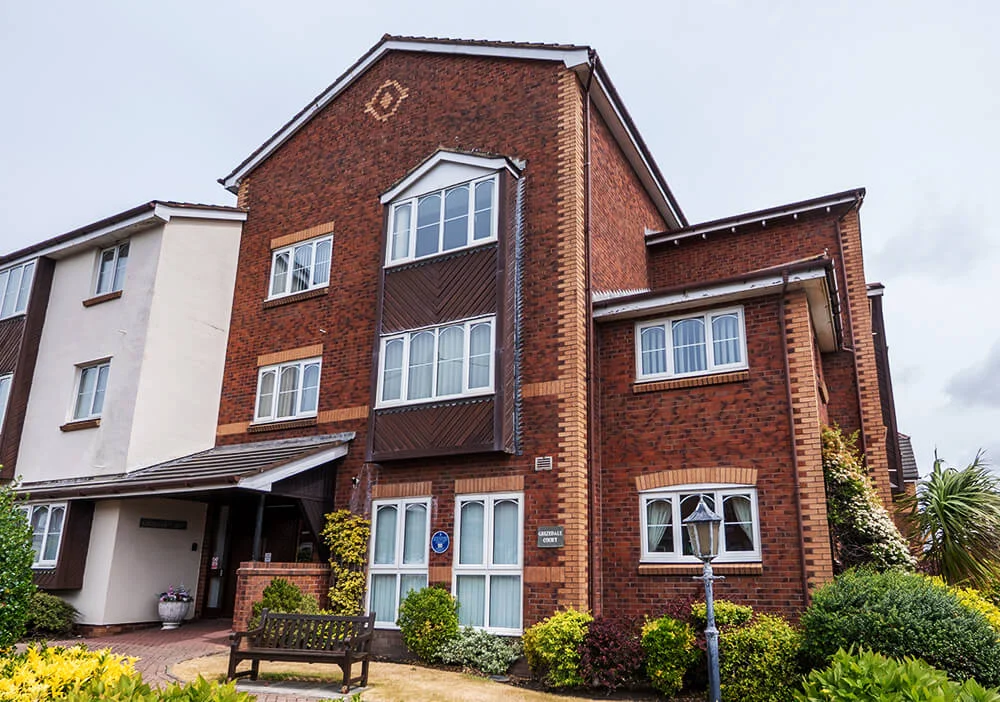
Today, no trace remains of the original school buildings. The area is now home to Grizedale Court, a contemporary block of retirement apartments. Yet beneath its foundations lie the echoes of more than eighty years of educational history—an enduring reminder of Blackpool’s evolution from a provincial resort into a town with serious civic and academic ambitions.
Text source: Collegiate High School'swebsite
Images by © Deeper Blue Marketing & Design Ltd


