


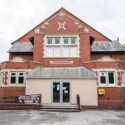
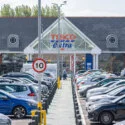
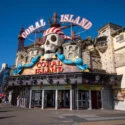
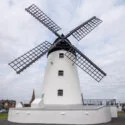
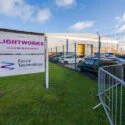
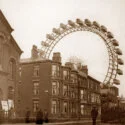
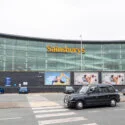


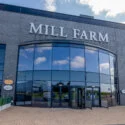

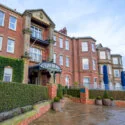


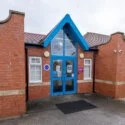
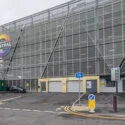
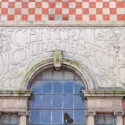

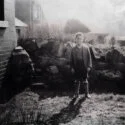

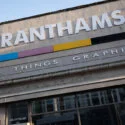


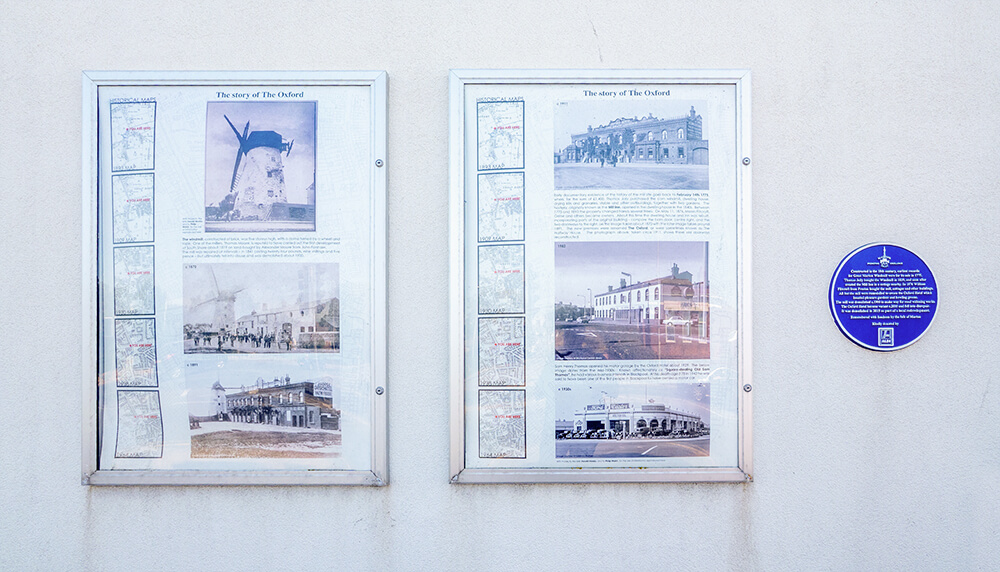
Much of the information below came from the late Harold Monks and Philip Walsh, which is featured on the display boards facing Park Road at what was once known as Oxford Square.
© Deeper Blue Marketing & Design Ltd
© Deeper Blue Marketing & Design Ltd
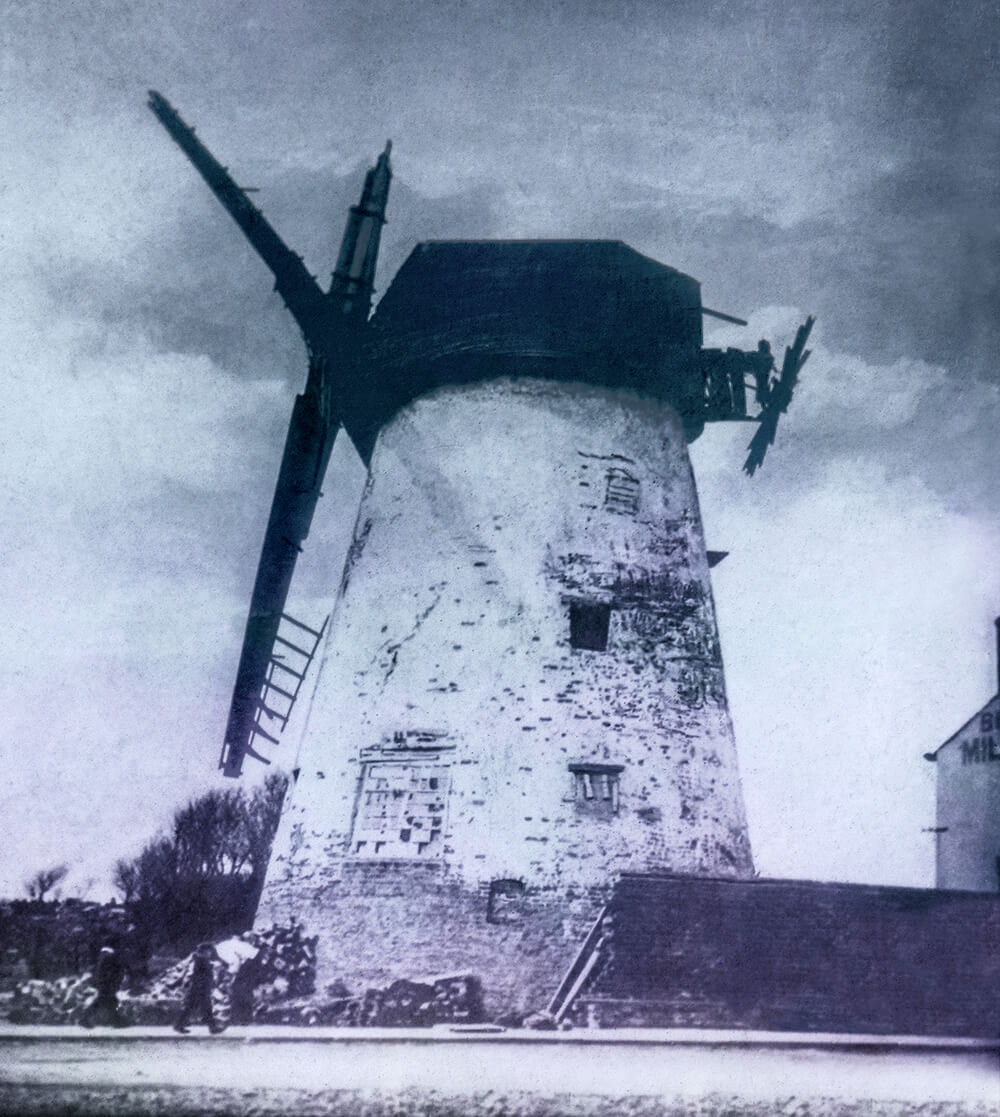
© Blackpool Central Library
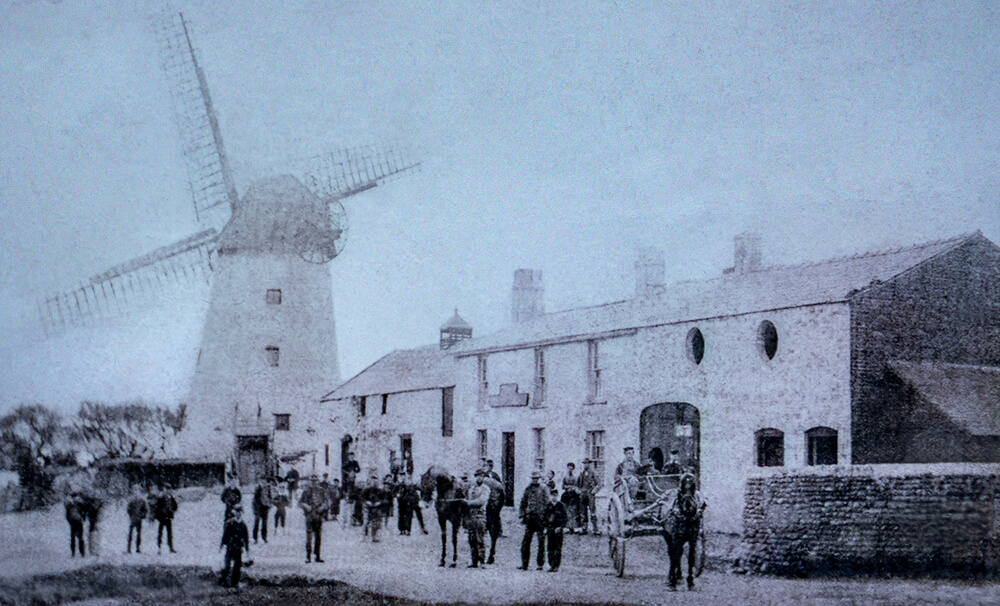
Circa 1870 © Philip Walsh
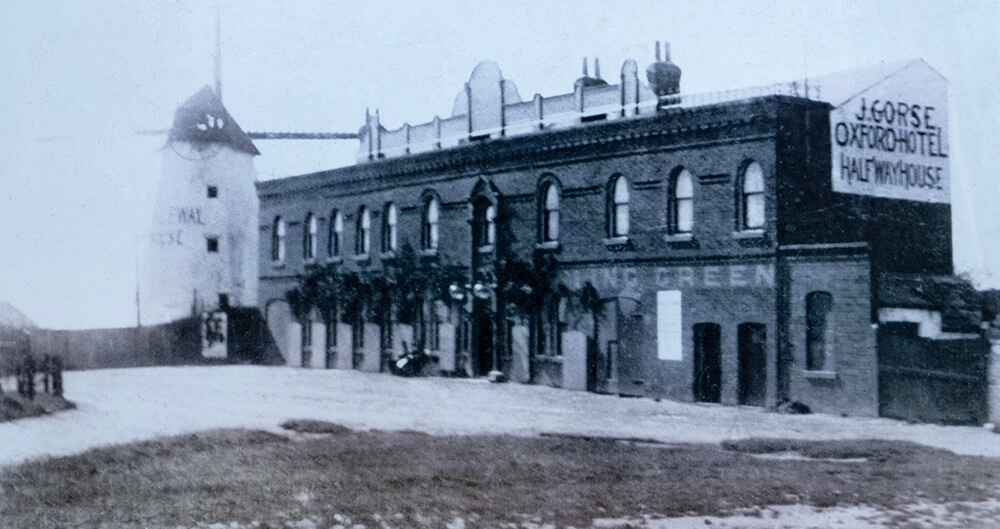
Circa 1891 © Blackpool Central Library
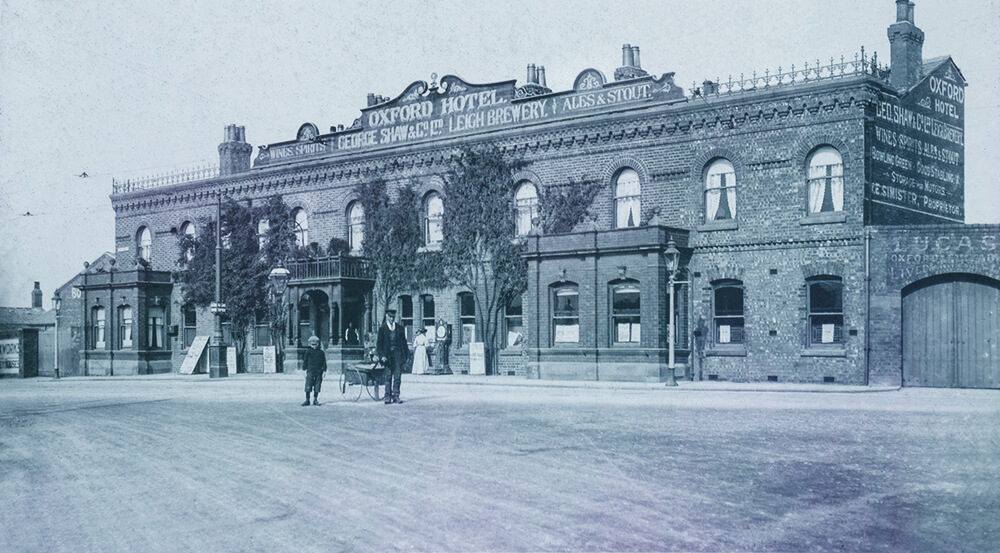
Circa 1911 © Blackpool & Fylde Historical Society
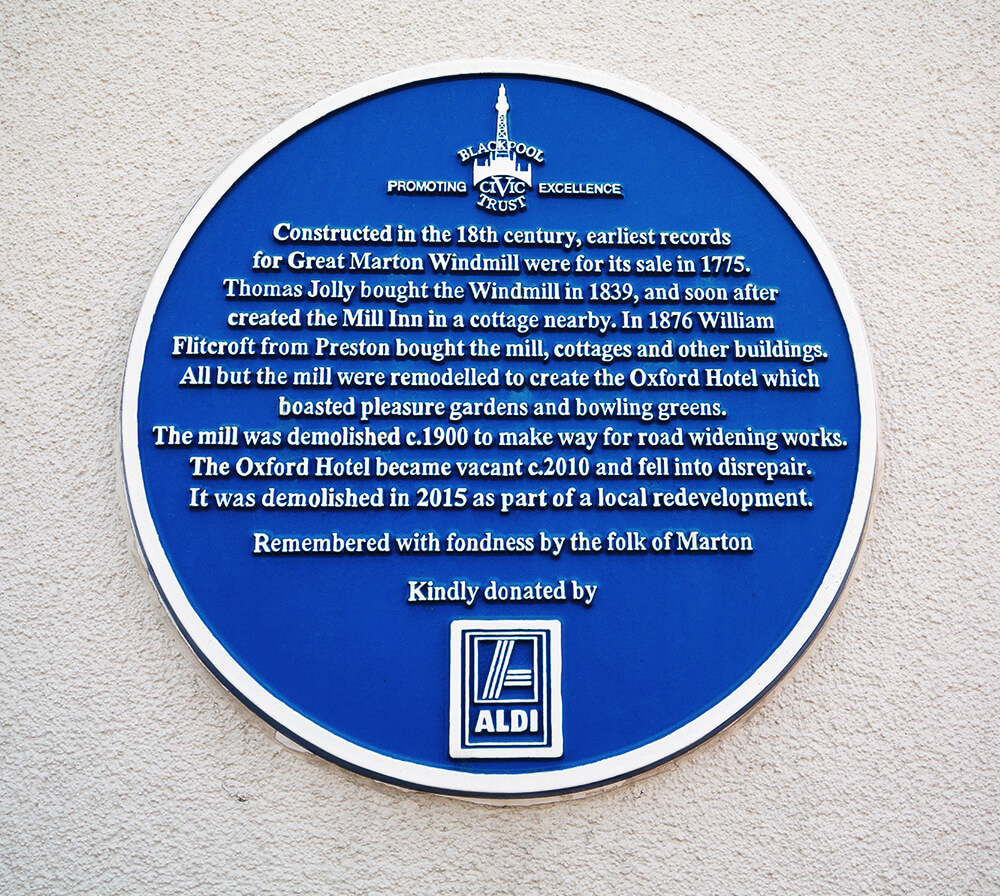
Documentary evidence tracing the history of the mill site extends back to 14 February 1775, when Thomas Jolly purchased the property for the sum of one thousand four hundred pounds. The sale included a corn windmill together with a dwelling house, drying kiln, granaries, stables, and associated outbuildings, as well as two gardens. This acquisition marked the earliest recorded ownership of the site, which at that time functioned primarily as an agricultural and milling enterprise serving the surrounding rural district. By the 1840s the dwelling house had been adapted for use as a hostelry, opening under the name the Mill Inn. Throughout the nineteenth century the property changed ownership several times, reflecting the growing value of the land as the Blackpool area expanded. On 11 May 1876 ownership passed to Messrs Flitcroft, Grime and others, who undertook a significant redevelopment of the premises. During this period the house and adjoining inn were rebuilt, though elements of the original eighteenth-century structure were retained. Contemporary photographs reveal architectural continuity between the two versions of the building—most notably the position of the barn door at centre right and two adjoining doorways visible in an image taken around 1870, features that reappeared in a later view dating from approximately 1891.
Following its reconstruction the establishment was renamed the Oxford, though it was also locally referred to as the Halfway House, a title reflecting its position between the developing districts of Blackpool and St Anne’s. A further photograph taken (above) circa 1911 shows the same distinctive doorways rebuilt into the newer frontage, preserving traces of the original mill house within the evolving structure. The Oxford, born from a working mill and its associated farmhouse, thus embodied the transformation of the Fylde landscape from agricultural to leisure use, its fabric recording successive phases of local enterprise over more than a century of change.
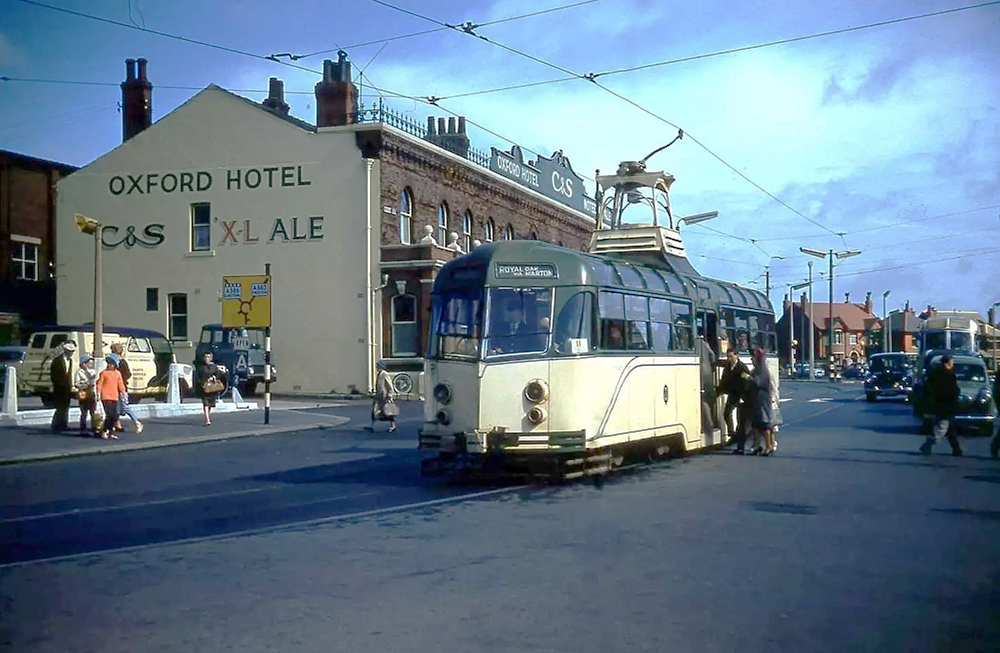
Provided by Steve Gomersall
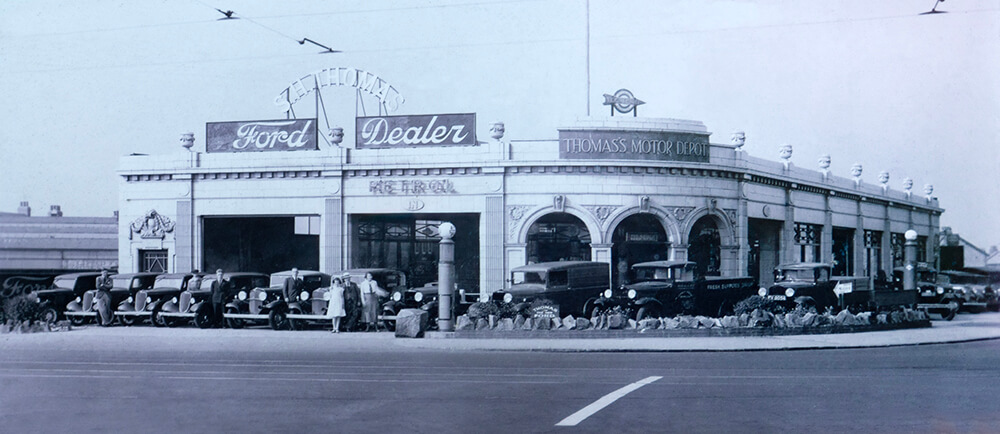
Circa 1930s © Saidman Brothers
Around 1929, Sam Henry Thomas established a motor garage adjacent to the Oxford Hotel, marking the beginning of a new phase in the site’s long history. The accompanying image below, believed to date from the mid-1930s, captures the garage during a period when private motoring was becoming increasingly popular across Britain. Thomas, widely known by his affectionate nickname “Square-dealing Old Sam Thomas,” earned a local reputation for integrity and enterprise. Over the years he developed a range of business interests in Blackpool, contributing to the town’s growing association with modern transport and leisure. By the time of his death in 1942, at the age of seventy-eight, he was remembered as one of the earliest residents of Blackpool to have owned a motor car—a distinction that linked him directly to the town’s transition from a Victorian resort to a modern seaside destination.
His garage by the Oxford Hotel stood as both a practical service for the increasing number of motorists visiting the area and a symbol of the new age of mobility that defined the interwar years on the Fylde Coast.
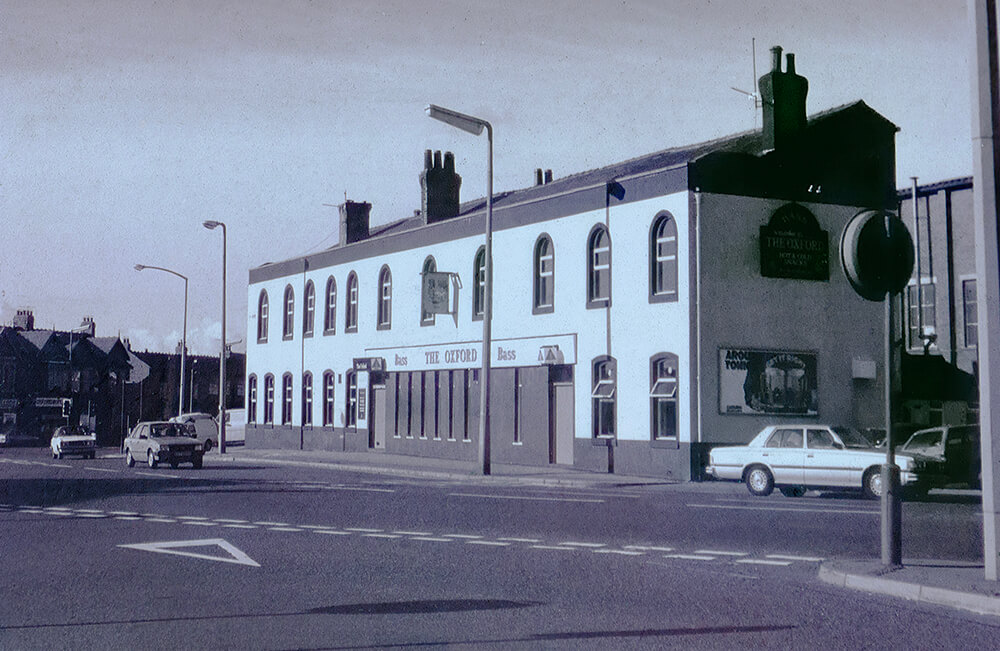
1982 © Blackpool Central Library
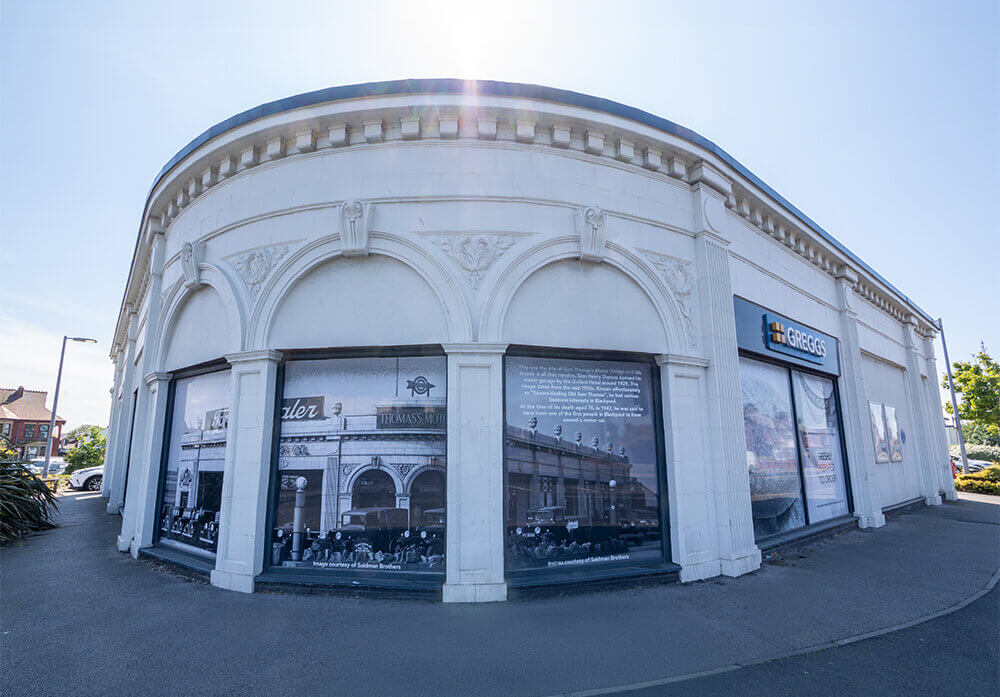
© Deeper Blue Marketing & Design Ltd
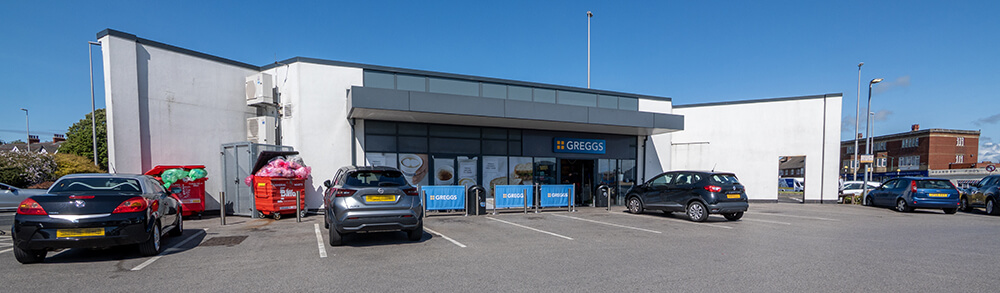
© Deeper Blue Marketing & Design Ltd
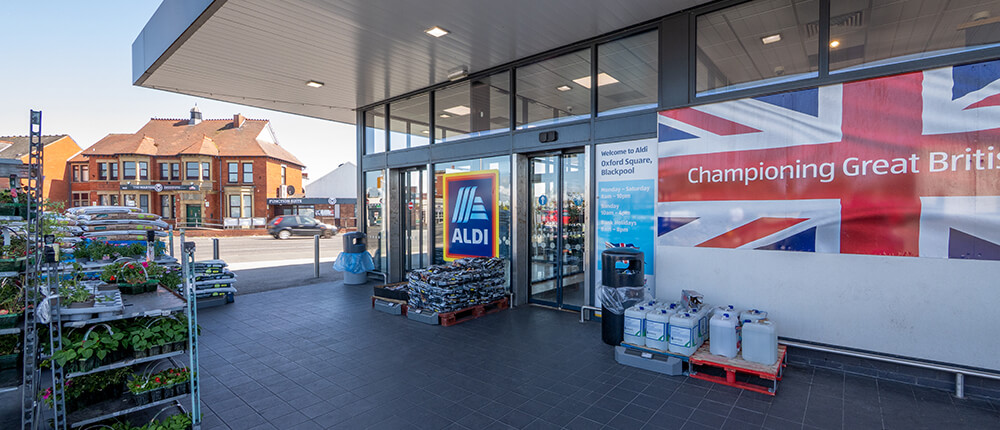
© Deeper Blue Marketing & Design Ltd
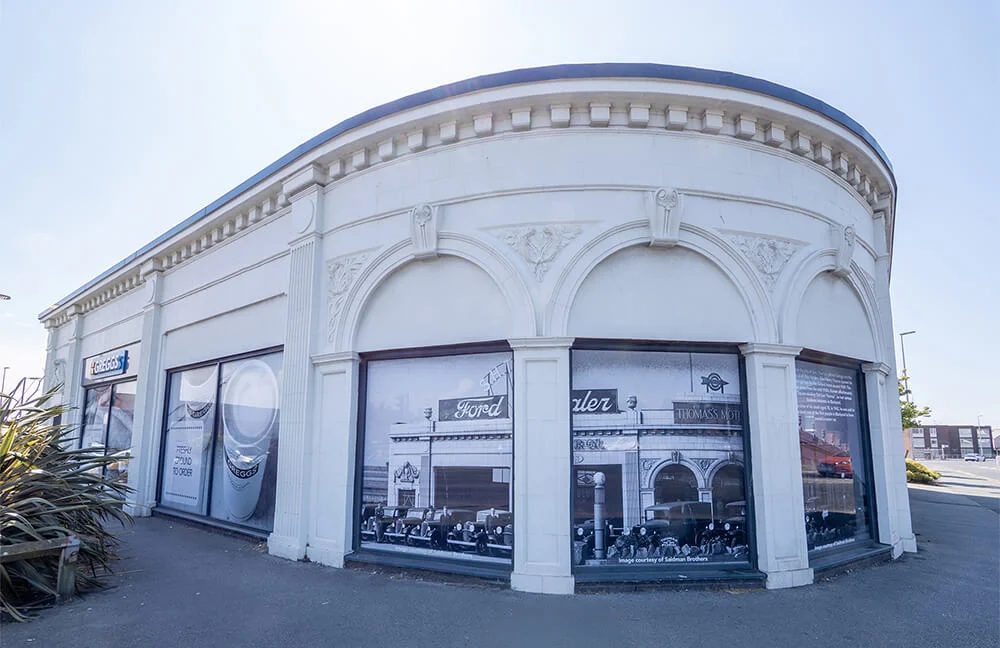
© Deeper Blue Marketing & Design Ltd
Featured Image © Deeper Blue Marketing & Design Ltd
Additional Images © Blackpool Central Library, Saidman Brothers, Philip Walsh and Blackpool & Fylde Historical Society
Background Image © Deeper Blue Marketing & Design Ltd


