


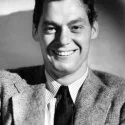













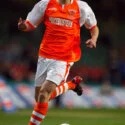



Alan James Ball MBE, born in Farnworth, Lancashire, on 12 May 1945, was one of England’s most dynamic midfielders and a key figure in the 1966 World Cup-winning team. His long and distinguished football career, however, began on the Fylde Coast with Blackpool Football Club, where he made his professional debut at the age of seventeen in 1962.
After early rejections from Wolverhampton Wanderers and Bolton Wanderers, Ball’s father arranged a trial for him at Blackpool, where his energy, skill, and determination quickly impressed. Signed as an apprentice and then as a professional in May 1962, he made his League debut that August against Liverpool, becoming Blackpool’s youngest-ever debutant. During his early years at Bloomfield Road, his performances were a revelation. His energy and commitment helped to secure Blackpool’s First Division status at a time when the club was struggling to maintain its top-flight position. On 21 November 1964, he scored his first professional hat-trick in a 3–3 draw with Fulham, confirming his growing reputation.
Ball’s excellence at Blackpool brought him national attention, leading to his transfer to Everton in 1966 for £112,000, only months before he helped England to victory in the World Cup. Yet, for many on the Fylde Coast, he remained the young local hero whose flair and industry symbolised the promise of post-war football.
Nearly two decades later, in 1980, Ball returned to Bloomfield Road as player-manager following his North American Soccer League success with Vancouver Whitecaps. His appointment generated considerable optimism among supporters eager to see a revival of Blackpool’s fortunes. Despite his determination and charisma, his tenure proved difficult. The club’s decline continued, and after a series of poor results and growing tension with both the board and fans, his contract was terminated in February 1981. Blackpool were relegated at the end of that season.
Reflecting years later, Ball admitted that his inexperience as a manager had made the role harder than anticipated, acknowledging that he had underestimated the challenges of combining playing and management. Despite this, his return to Blackpool is still remembered for the passion and loyalty he brought to the club that had given him his professional start.
Alan Ball went on to manage several top-flight teams, including Portsmouth, Southampton and Manchester City, before his death on 25 April 2007. Inducted into the English Football Hall of Fame in 2003, his story remains intertwined with Blackpool’s sporting heritage—an emblem of the town’s deep connection to the golden age of English football.
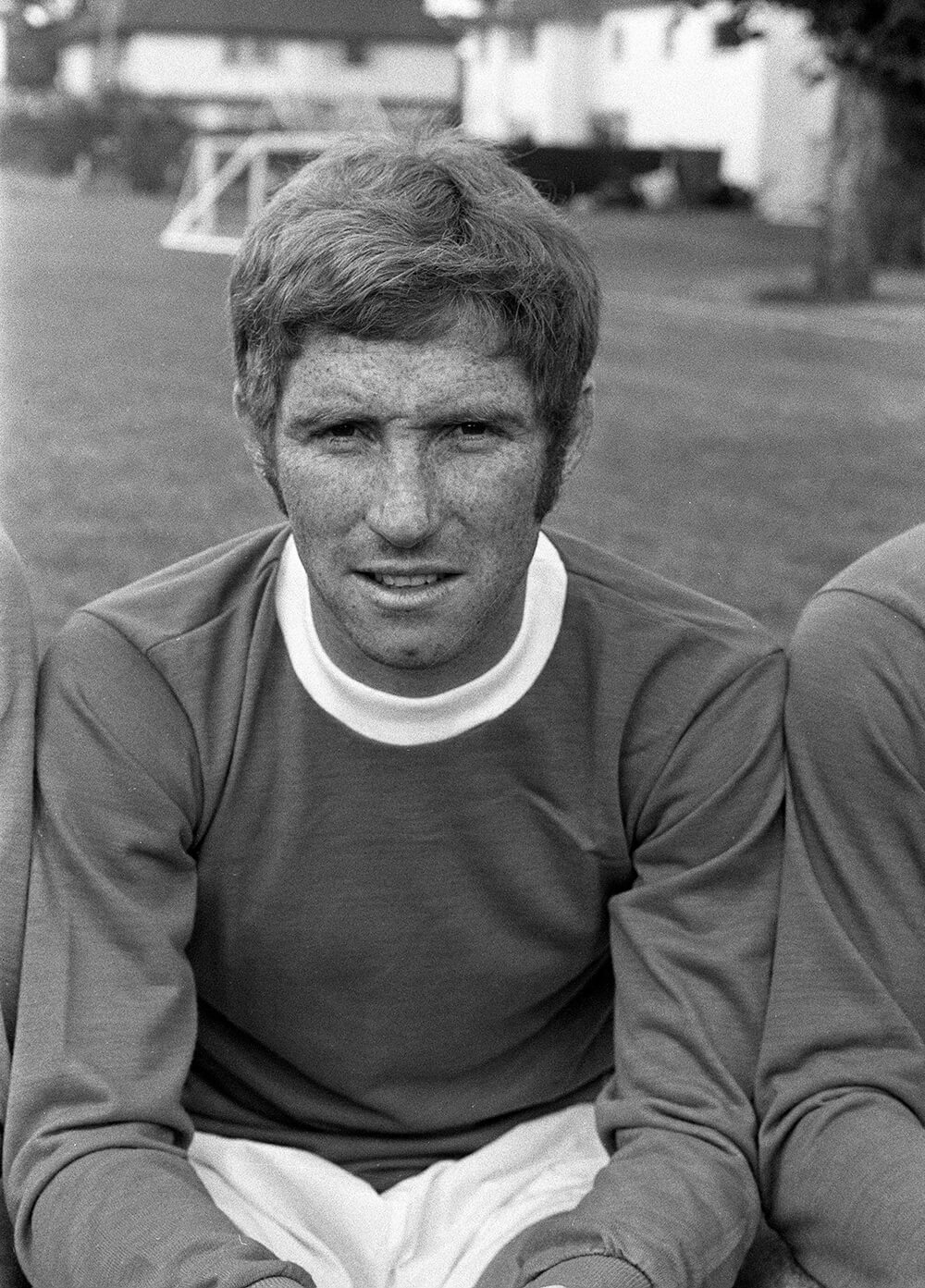
It was as a teenager with Blackpool that Alan won his first England cap. Two months after playing in the World up Final at Wembley he was transferred to Everton. He made ober 30 England appearances. 5 January 1970.
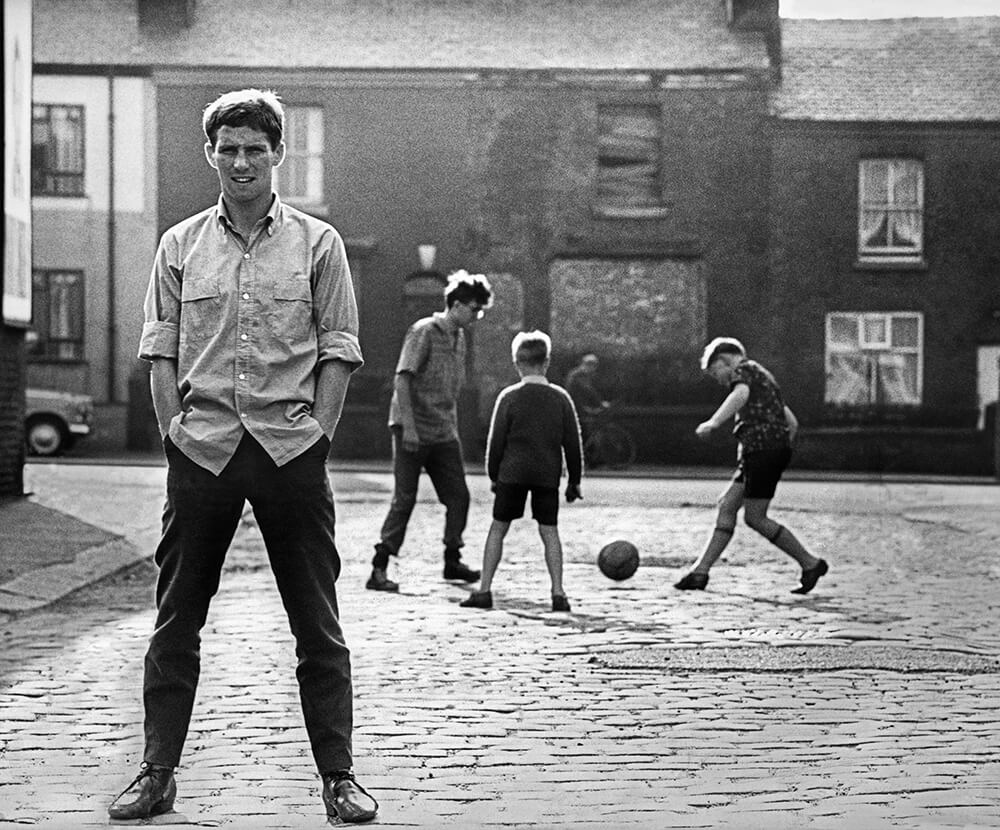
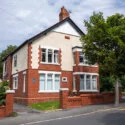
Blackpool and England footballer Alan Ball, part of the 1966 England squad, pictured in the street where his parents live in Walkden, Lancashire, 1st May 1966.
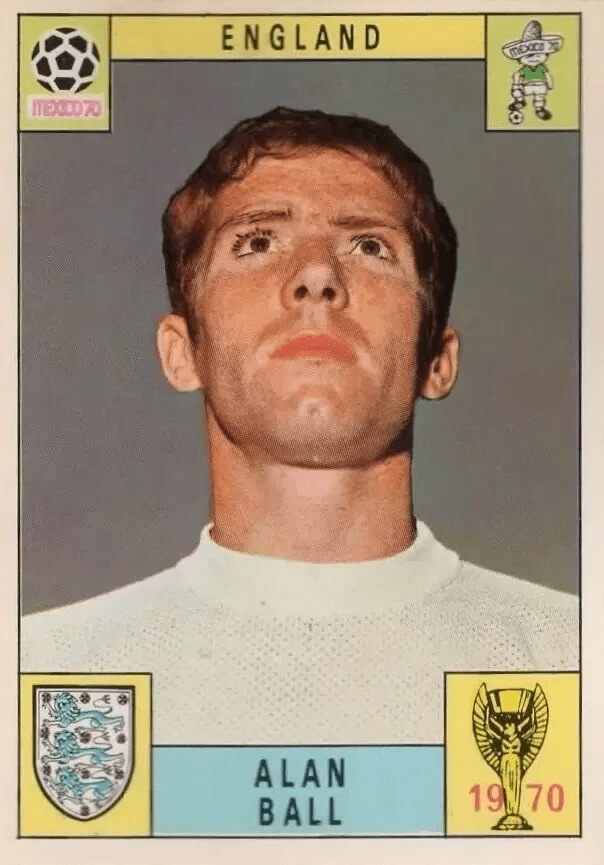
Ball’s trading card from the Mexico 70 series issued by Panini. Image: Public Domain
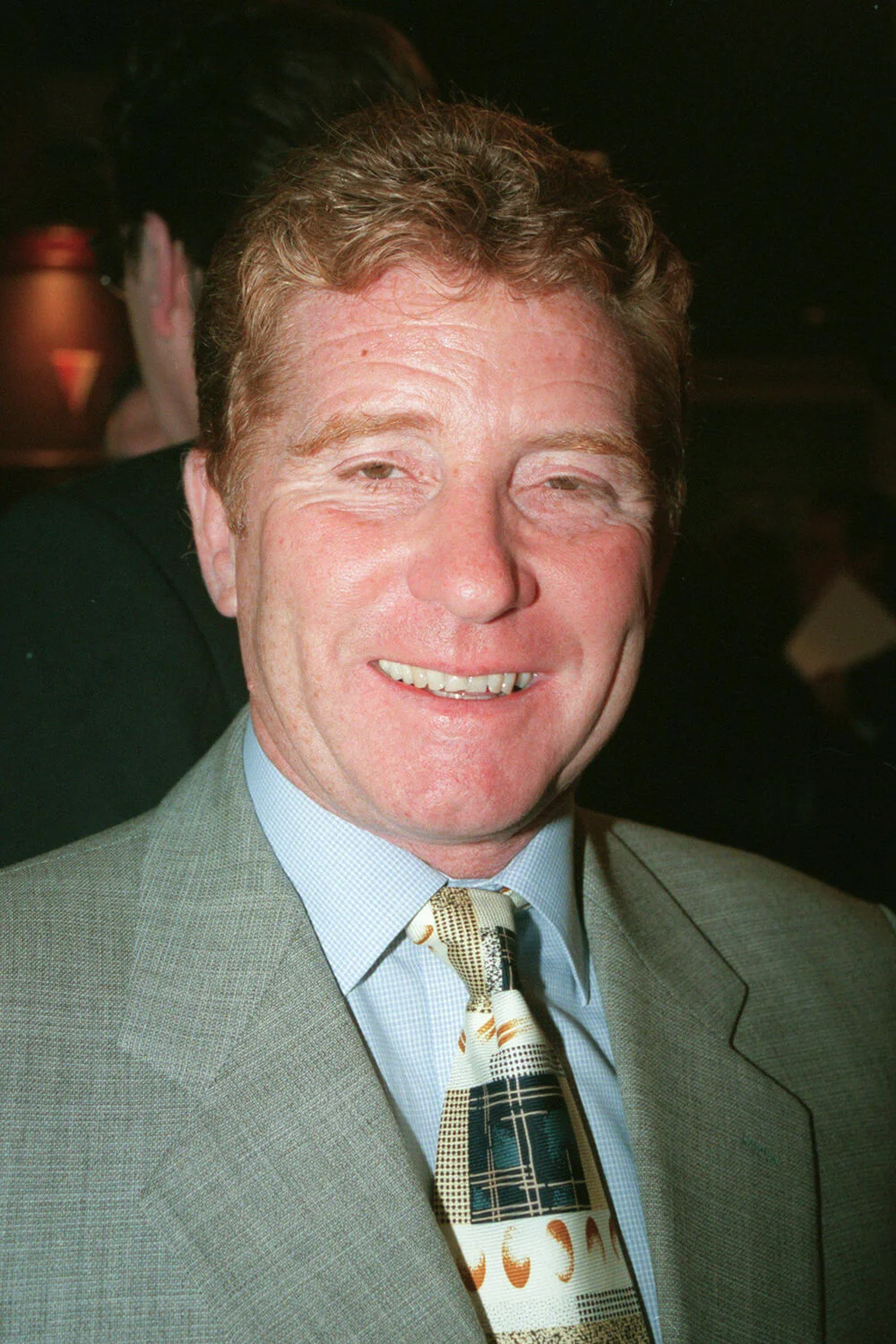
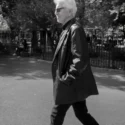
International Football Legends attend the Announcement of the first entrants to the International Football Hall of Fame. 27 November 1997.


