





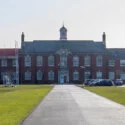


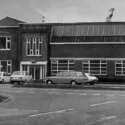








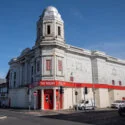





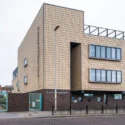




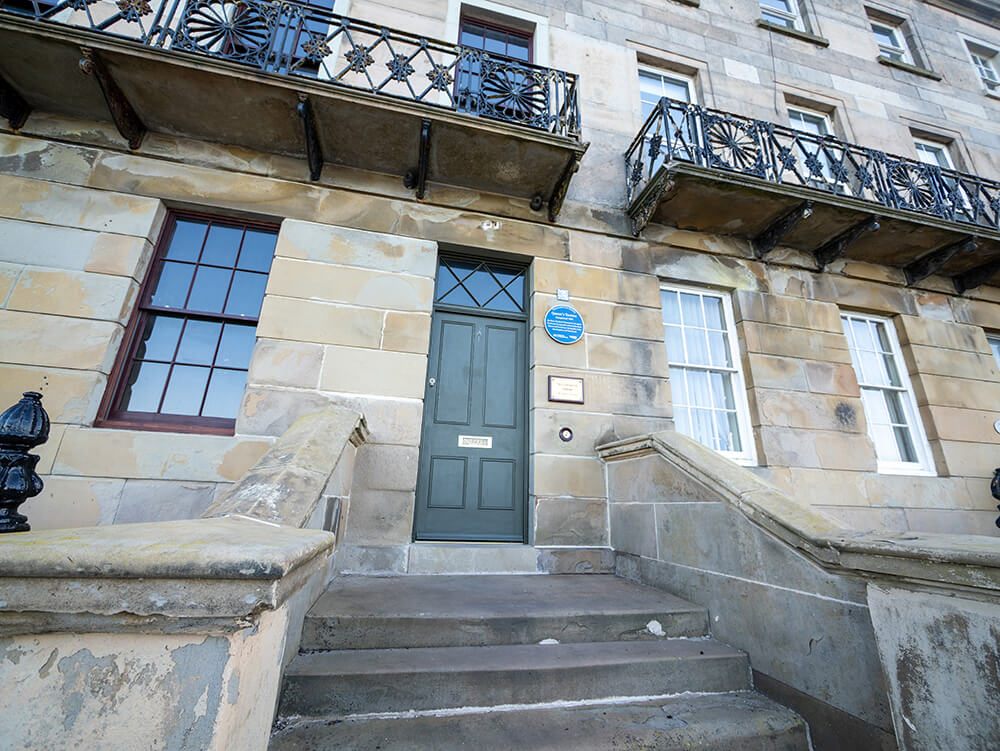
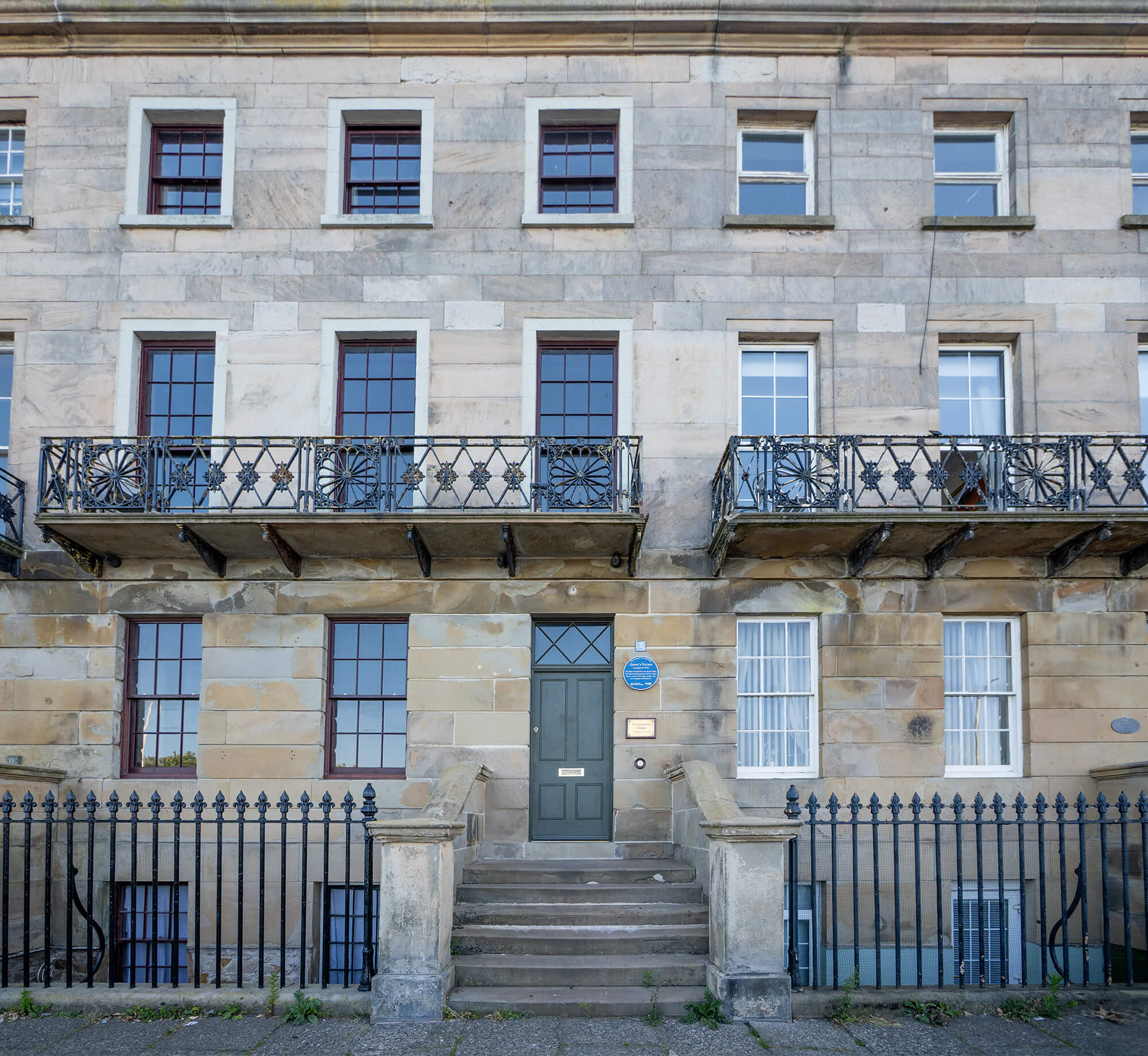
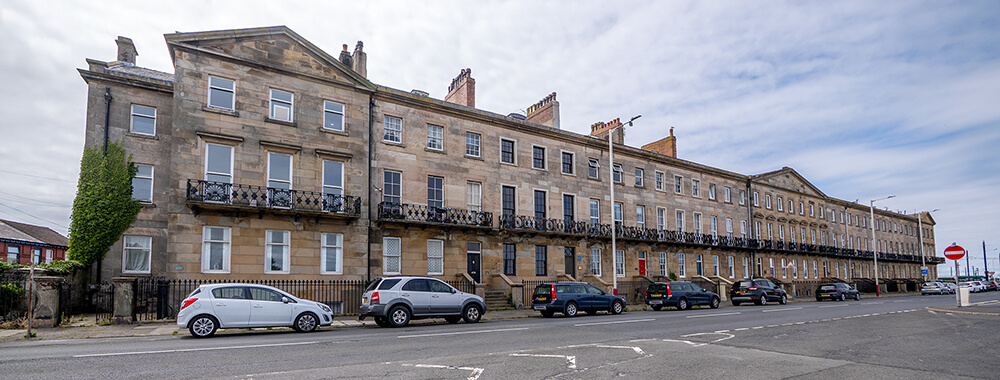
Queen’s Terrace in Fleetwood, completed in 1848, is an elegant row of historic houses designed by the renowned architect Decimus Burton as part of his master plan for the new Victorian seaside town. Originally known as Burton’s Houses, the terrace was renamed in 1847 to commemorate Queen Victoria’s visit to Fleetwood. The terrace stands today as one of the finest surviving examples of English Classical architecture in the North West.
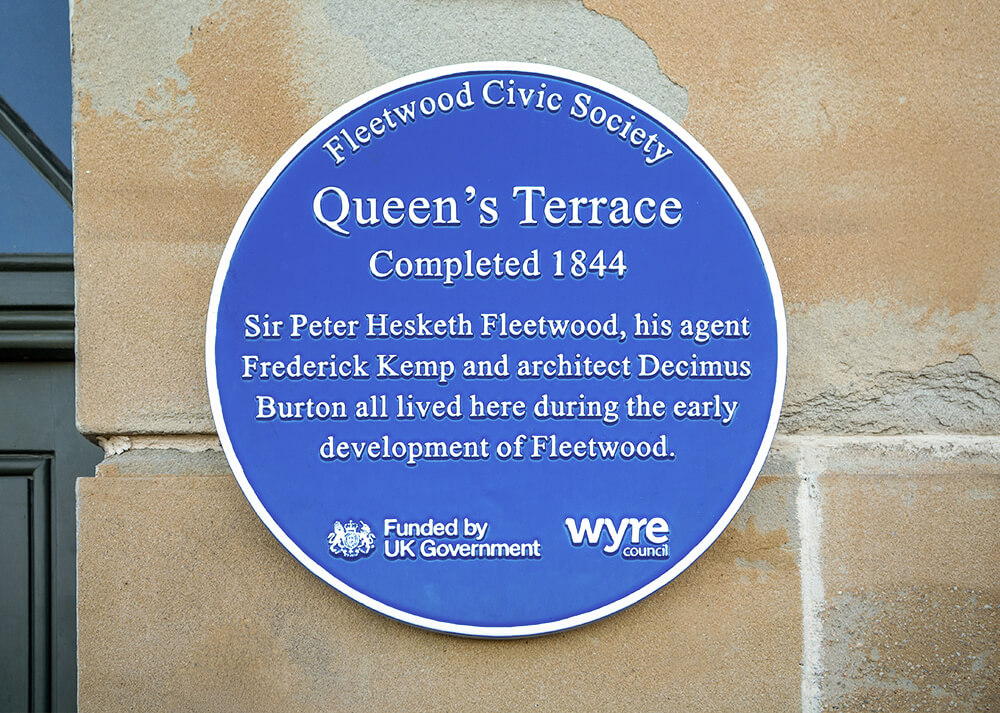
Constructed from stone with slate roofs and tall sash windows, the terrace was built to attract affluent visitors who rented the homes for summer stays by the sea. Its graceful symmetry and refined proportions reflect Burton’s architectural vision, which combined practicality with classical beauty. Among the early residents were Sir Peter Hesketh-Fleetwood, founder of the town; his agent Frederick Kemp; architect Decimus Burton himself; and businessman John Abel Smith, one of the original investors in Fleetwood’s development.
Throughout its history, Queen’s Terrace has served a variety of roles beyond private residences. The buildings have housed a private school, a hospital, and business offices for key local enterprises such as the North Lancashire Steam Navigation Company and the North Western Railway. During World War II, several of the houses were used as foreign consulates, including for the Netherlands.
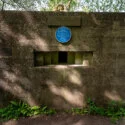
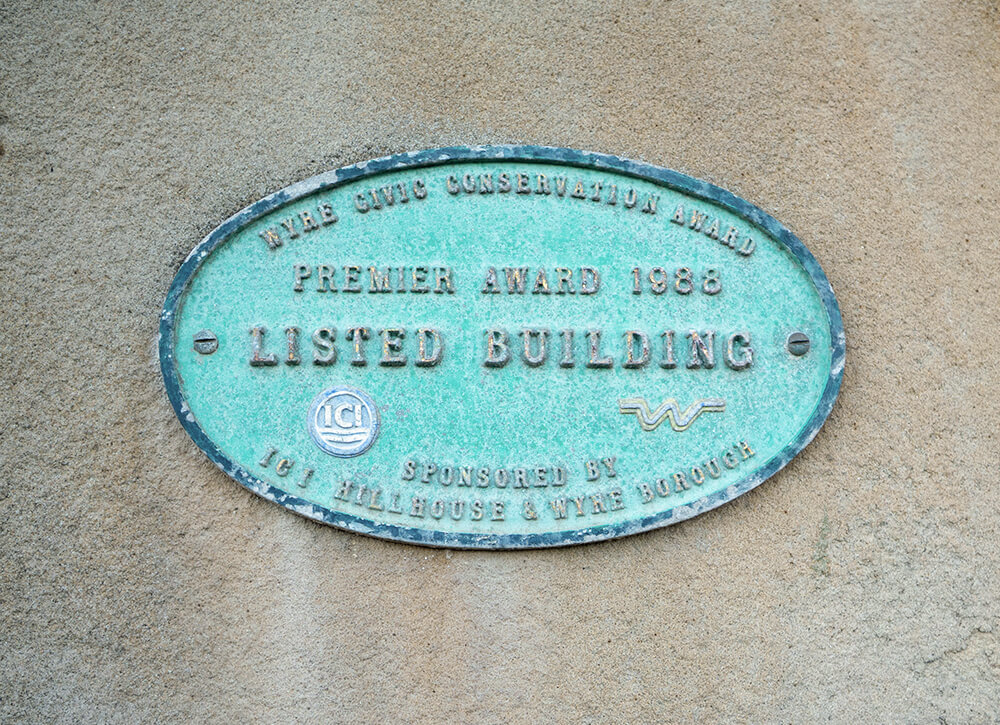
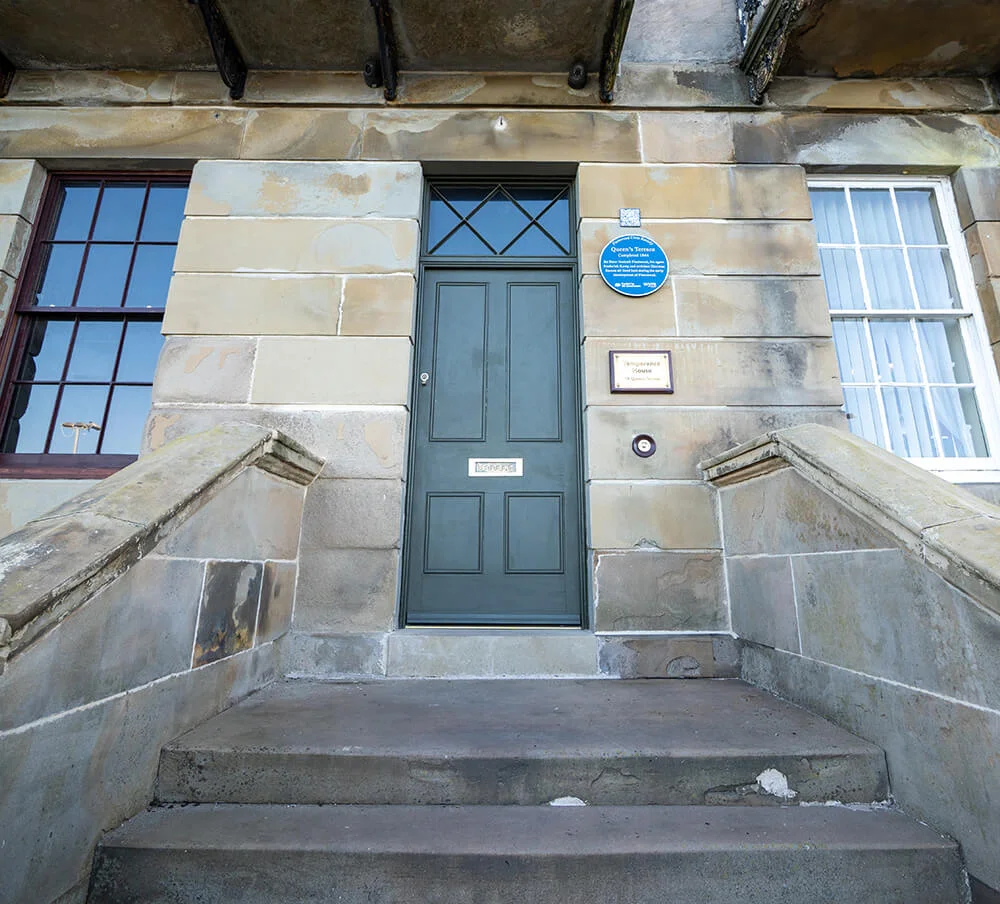
The former Custom House, located within Queen’s Terrace, later became Fleetwood’s Town Hall and now serves as the home of Fleetwood Museum. The museum preserves the town’s maritime and social history, including Burton’s original plans and artefacts from Fleetwood’s development as a 19th-century port. Recognised for its architectural and historical importance, Queen’s Terrace is marked with a blue plaque honouring its role in shaping Fleetwood’s early identity.
Images by © Deeper Blue Marketing & Design Ltd


