



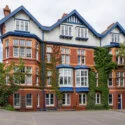









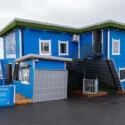




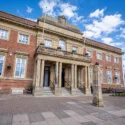






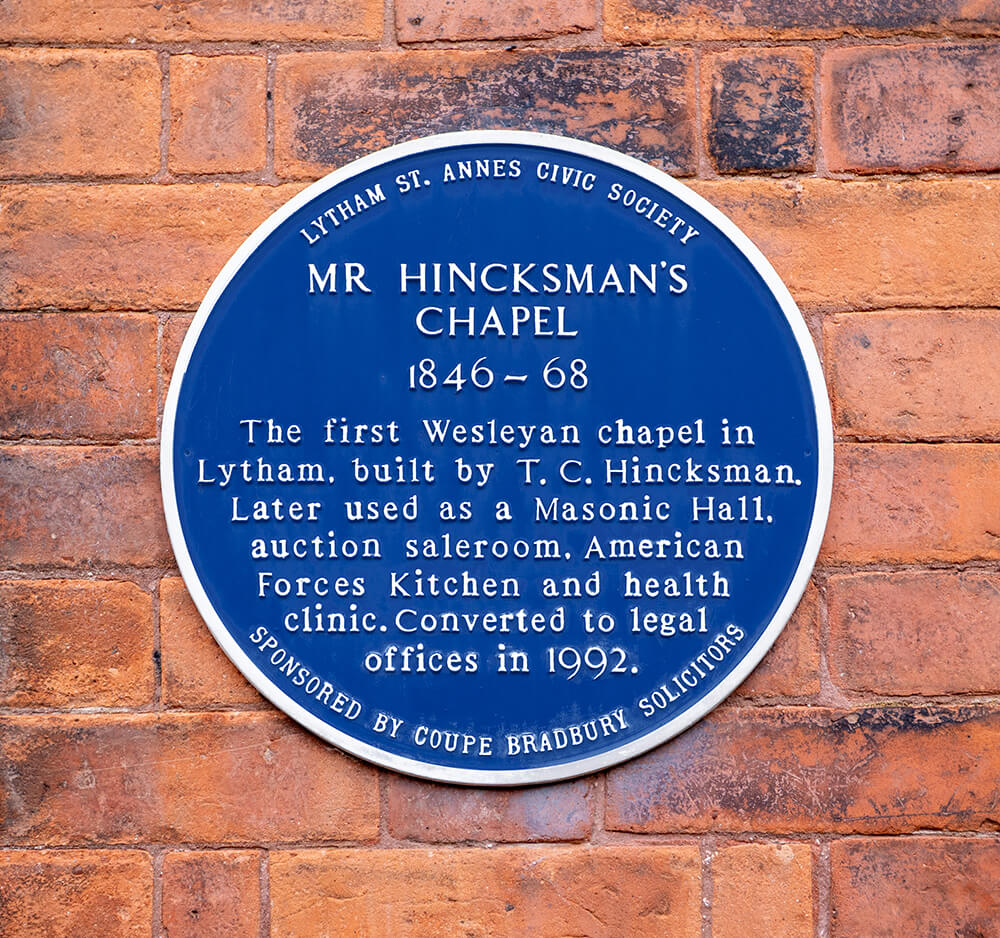
Mr. Hincksman’s Chapel, later known as Bath Street Methodist Church, was the first Wesleyan chapel built in Lytham, marking the beginning of Methodism in what had previously been a predominantly Catholic community. Constructed in 1846 and opened the following year, the chapel was funded largely by Thomas Crouch Hincksman, a cotton spinner from Preston who played a key role in establishing Methodist worship in the town.
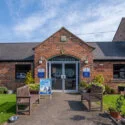
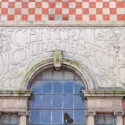
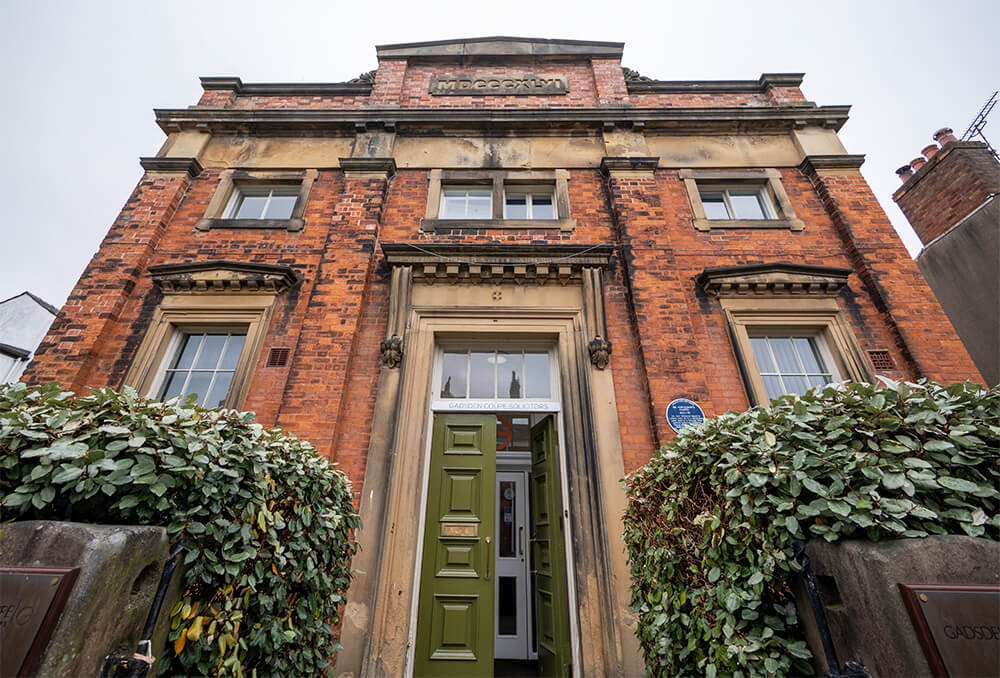
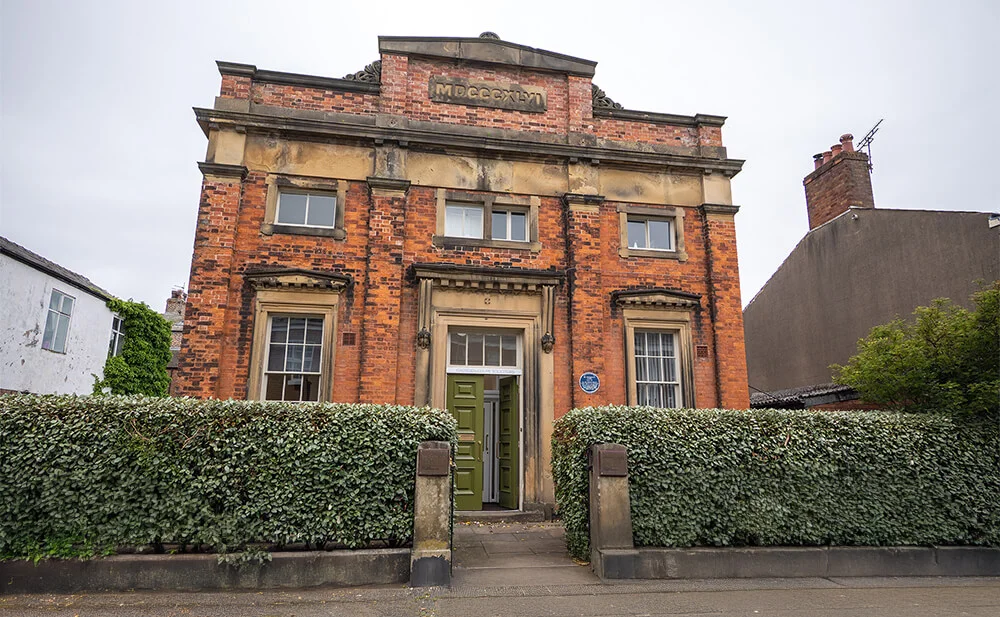
Before the chapel was built, local Methodists gathered in a small licensed preaching house on Bath Street. The new building, designed to seat around 200 people, was constructed of red brick laid in Flemish bond with sandstone dressings and a slate roof. It featured simple, symmetrical architecture typical of early Wesleyan chapels, with original windows still visible on the front façade and internal gallery stairs that survive today. A Sunday school was later added at the rear to serve the growing congregation.
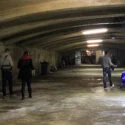
By the 1860s, however, Lytham’s rapid development as a seaside resort meant that the chapel could no longer accommodate its expanding membership or the influx of summer visitors. In response, a much larger Wesleyan chapel was built on Park Street in 1868, and the Bath Street building was repurposed for other community uses. Over the following decades, it served a variety of roles — as Lytham’s first Institute, a Masonic Hall, a coffee tavern, Wilson’s Auction Rooms, and even as a “Donut Dugout” for American forces during the Second World War, complete with murals of Mickey Mouse.
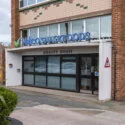
After the war, the building continued to adapt to changing times, later housing a health clinic and, more recently, becoming the offices of Gadsden Coupe Solicitors. Despite its many transformations, Mr. Hincksman’s Chapel remains one of Lytham’s most historically significant early religious buildings — a modest yet enduring testament to the town’s evolving spiritual and social life.
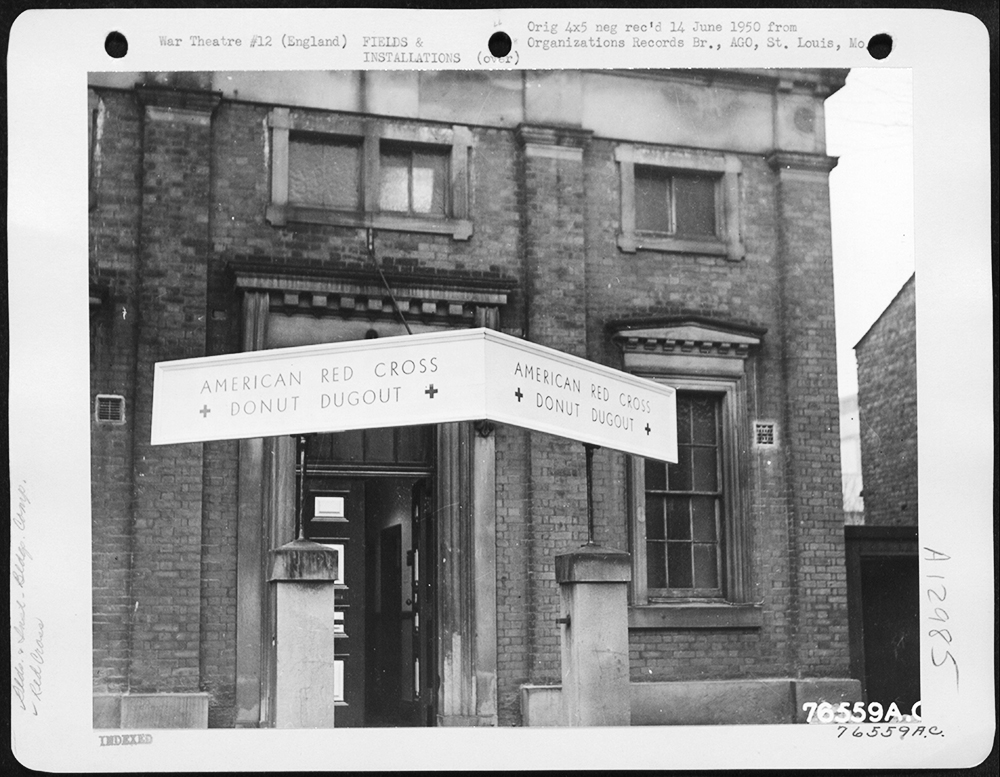
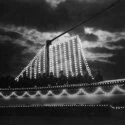
The American Red Cross ‘Donut Dugout’ Building At Lytham. 18 February 1944. © Alamy
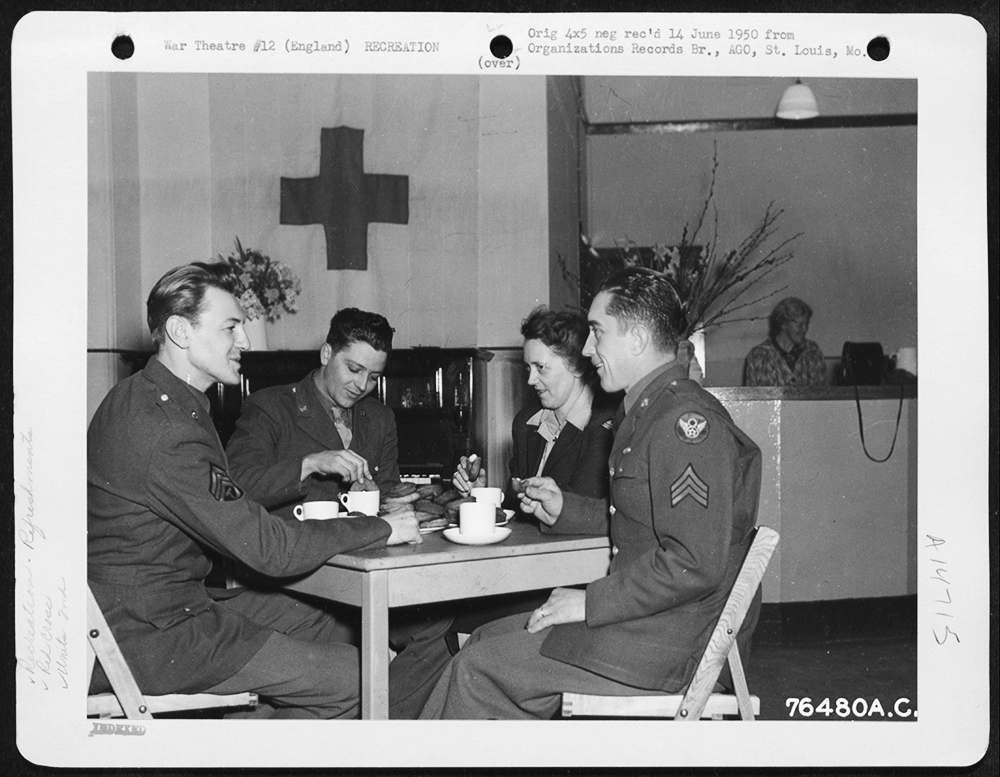
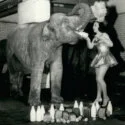
Personnel of the 2nd Base Air Depot enjoy coffee and doughnuts with their Red Cross hostess at the American Red Cross ‘Donut Dugout’ centre at Lytham, 18 February 1944. © Alamy
Serving clients across Lytham St Annes and throughout the UK, Gadsden Coupe have built a strong reputation for delivering clear, practical, and professional legal advice. Their work spans a broad range of services — from helping elderly and vulnerable clients manage their legal and financial affairs to providing expert guidance on tax planning, wills, and trusts. The firm prides itself on combining traditional values with modern expertise, offering a comprehensive and compassionate approach to each client’s needs.
Occupying one of Lytham’s most historic buildings, Gadsden Coupe continue the site’s long-standing tradition of community service — transforming what was once a place of worship and fellowship into a centre of trusted professional support for local residents and families.
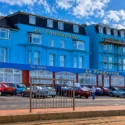
Additional Images © Alamy
Text source: Lytham Heritage Group'swebsite
Images by © Deeper Blue Marketing & Design Ltd


