



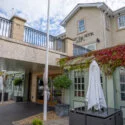













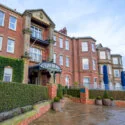








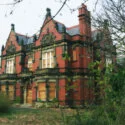











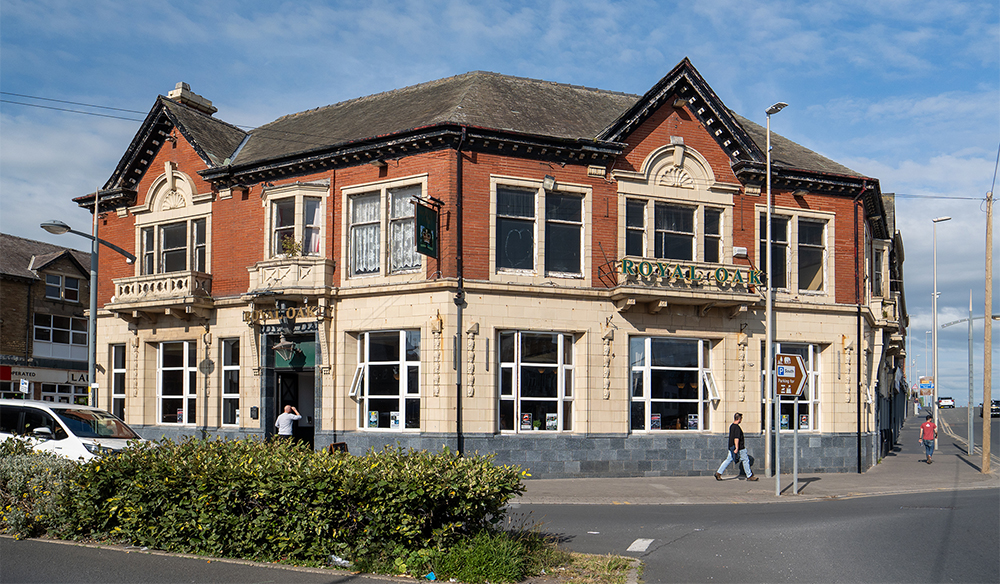
The Royal Oak pub on Waterloo Road in Blackpool is one of the town’s most historic public houses, with roots tracing back to the late 19th century. Originally acquired by the C&S Brewery in 1893, the establishment underwent a major transformation that turned it into one of the area’s most distinctive pubs. Following its purchase, the brewery embarked on an extensive rebuilding and refurbishment programme, incorporating materials and design elements that reflected both tradition and craftsmanship. Much of the brick used in the construction was salvaged from Whinney Heys Hall, a historic local manor house, giving the building a unique architectural character.
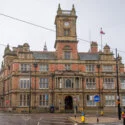
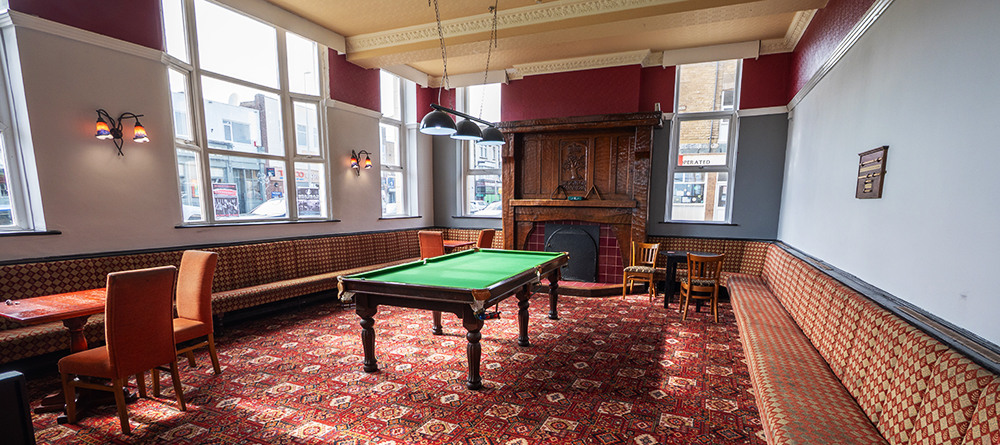
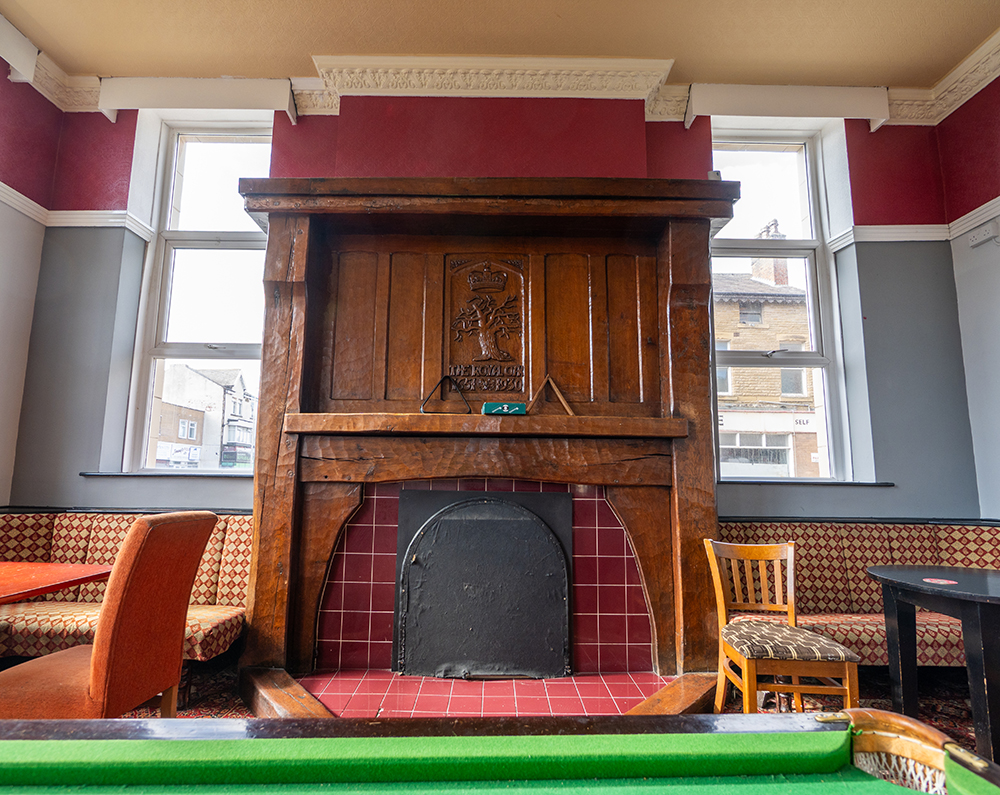
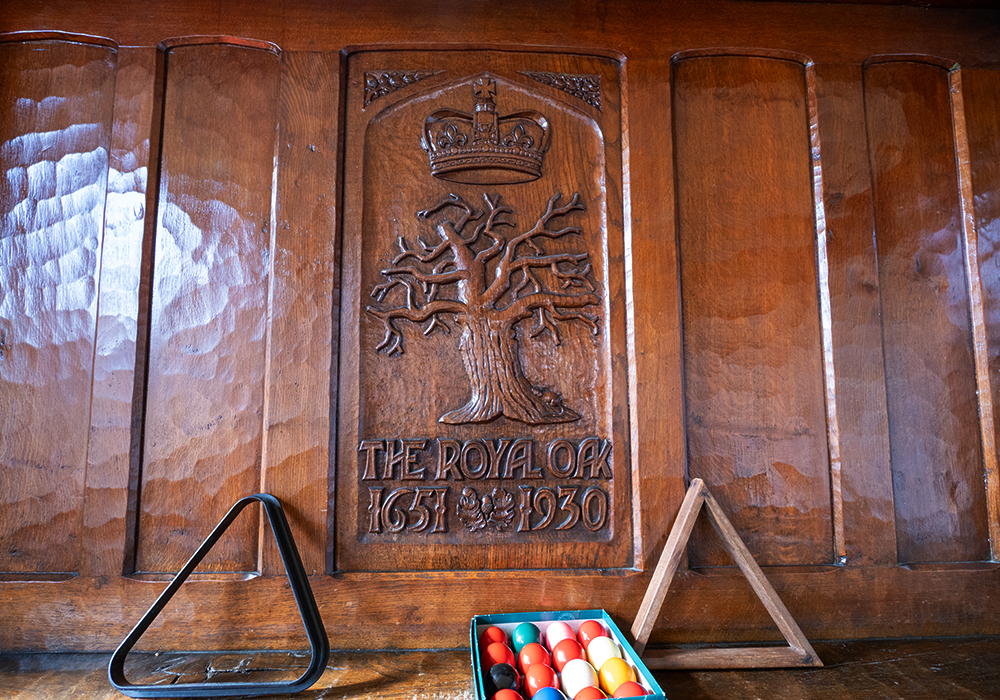
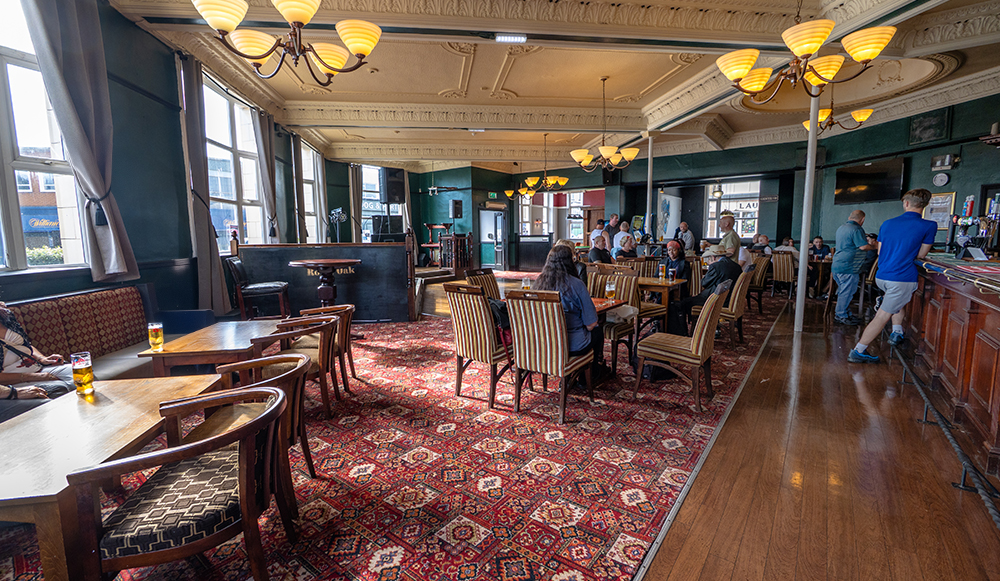
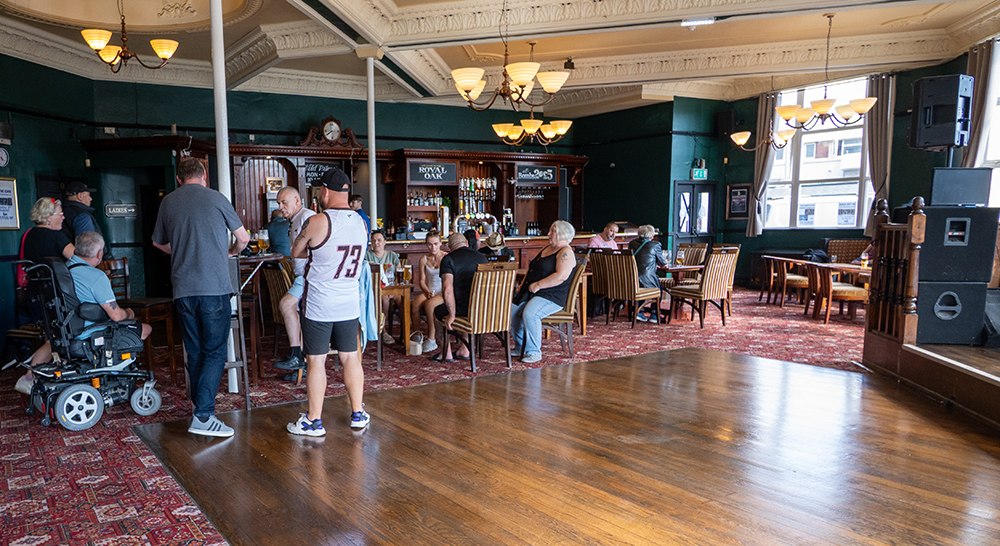
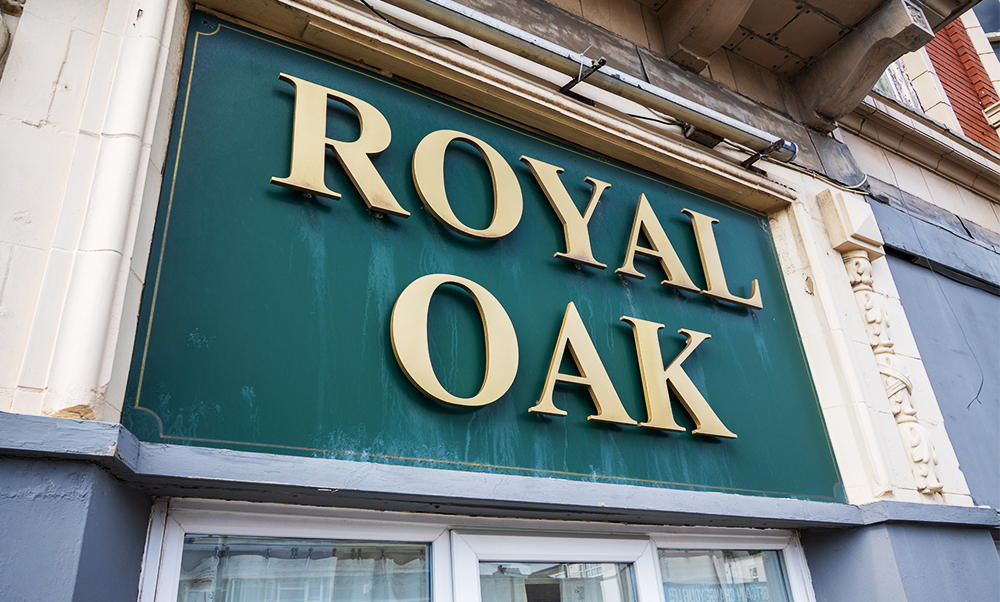
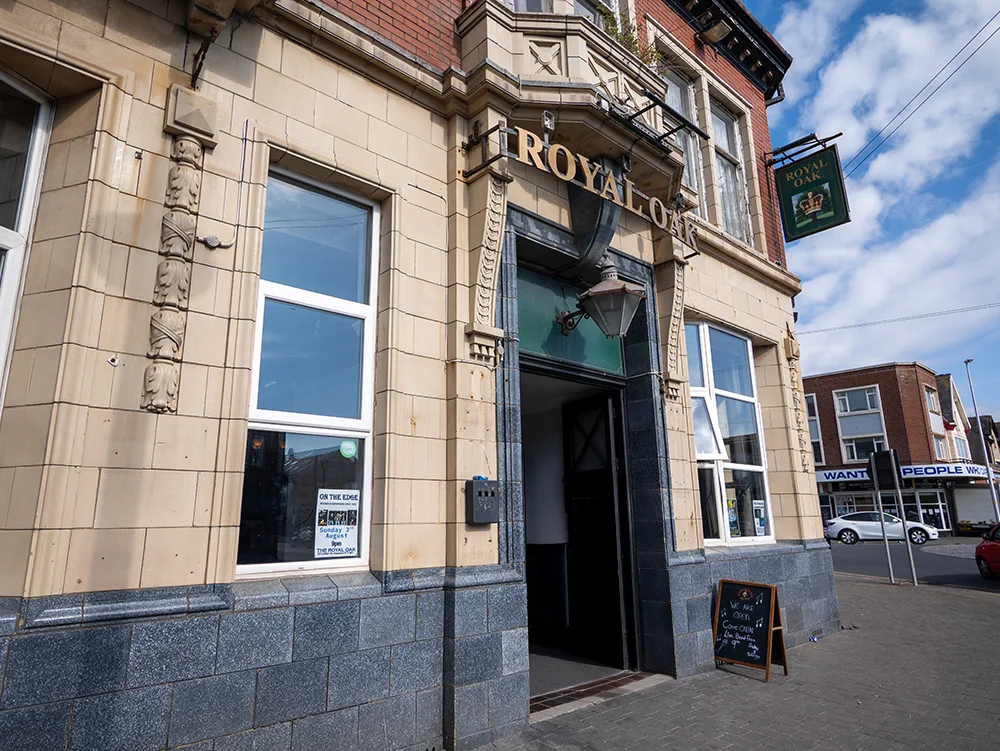
The pub was renamed the Royal Oak and officially reopened on July 12, 1930. The refurbishment gave the building its iconic glazed terracotta façade, a hallmark of early 20th-century design. Inside, one of its most notable features is the intricately carved fireplace, believed to be the work of renowned craftsman Robert Thompson, famously known as “The Mouseman of Kilburn.” The fireplace is said to contain several of Thompson’s trademark hidden carved mice, making it a rare and valuable piece of design heritage. The carvings and craftsmanship pay homage to the pub’s long and storied past, which some accounts suggest dates back as far as 1651, when an earlier inn stood on or near the site.
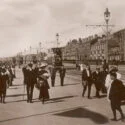
Situated on the corner of Waterloo Road opposite the Civic Centre, the Royal Oak occupies a prominent position on one of Blackpool’s main thoroughfares. Its architecture stands out amid the mix of older and newer buildings along the street, representing the evolution of Blackpool’s urban landscape from a modest Victorian seaside town into a bustling resort destination.
Throughout its history, the Royal Oak has been more than just a pub—it has been a gathering place for the local community, a stop for travellers, and a living reflection of Blackpool’s social and architectural heritage. Today, it remains a cherished local landmark, its distinctive red brickwork and terracotta detailing standing as a reminder of the craftsmanship and character that shaped early 20th-century Blackpool.
Text source: Google's AI Overview
Images by © Deeper Blue Marketing & Design Ltd


