































ICI Hillhouse was a major chemical manufacturing site in Thornton, Lancashire, operating from 1941 until its closure in 1992. A division of Imperial Chemical Industries (ICI), the facility played a key role in Britain’s industrial and wartime chemical production, particularly in the manufacture of chlorine and related compounds. The sprawling complex, with its distinctive triangular layout, stretched from the banks of the River Wyre at Stanah to Hillylaid Road in Thornton and the southern outskirts of Fleetwood. Its main entrances were located on Hillylaid Road—through a gate that still stands at the end of The Hawthorns—and on Butts Road in Burn Naze. Workers commuting to the site could use Burn Naze Halt railway station, part of the Fleetwood branch line. The site’s origins date back to 1890 when the United Alkali Company began operations in the area, producing soda ash and other chemicals. After the formation of ICI in 1926, the Hillhouse plant became part of its General Chemicals Division. During the Second World War, ICI Hillhouse was expanded by the Ministry of Supply to meet growing industrial and military demand for chlorine-based products and other essential materials. After the war, ICI purchased the site outright from the Ministry, establishing it as one of its most important North West chemical facilities.
The 1950s and 1960s marked a period of significant growth. A large power station was constructed in 1958 on what is now Bourne Way, supplying electricity and steam for on-site chemical production. A dedicated rail connection linked the works to the national network at Poulton-le-Fylde, allowing the transport of raw materials and finished goods. This railway line, though long disused, still exists today, though the Burn Naze sidings were removed after freight services ended in 1999. Tragedy struck the plant on 26 July 1963 when a fire broke out in an electric furnace used to produce carbide electro paste. Despite the quick response from the site’s own fire brigade and support from Blackpool and Lancashire brigades, seven firefighters were injured. One of them, Raymond Pearson, aged 40, later died of his injuries. The incident remains one of the most serious in the site’s history.
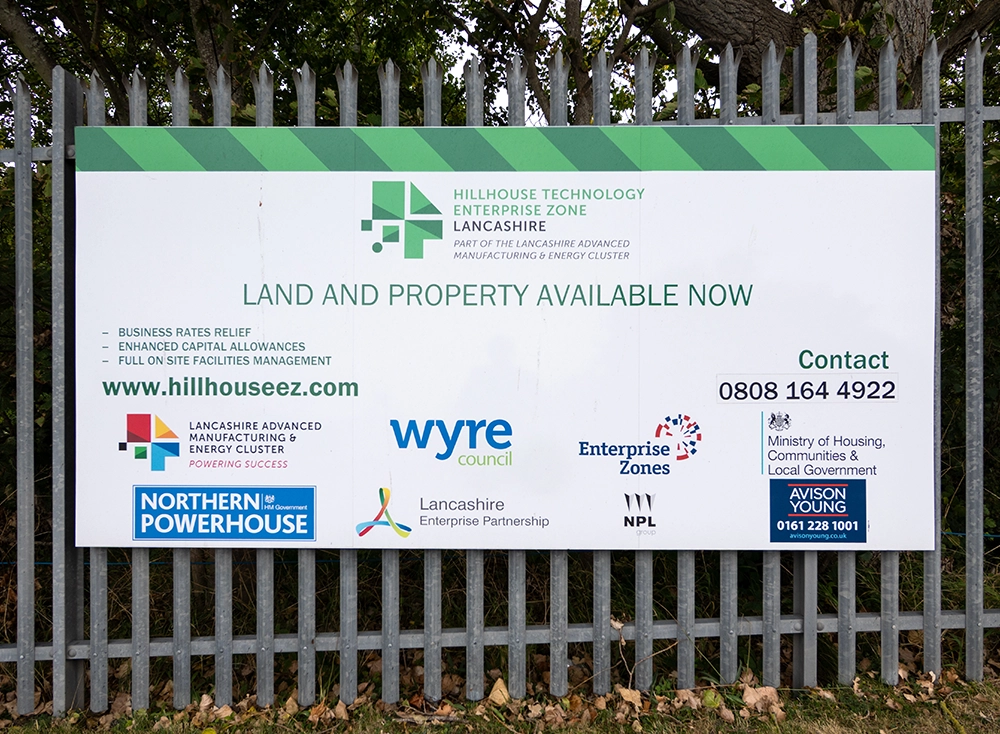
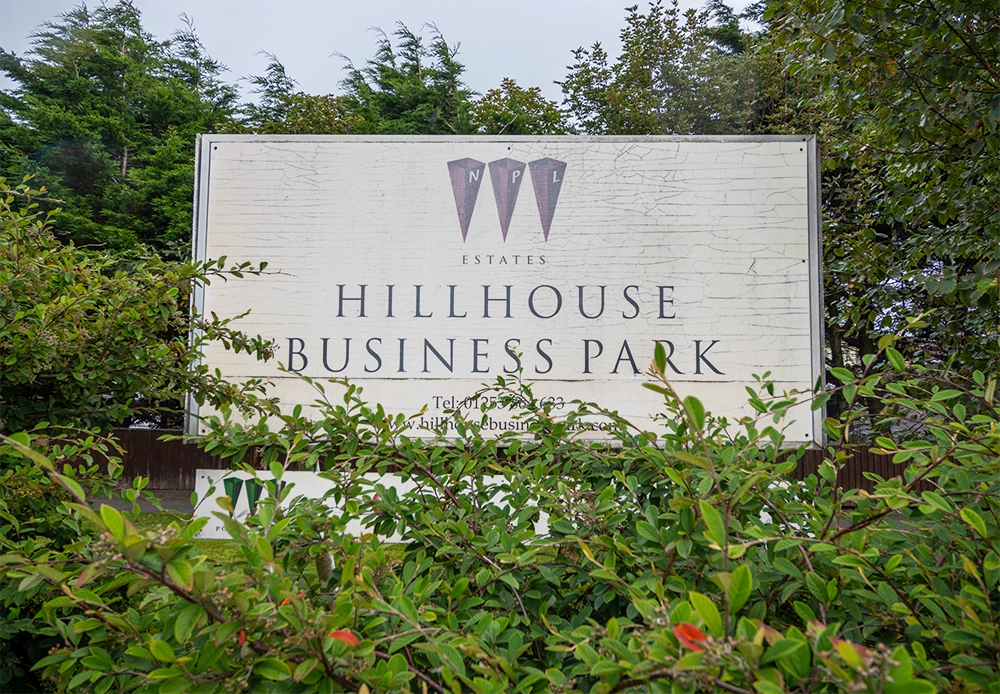
At its peak, ICI Hillhouse employed thousands of local residents, and entire generations of families worked at the plant. When it closed in 1992, the closure had a profound impact on nearby communities, particularly Burn Naze, which had grown up around the workforce. The chlorine plant was demolished in 1994, and the power station followed in 2007, with its tall chimney brought down on 7 November 2009. In 1999, Glasgow-based NPL Estates purchased the land in a £50 million redevelopment deal with ICI, with plans to transform parts of the area into new housing, retail, and leisure developments. Other sections became the Hillhouse Enterprise Zone, attracting new industries and businesses to the Fylde Coast.
ICI Hillhouse also made extensive use of local natural resources. Water for its operations was drawn from the Lancaster Canal near Nateby Hall bridge under a 25-year lease, with around 6,000 megalitres—approximately 1.3 million gallons—extracted for industrial use. Earlier boreholes at the site had become unusable when groundwater turned brackish due to a geological fault running between Barrow-in-Furness and the Fylde. The legacy of ICI Hillhouse endures in the local community. A plaque beside the Thornton-Cleveleys War Memorial at Four Lane Ends honours ICI workers who served during both World Wars, and a separate plaque at Burn Naze Halt, placed by the Poulton & Wyre Railway Society, commemorates those same employees and their service. Though the factory itself is long gone, the story of ICI Hillhouse remains a defining chapter in the industrial and social history of the Fylde Coast.
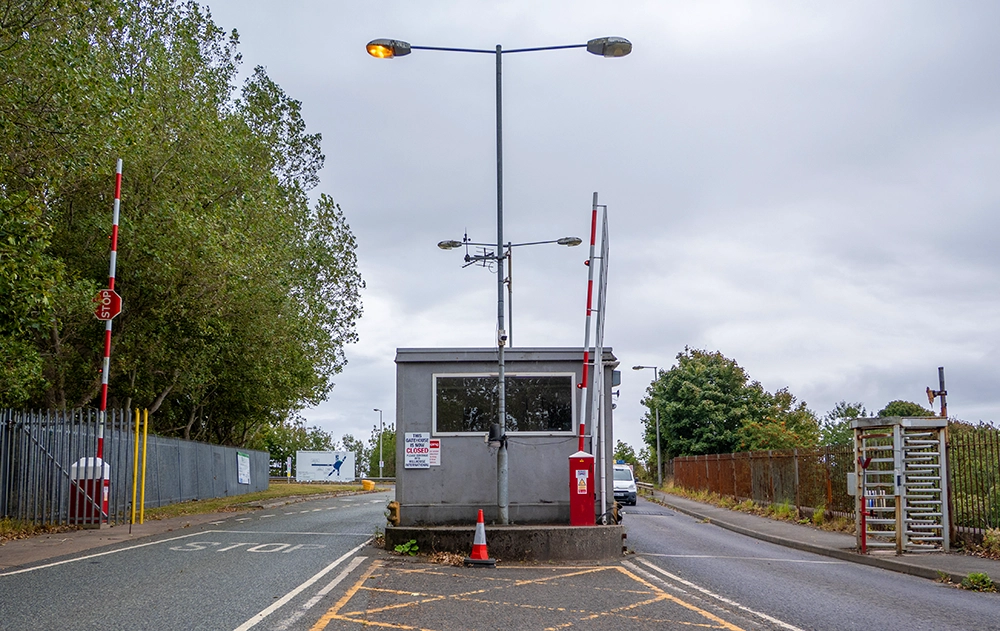

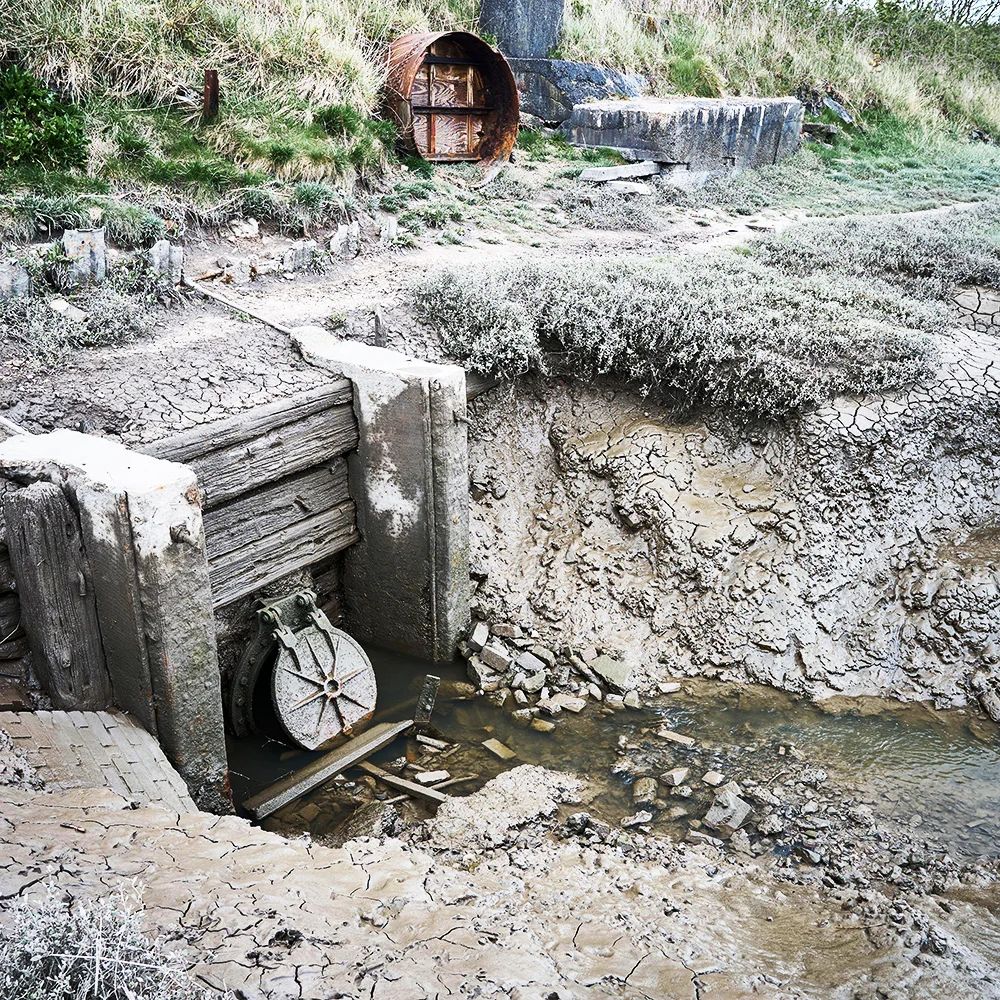
Abandoned outlet pipes on the River Wyre on the old ICI Hillhouse site in Fleetwood. 18 March 2021 © Alamy
Featured Image © Alamy
Additional Images © Deeper Blue Marketing & Design Ltd
Background Image © Alamy


