































The Talbot Hotel, situated on Clifton Street in Lytham, was one of the town’s best-known nineteenth-century landmarks. Built between 1850 and 1870, it stood as a prominent inn serving visitors and residents during the height of Lytham’s development as a genteel coastal resort. The hotel became a focal point of local social life, reflecting the period’s growing demand for accommodation and leisure spaces along the Fylde Coast. Following decades of service as a popular public house, the Talbot underwent major refurbishment during the 1980s, when it was converted into a shopping complex. Despite these alterations, elements of its original structure and layout remained recognisable, particularly the Bath Street entrance, which had once served as an order office before later being adapted into a recreation room.
Behind the main building stood a rare cobble-walled stable—believed to predate the hotel itself—suggesting that part of the site may once have formed part of an earlier farmstead. This surviving outbuilding provided a tangible link to Lytham’s rural origins before its transformation into a fashionable seaside town, preserving a small but distinctive piece of the area’s architectural and social heritage.
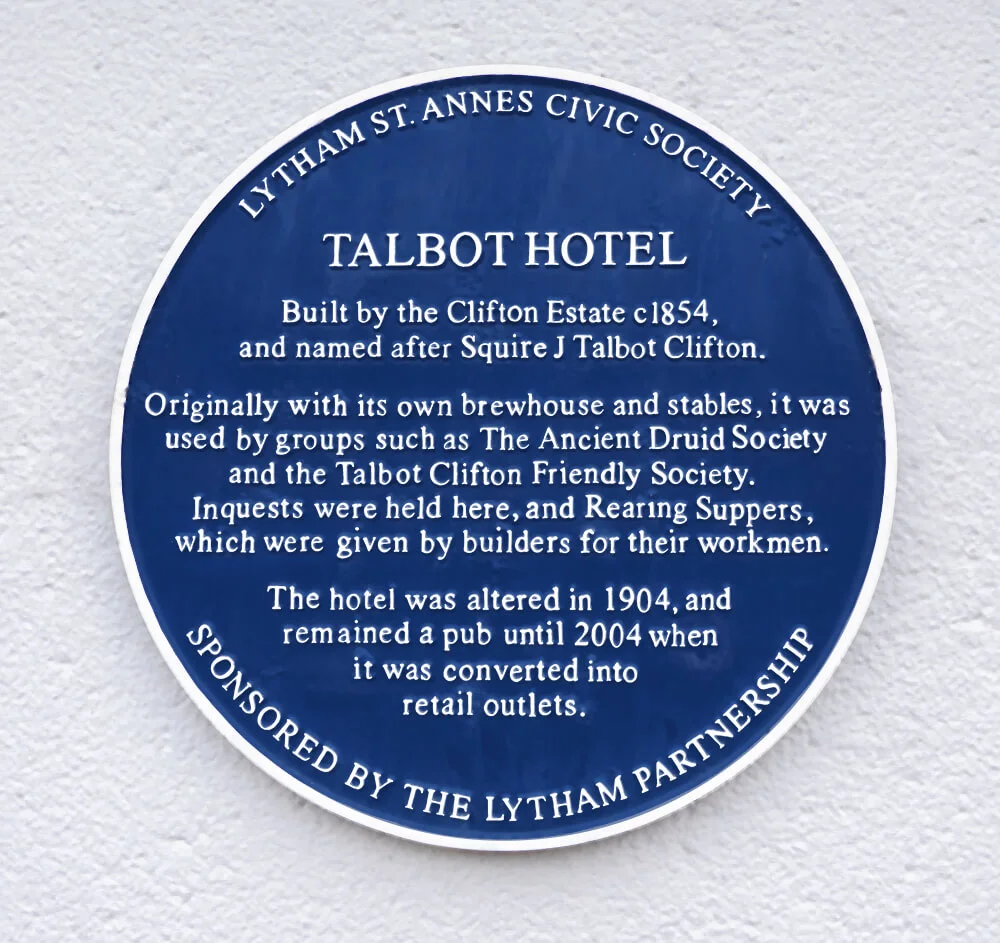
© Deeper Blue Marketing & Design Ltd
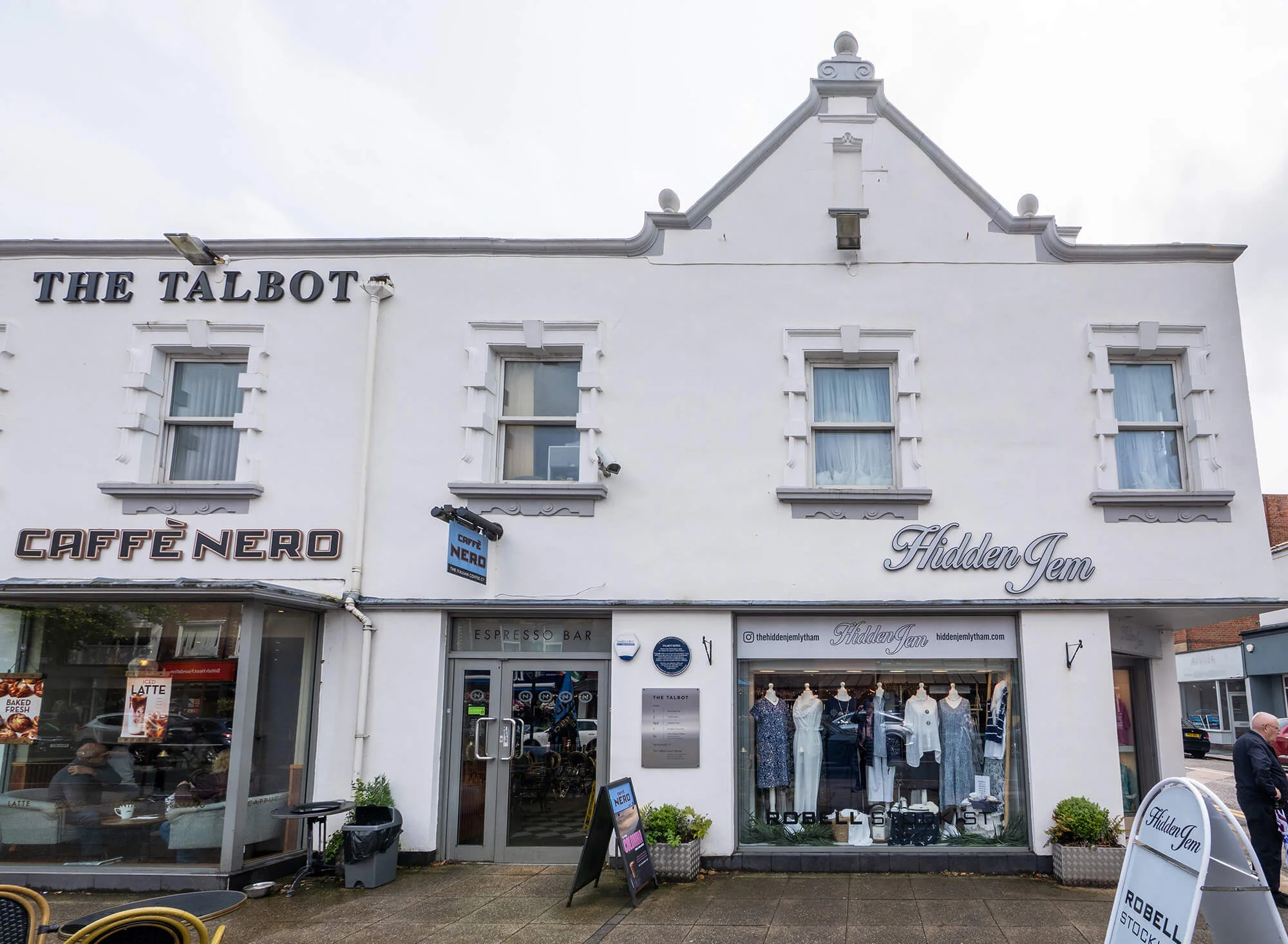
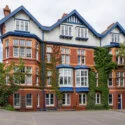
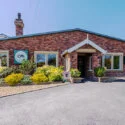
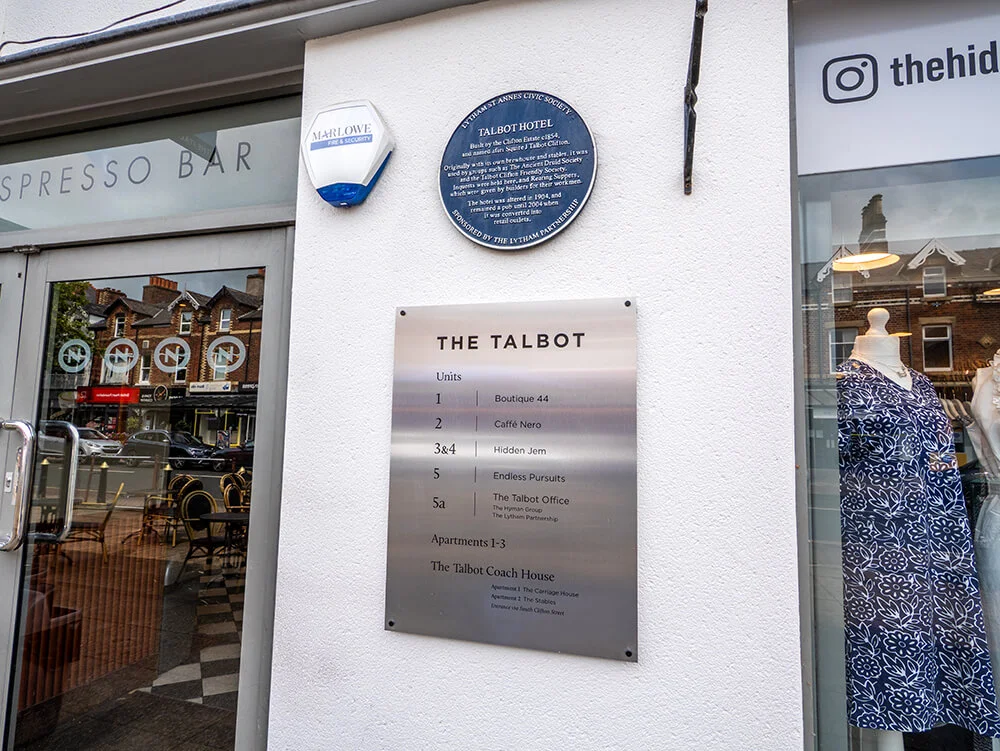
The Talbot Building with retail units as it is in 2025 © Deeper Blue Marketing & Design Ltd
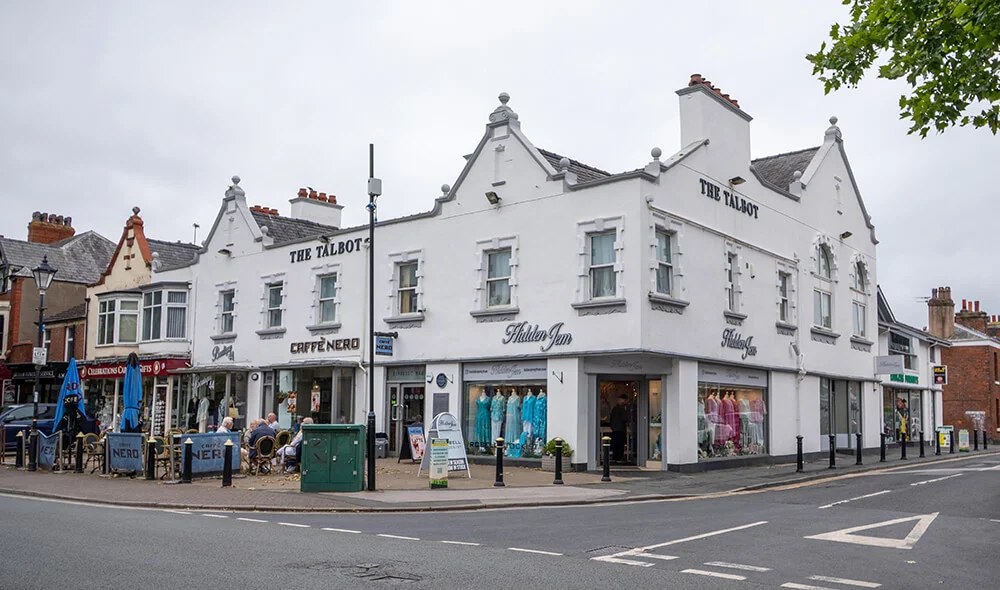
The Talbot Building with retail units as it is in 2025 © Deeper Blue Marketing & Design Ltd
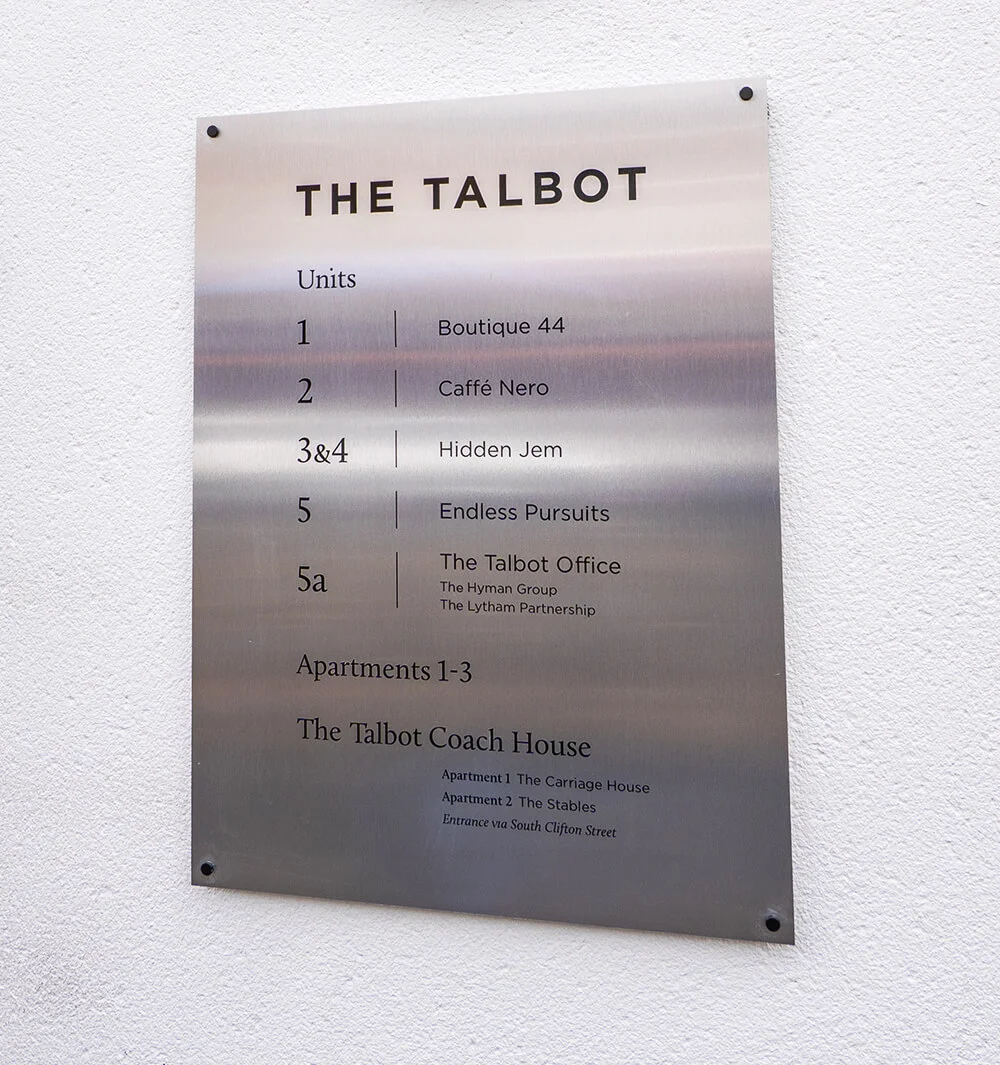
© Deeper Blue Marketing & Design Ltd
For many years, the premises on Clifton Street were occupied by Leonard Dews (see image below), a well-known jeweller whose business had established a respected presence in both Blackpool and the Isle of Man. The Lytham branch formed part of this long-standing network, serving the town’s residents and visitors with high-quality jewellery and fine craftsmanship.
Tragically, the store’s operation came to an abrupt end following a violent robbery in September 2011. On that occasion, four men arrived outside the shop in a black Ford Mondeo. Three masked men, armed with sledgehammers, entered the premises and threatened members of staff before smashing display cabinets and seizing a substantial quantity of jewellery. The assailants then fled the scene in the waiting vehicle, which was later discovered abandoned and set alight on nearby Agnew Street. It is believed that they transferred to a silver Ford S-Max and escaped in the direction of Wrea Green.
The incident marked a dramatic and unsettling moment in the history of the premises, effectively bringing an end to Leonard Dews’ presence in Lytham. The jeweller’s departure closed a chapter in the town’s retail story, removing from Clifton Street one of its most recognisable and long-established names.
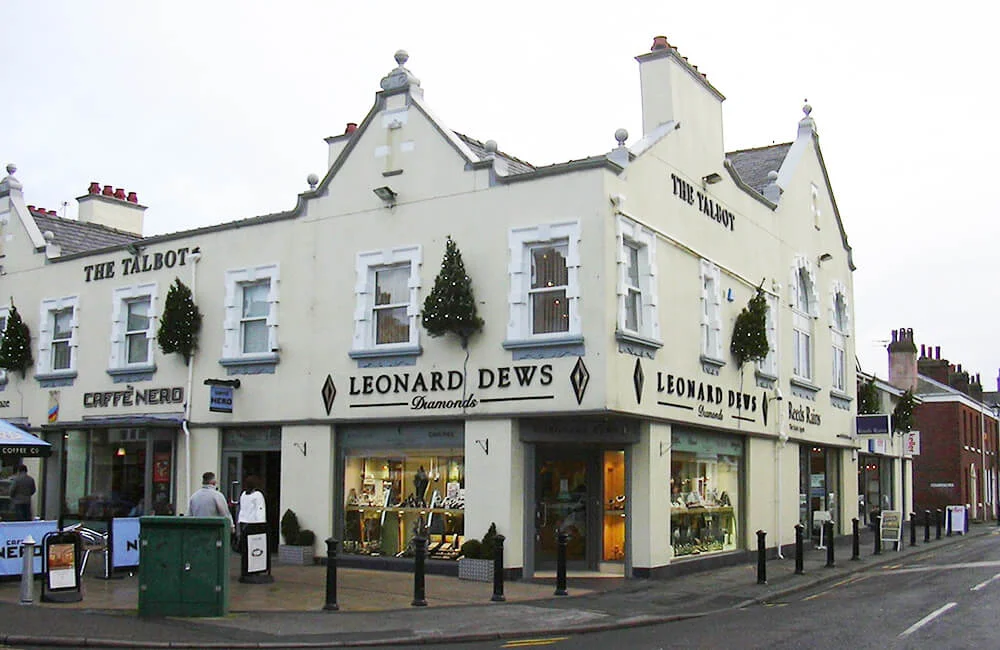
Leonard Dews occupied the corner unit for many years. © Robert Wade (Wadey) 4 December 2009
Text source: Google's AI Overview and The Daily Mail'swebsite
Images by © Deeper Blue Marketing & Design Ltd


