



















Richard Ansdell RA (11 May 1815 – 20 April 1885) was a distinguished British painter renowned for his depictions of animals, rural life, and dramatic genre scenes. Born in Liverpool, then part of Lancashire, he was the son of Thomas Griffiths Ansdell, a freeman who worked at the port, and Anne Jackson. After his father’s death, he attended the Liverpool Blue Coat School for orphans, where his artistic promise became clear. Following his studies, Ansdell apprenticed with a portrait painter in Chatham Street, Liverpool, before working as a sign painter in the Netherlands—an experience that honed his observational skills and interest in everyday detail.
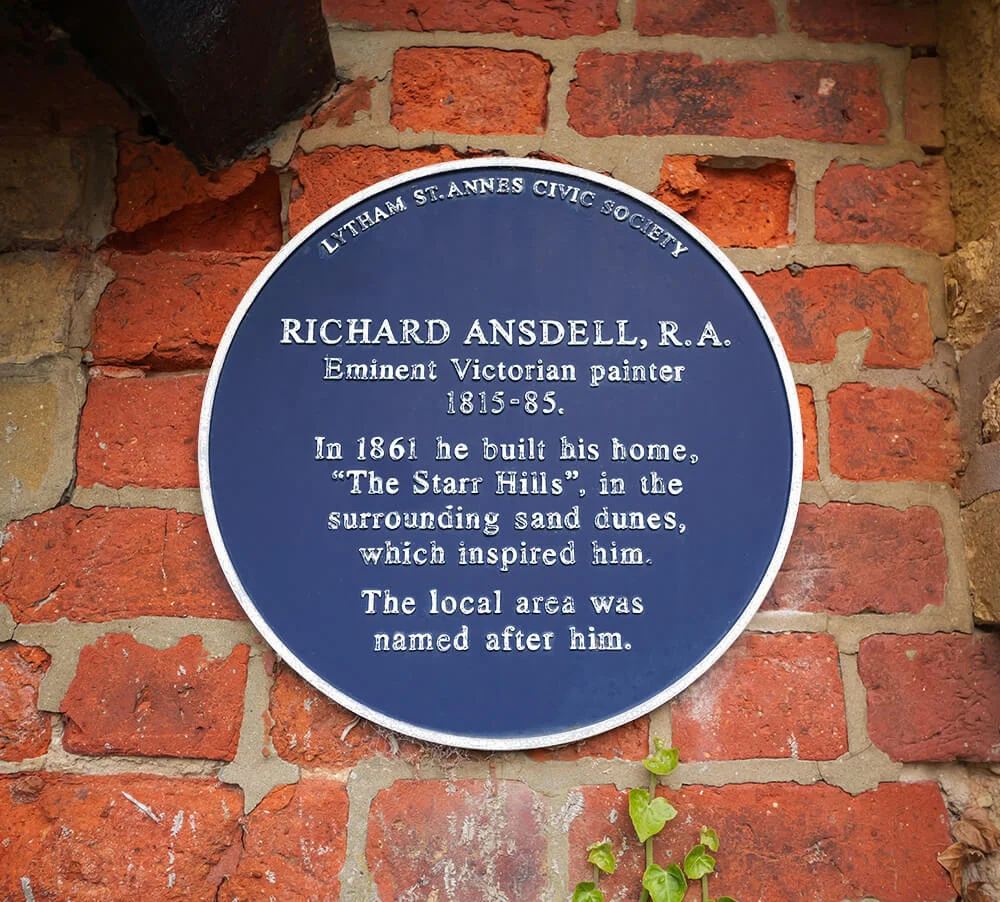
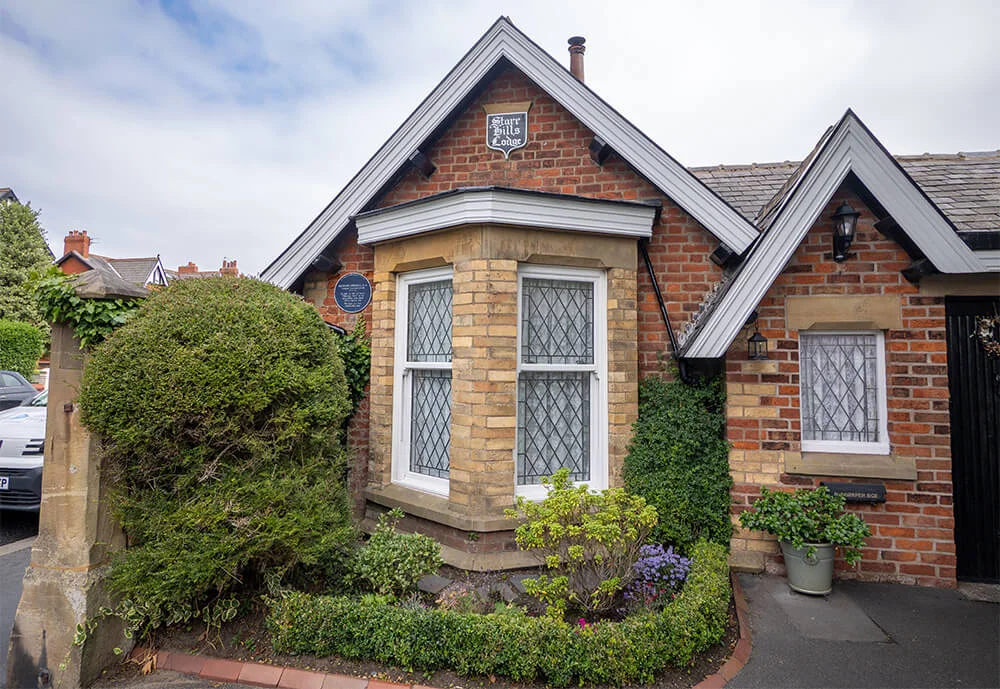
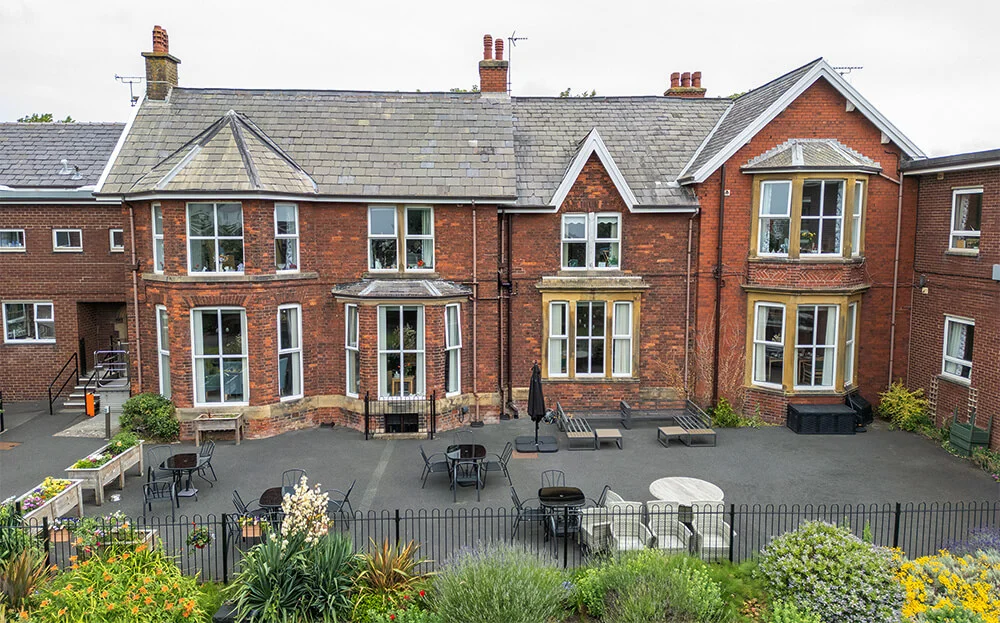
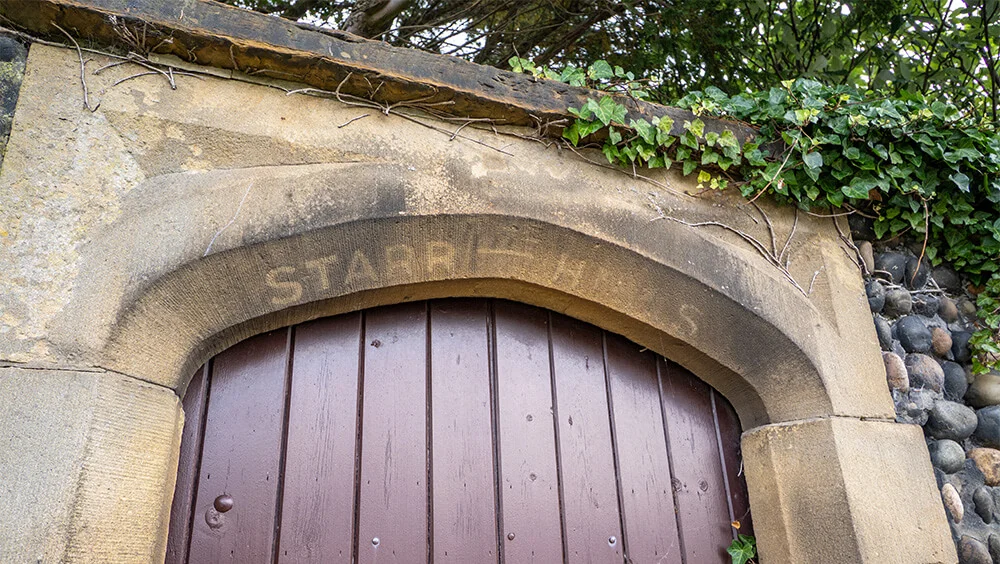
In 1861, Ansdell built The Starr Hills, his summer residence at Lytham St Annes. Surrounded by the coastal landscapes and dunes that inspired much of his later work, he painted scenes such as Lytham Sandhills (1853), which captured the light and life of the Fylde coast. His presence in the area left a lasting mark—so much so that the nearby district of Ansdell was named in his honour, making him the only English artist to have a town district bear his name.
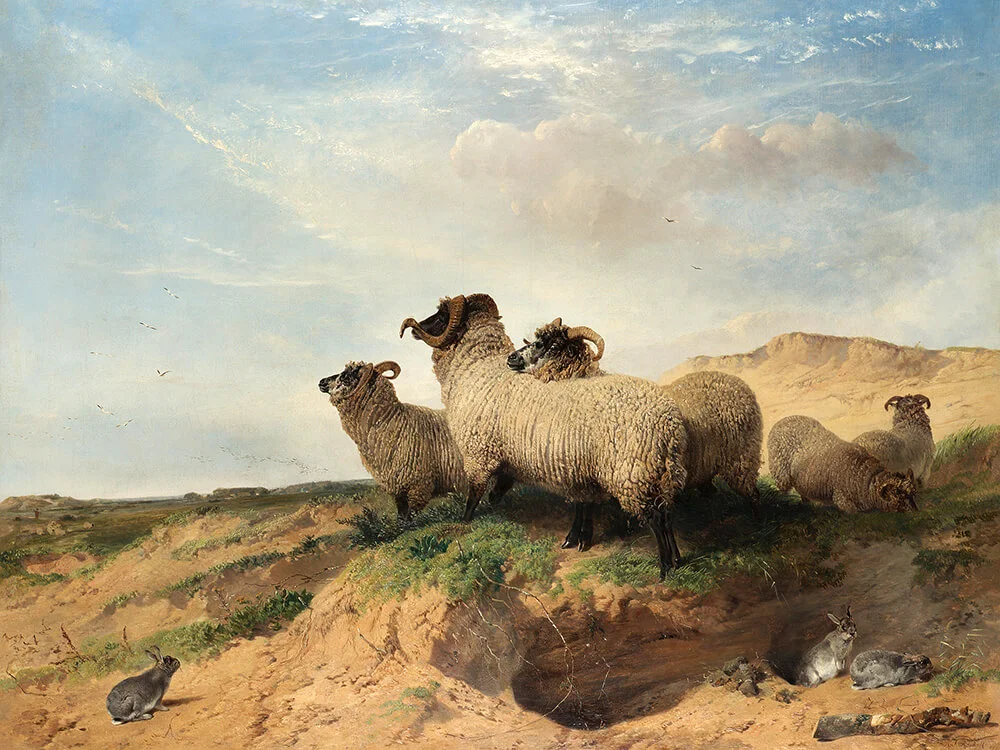
Richard Ansdell – Lytham Sandhills, (1853) – Bonhams London, 15 Nov 2005, lot 46
Ansdell first exhibited at the Liverpool Academy in 1835, becoming a student there the following year. His early paintings, often inspired by pastoral life and hunting scenes, quickly drew the attention of wealthy patrons. His debut at the Royal Academy in 1840 featured Grouse Shooting and A Galloway Farm, followed by The Earl of Sefton and Party Returning from Hunting (1841) and The Death of Sir William Lambton at the Battle of Marston Moor (1842), now housed in Preston’s Harris Museum. Over the course of his career, he exhibited 149 paintings at the Royal Academy and over 30 at the British Institution, making him one of the most consistently active artists of the Victorian era.
Many of his works are now held in public collections, including the Walker Art Gallery in Liverpool, the Lytham St Annes Art Collection, and the Harris Museum in Preston. Fylde Borough Council currently holds many of the works donated to the former Lytham St Annes Corporation in the 1930s. A rotating selection is exhibited at the Fylde Gallery above Booths supermarket in Lytham, where The Herd Lassie is on long-term display. Additional works hang in Fylde Borough Council’s Town Hall, accessible by appointment or during heritage open days each September.
Ansdell’s enduring appeal was highlighted in October 2017, when a large painting of a Friesian cow featured on BBC One’s Antiques Roadshow and was valued by art expert Rupert Maas at between £15,000 and £20,000.
Richard Ansdell died in 1885, leaving behind a legacy of vivid, expressive paintings that captured both the grace of animals and the spirit of rural England. His art—and the district that bears his name—stand as enduring testaments to his vision, talent, and deep connection to the landscapes of Lancashire.
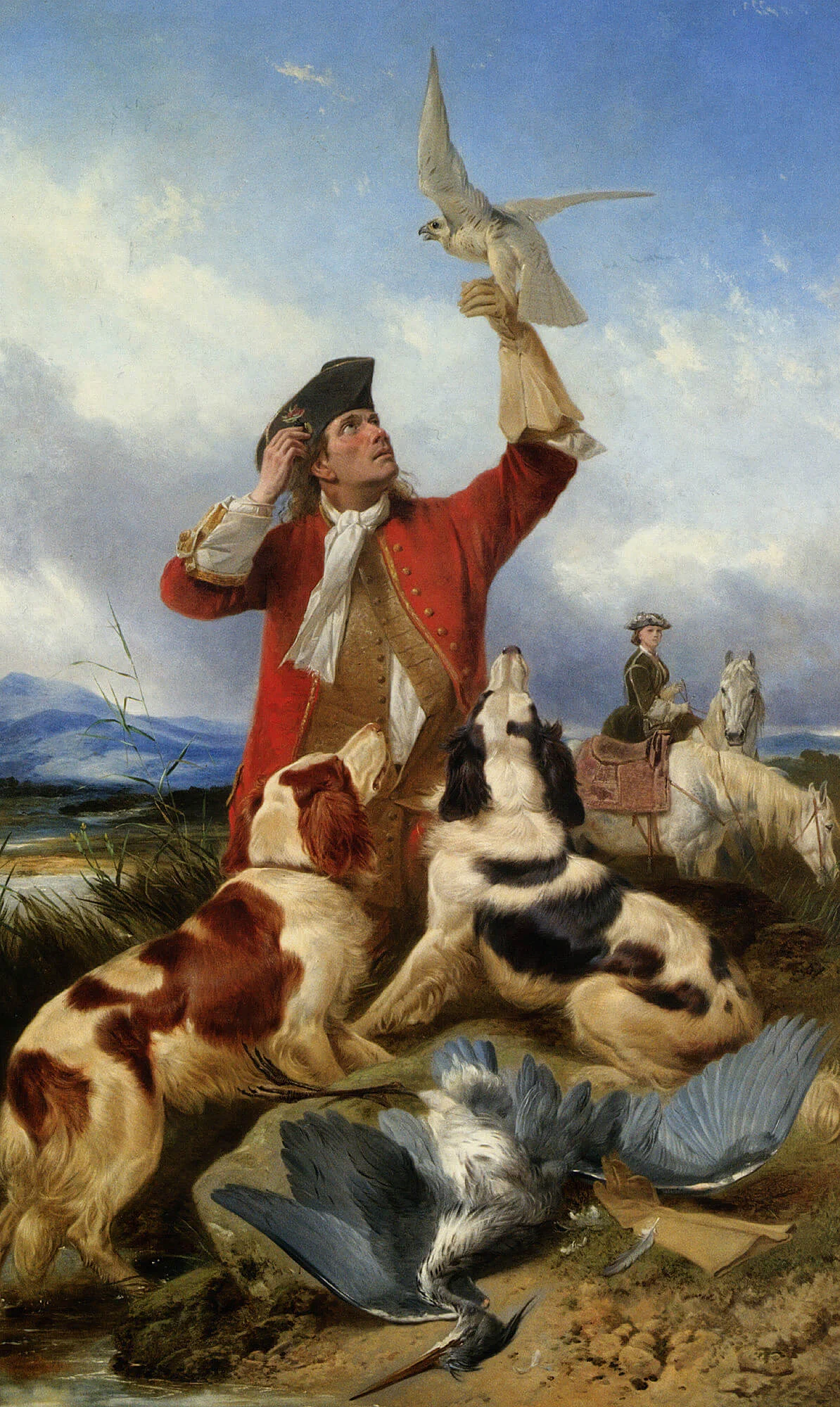
Richard Ansdell – Hawking, 1863
Richard Ansdell’s personal and professional life reflected the same dedication and vigour that defined his art. In June 1841, he married Maria Romer, and together they had eleven children. The growing family moved from Liverpool to Kensington, London, in 1847, allowing Ansdell to immerse himself more deeply in the heart of the British art world.
Throughout his career, Ansdell collaborated with several notable artists of his time. In 1850, he began working alongside the landscape painter Thomas Creswick, producing works such as The South Downs and England’s Day in the Country. He also partnered with William Powell Frith on The Keeper’s Daughter and with Scottish painter John Phillip, with whom he travelled to Spain in 1856. The journey inspired a series of Spanish-themed works, including The Water Carrier, The Road to Seville, and The Spanish Shepherd. Ansdell returned to Spain the following year to continue painting its landscapes and people, captivated by the country’s light, colour, and vitality.
His talent and productivity earned him widespread recognition. In 1855, he received a gold medal at the Paris Exhibition for his paintings The Wolf Slayer and Taming the Drove, and he was a three-time recipient of the Heywood Medal from the Manchester Royal Institution. His standing among peers was confirmed when he was elected an Associate of the Royal Academy (ARA) in 1861 and later a full Royal Academician (RA) in 1870.
Ansdell spent his later years between London and his beloved Lytham St Annes, continuing to paint scenes of animals, rural labour, and the landscapes that had long inspired him. He died at Collingwood Tower in Frimley, near Farnborough, Hampshire, on 20 April 1885. He was laid to rest at Brookwood Cemetery.
His legacy endures through his evocative portrayals of 19th-century life and his deep connection to Lancashire, where the district of Ansdell continues to bear his name—a fitting tribute to one of Britain’s great Victorian artists.
The plaque below shows how Ansdell also had a home in London. Its ‘Lytham House’ name was surely no coincidence.
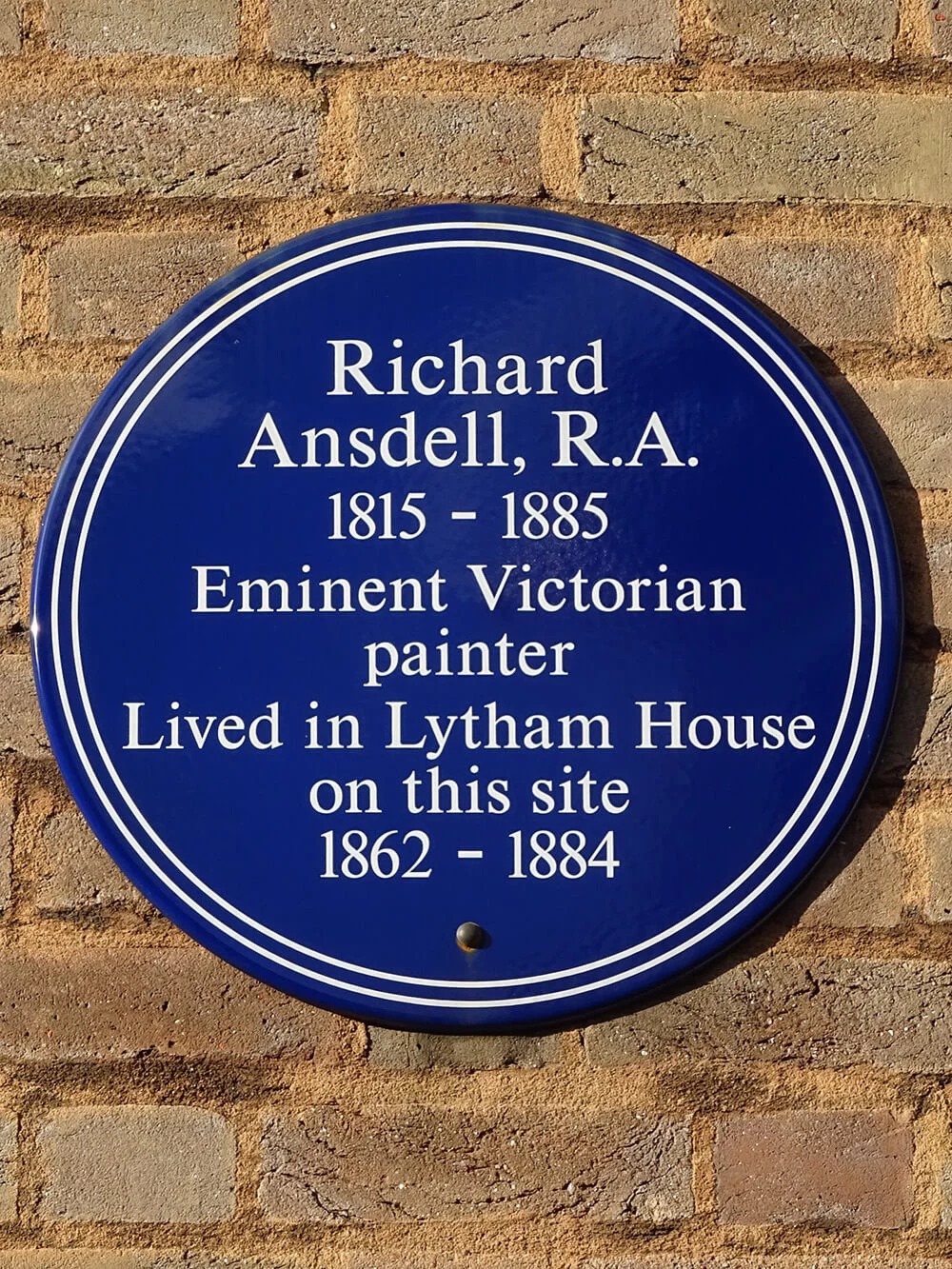
Richard Ansdell, R.A. 1815-1885 Lived in Lytham House, London 1862-1884. Photo by Spudgun67 CC BY-SA 4.0
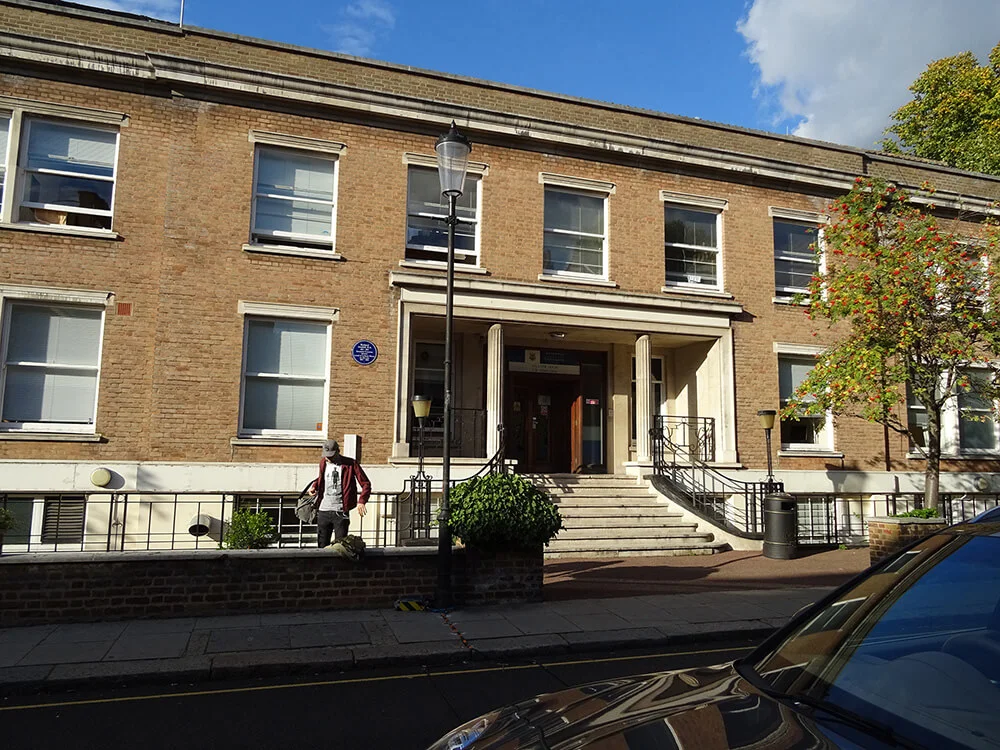
Richard Ansdell – Plaque visible on wall of Atlantic House, St Albans Grove, Kensington, London W8 5PH. Photo by Spudgun67 CC BY-SA 4.0
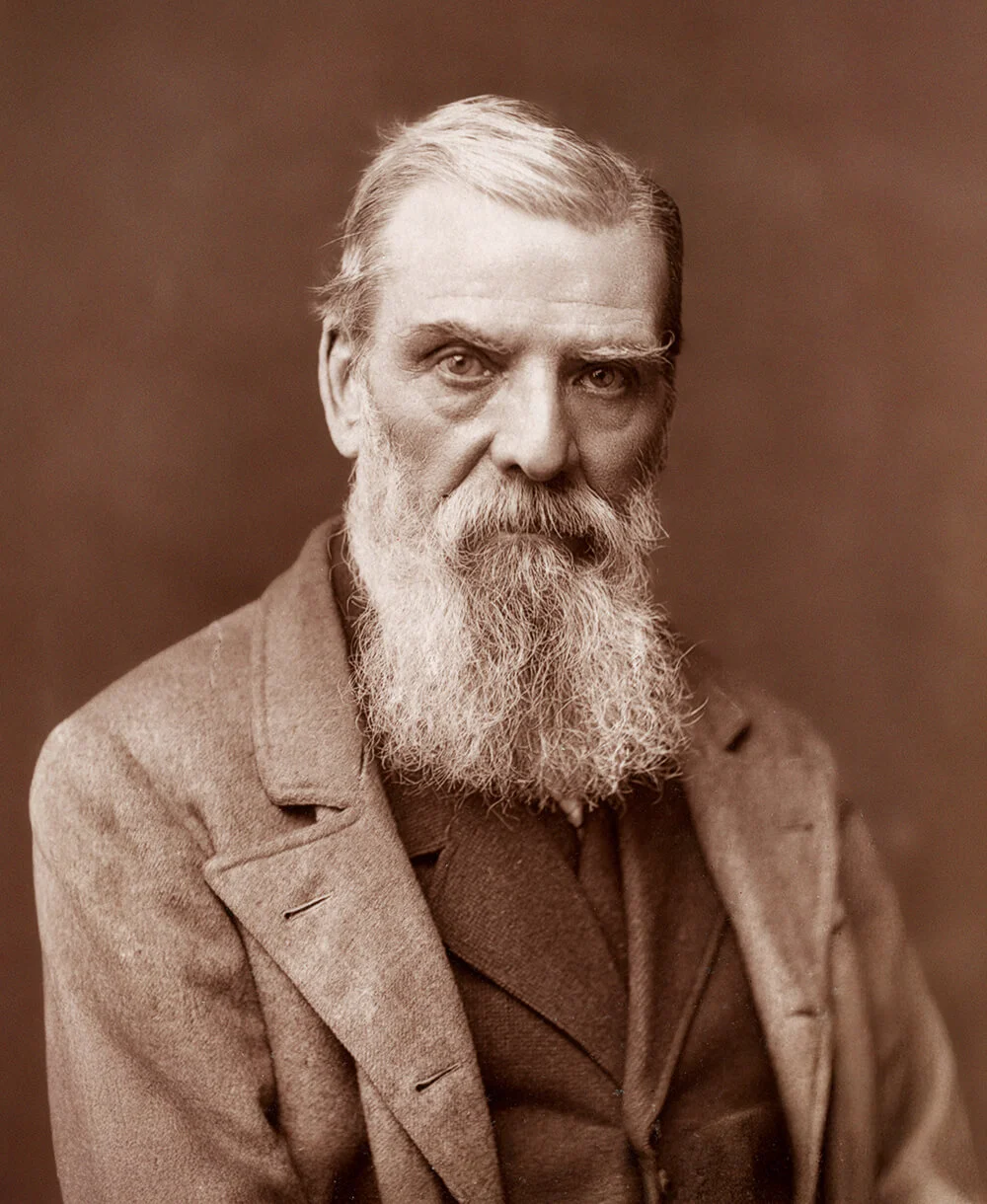
Richard Ansdell, RA, English painter, 1883. Artist: Lock & Whitfield. Image shot 1883. © Alamy
Featured Image © Alamy
Additional Images © Deeper Blue Marketing & Design Ltd
Background Image © Deeper Blue Marketing & Design Ltd


