




















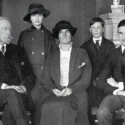







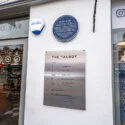

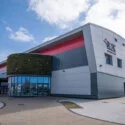


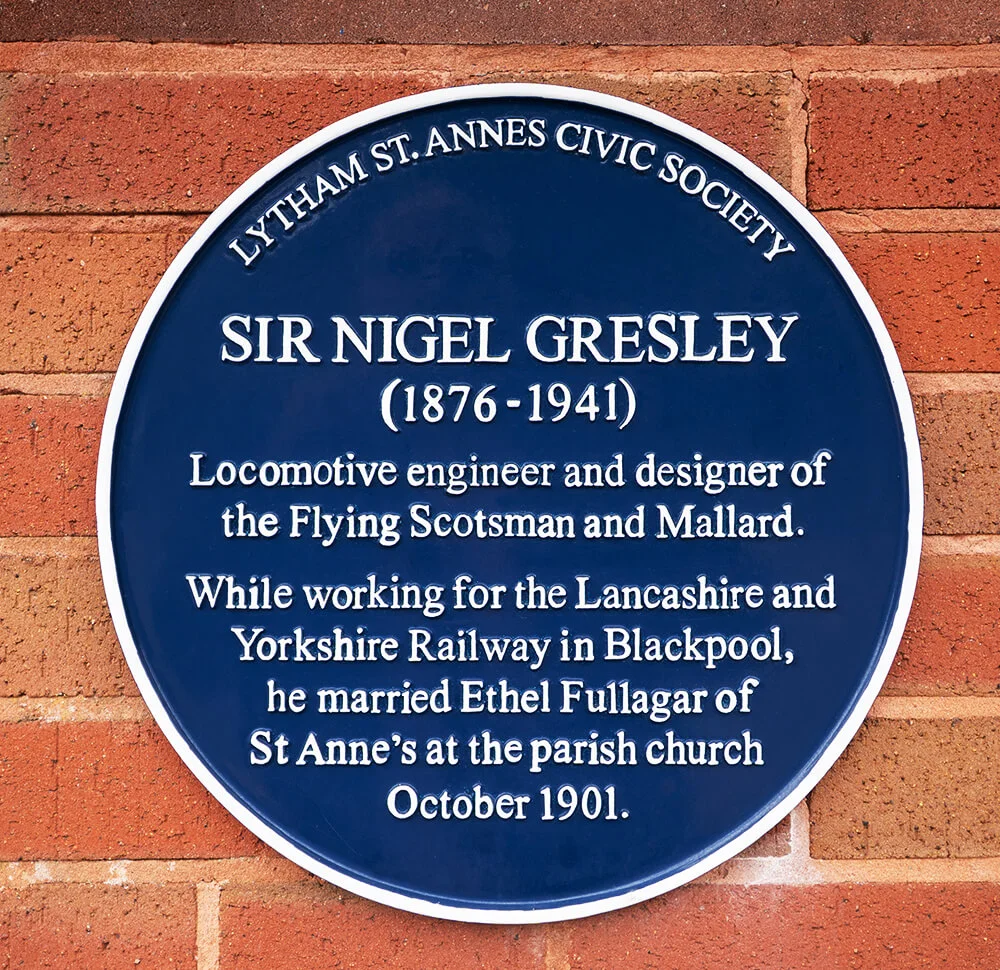
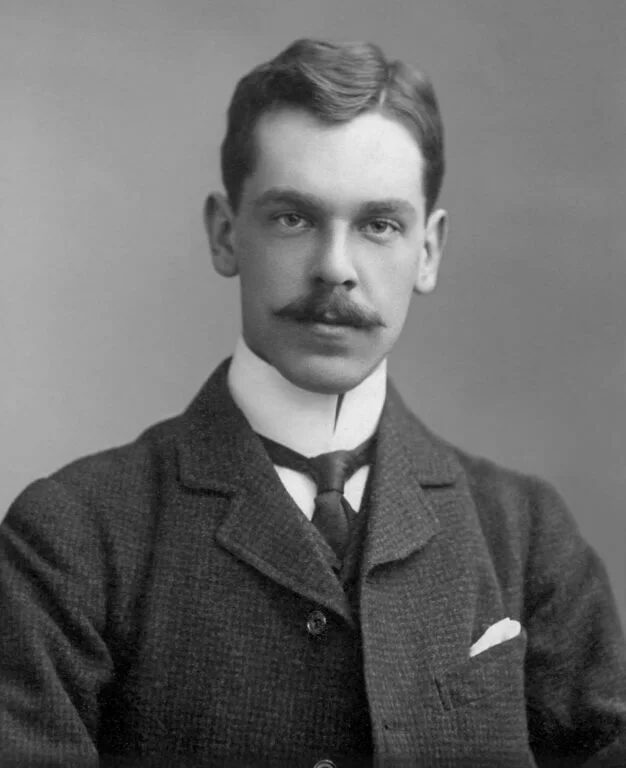
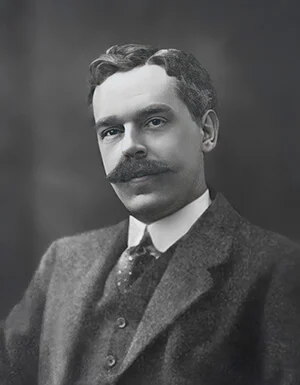
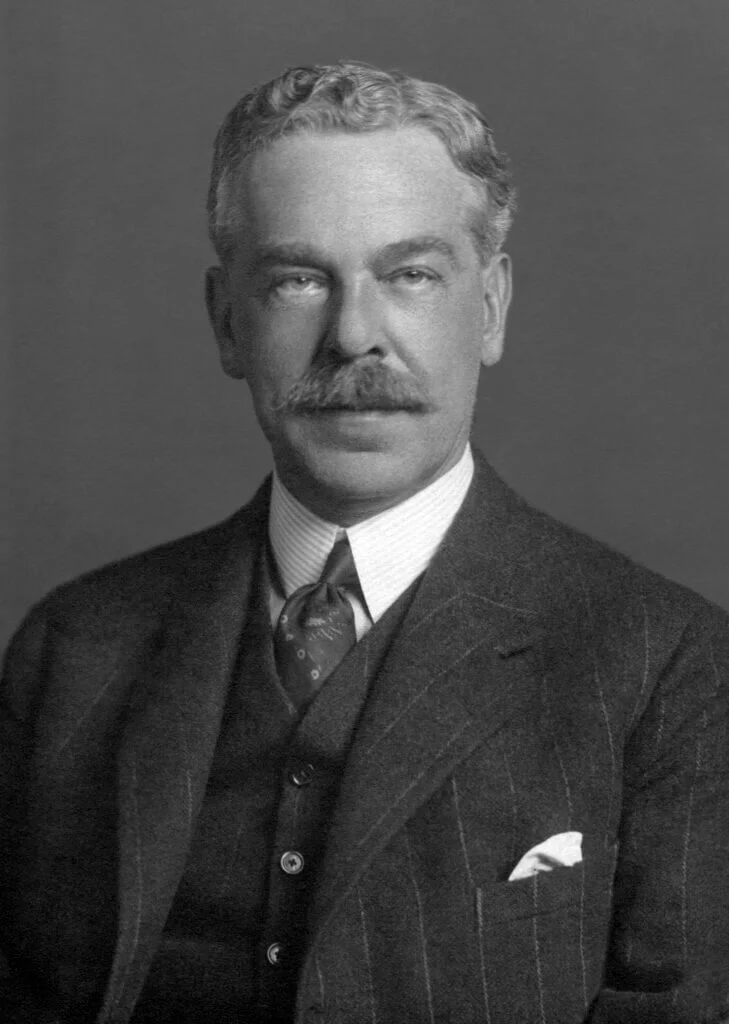
Sir Herbert Nigel Gresley, born on 19 June 1876, was one of Britain’s most distinguished steam locomotive engineers and served as Chief Mechanical Engineer of the London and North Eastern Railway. His early career began with an apprenticeship at the Horwich Locomotive Works, one of the foremost railway engineering centres in Lancashire. He later held the position of locomotive foreman in Blackpool, a post that formed part of his early practical training and professional development. During his time in Blackpool, Gresley met Ethel Frances Fullagar, and the two married at St Annes Parish Church in October 1901. Their marriage is commemorated by a plaque funded by St Annes Town Council, acknowledging the local connection of one of Britain’s most celebrated engineers.
Gresley went on to design some of the most iconic steam locomotives of the twentieth century, including the Flying Scotsman and Mallard, the latter of which set the world speed record for steam locomotives in 1938—a record that still stands. His innovations in locomotive engineering combined elegance, efficiency, and power, shaping the golden age of British steam travel. In recognition of his achievements, he was knighted in 1936. Sir Nigel Gresley died on 5 April 1941, leaving behind a legacy that continues to be celebrated in railway history and engineering heritage across Britain.
Sir Nigel Gresley designed some of the most celebrated steam locomotives in British railway history, including the LNER Class A1 and A4 4-6-2 Pacific engines. His A1 Pacific, the Flying Scotsman, became the first steam locomotive officially recorded at speeds exceeding one hundred miles per hour in passenger service, while his A4 engine, Mallard (number 4468), achieved a world record of 126 miles per hour in 1938—a distinction it retains to this day. His locomotives were admired for their balance of mechanical innovation and graceful design, combining engineering precision with aesthetic refinement.
Born in Edinburgh on 19 June 1876, Gresley was raised in Netherseal, Derbyshire, where his family had long been established. Educated in Sussex and later at Marlborough College, he began his engineering career as an apprentice at the Crewe Works of the London and North Western Railway before continuing his training under John Aspinall at the Horwich Works of the Lancashire and Yorkshire Railway. After several early appointments within the company, he became Outdoor Assistant in the Carriage and Wagon Department in 1901, Assistant Works Manager at Newton Heath in 1902, and Works Manager the following year—positions that laid the foundation for his later achievements in locomotive design.
For more on Gresley, visit this website.
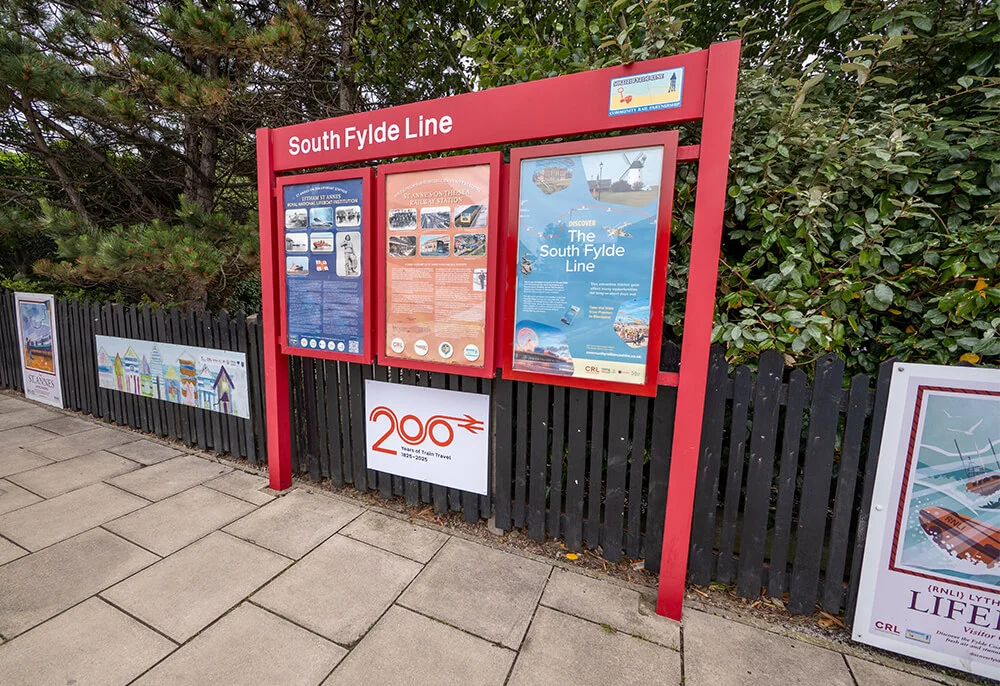
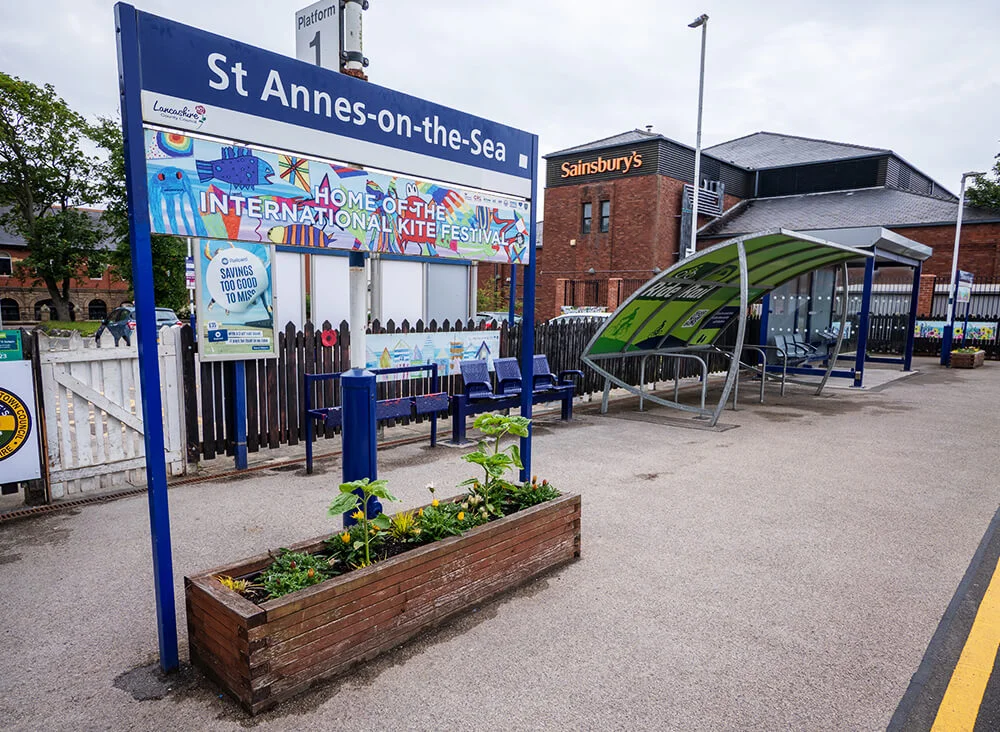
St Annes-on-the-Sea railway station serves the coastal town of St Annes, part of the wider conurbation of Lytham St Annes in Lancashire. Situated on the Blackpool South to Preston line, it lies just over three miles south-east of Blackpool South. The first station in the area opened in 1863 under the name Cross Slack but was replaced by the present station, which opened on 1 November 1873. Two years later it was renamed St Annes-on-the-Sea to reflect the town’s growing status as a seaside resort.
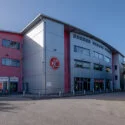
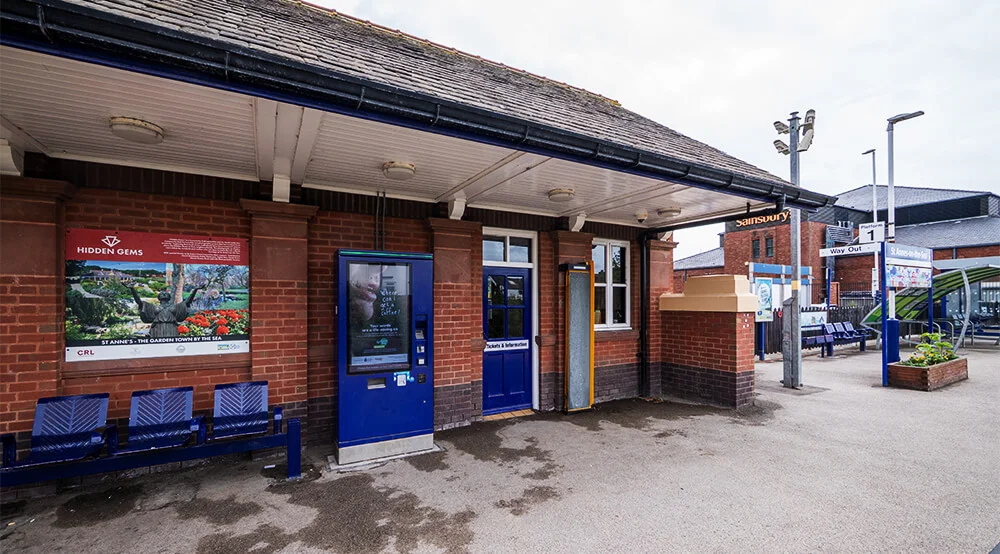
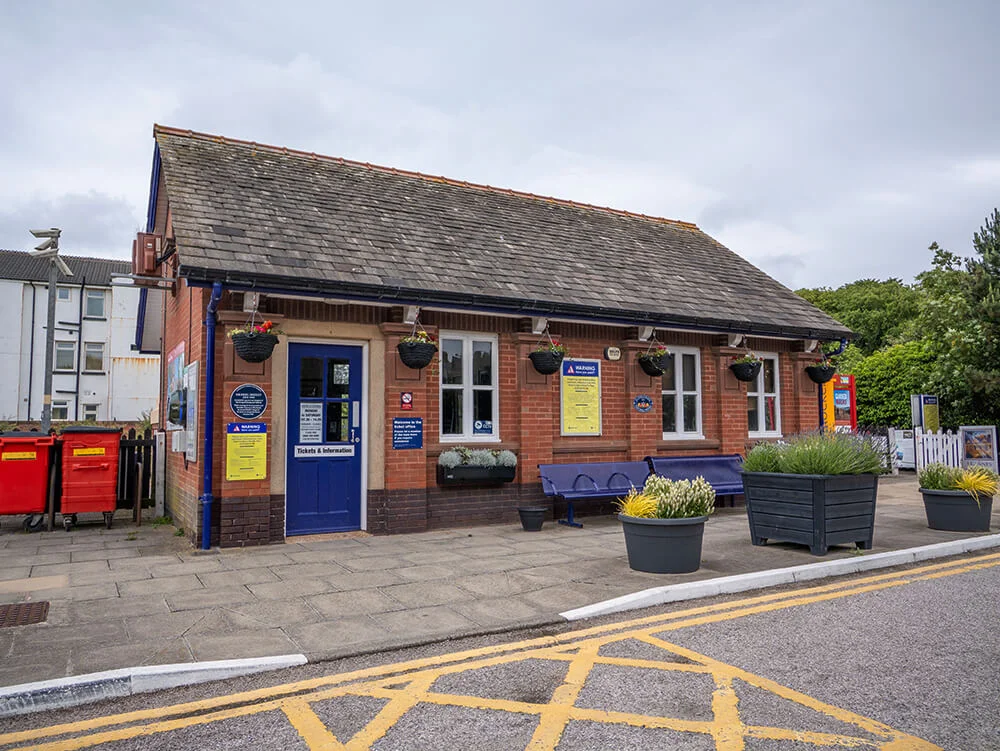
The station has undergone several changes throughout its history. In 1982 the line west of the station was reduced to a single track, followed by the removal of the Up Side platform in 1986 when the route from Kirkham was also singled. Most of the original station buildings were demolished at that time, replaced by a smaller modern facility incorporating a part-time ticket office, officially opened in September 1986 by the Area Passenger Manager.
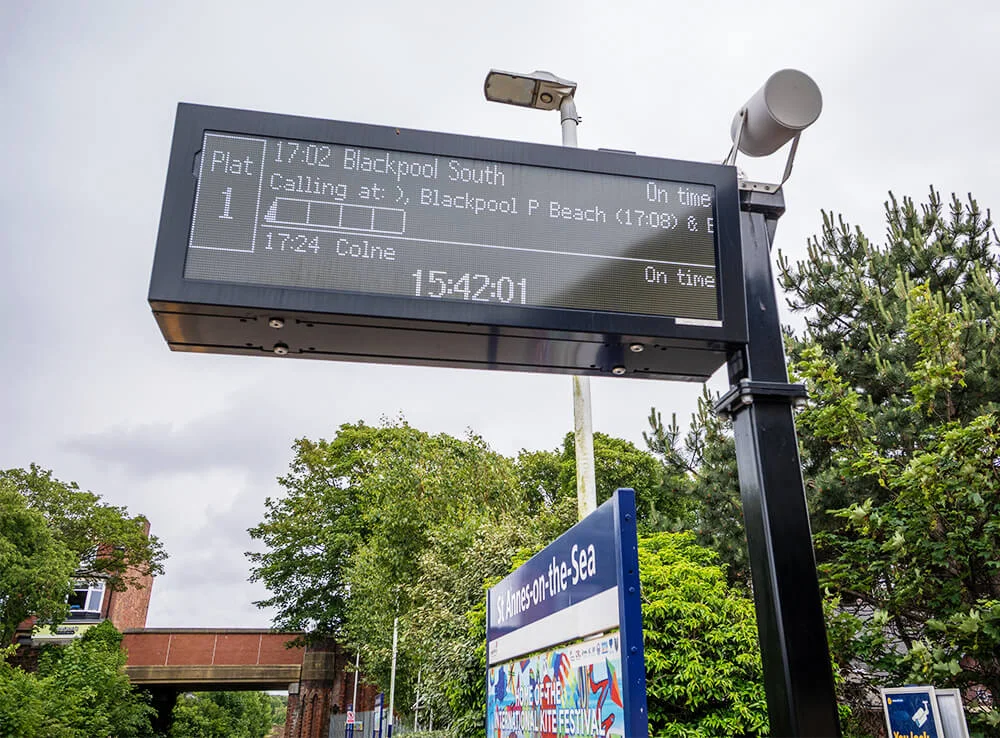
Today the station is operated by Northern and provides regular services between Blackpool South and Preston, with Sunday trains extending to Blackburn and Colne. The station maintains a staffed ticket office during morning and early afternoon hours six days a week, supported by an automated ticket machine for use at other times. Passenger facilities include digital display screens, timetable information, a waiting shelter and bench seating. Step-free access is available directly from the adjacent street, ensuring accessibility for all passengers.
Although St Annes-on-the-Sea once enjoyed a direct service to Manchester Piccadilly, this connection was withdrawn at the close of the 2007–08 timetable. Despite this, the station remains a vital transport link for residents and visitors, continuing to serve the Fylde Coast with regular commuter and leisure travel connections.
Text source: Wikipedia and A1 Steam'swebsite
Images by © Deeper Blue Marketing & Design Ltd


