








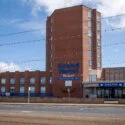




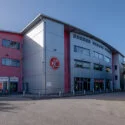




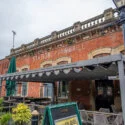







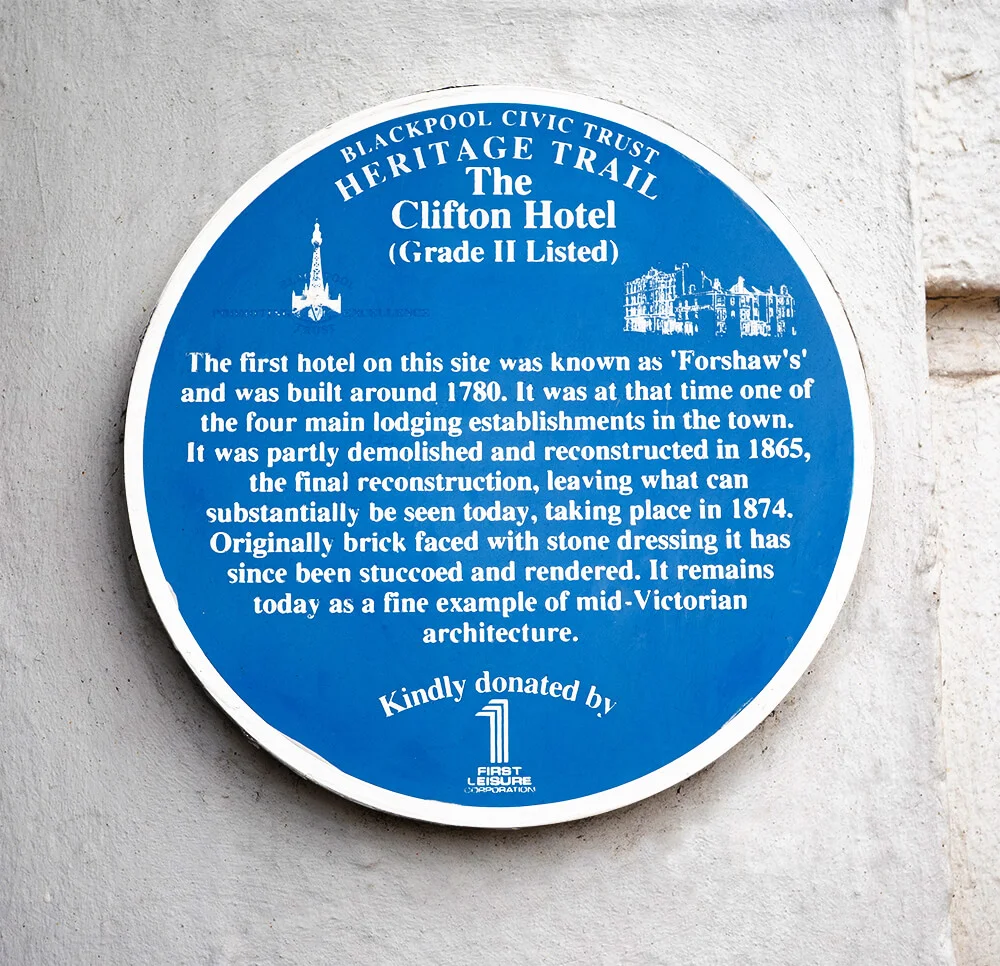
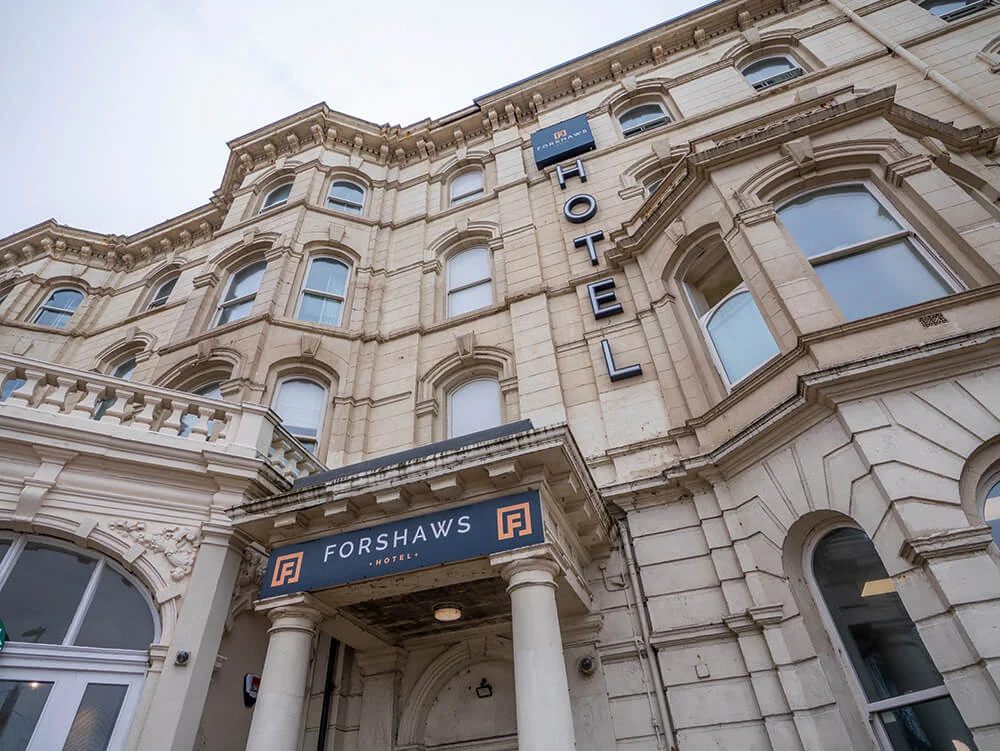
The Clifton Hotel, now operating as Forshaws Hotel, occupies one of the most historically significant sites within Blackpool’s early town centre. Although local tradition associates the location with an inn known as the Clifton Arms as early as the late eighteenth century, verifiable records confirm that the present structure dates from a major rebuilding undertaken between 1865 and 1874. The reconstruction was commissioned by John Talbot Clifton, a prominent local landowner, and resulted in the four-storey Victorian building that still stands today. Constructed of brick with stone detailing and later rendered, it exemplifies the confident architectural character of Blackpool’s mid-nineteenth-century expansion.
By the late 1880s the hotel had become firmly established as one of the town’s principal seaside establishments. In 1889 it came under the management of John Harling, whose tenure coincided with a period of significant civic and cultural growth in Blackpool, marked notably by the opening of the Opera House. Harling’s management continued until 1905, and during those years the Clifton was widely regarded as one of the most reputable hotels in the resort.
Throughout the twentieth century the building evolved through a series of refurbishments and rebrandings, reflecting both changing fashions in hospitality and Blackpool’s own fluctuating fortunes as a seaside destination. It traded under several names, including the Ibis and Travelodge, before adopting the title Forshaws Hotel—a name drawn from one of the earliest inns historically linked with the site.
A comprehensive restoration programme was undertaken in the early twenty-first century, addressing the deterioration of the exterior render and reviving the façade to its original appearance. Completed in 2021, the work reinstated much of the building’s nineteenth-century character while upgrading its interiors to contemporary standards.
Today the Forshaws Hotel remains a Grade II listed building, its fabric embodying nearly a century and a half of local history. Though its earliest origins are partly obscured by time, the structure endures as one of Blackpool’s most distinguished Victorian landmarks—an enduring reminder of the era when the resort first emerged as a leading destination for leisure and coastal travel.
Images by © Deeper Blue Marketing & Design Ltd


