






























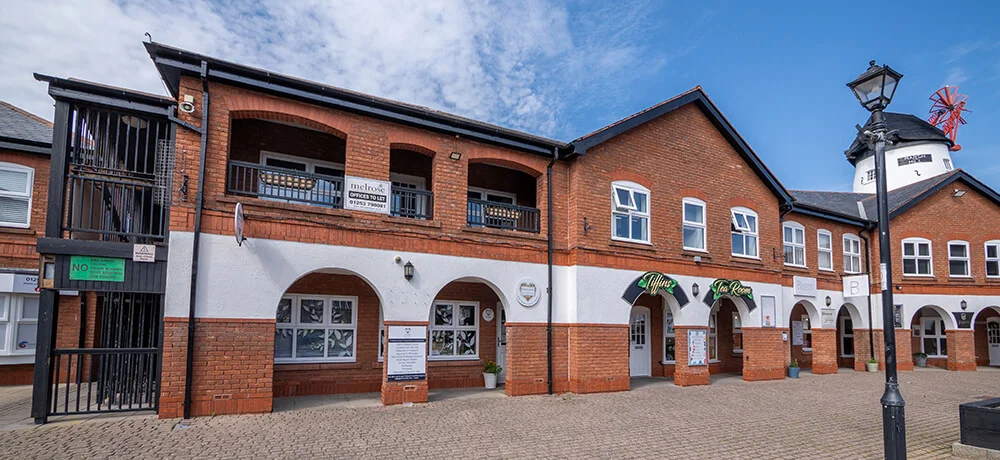
Marsh Mill Village, located in Thornton, near Blackpool, is a heritage and leisure complex centred around Marsh Mill, a beautifully preserved 18th-century tower windmill. Built in 1794 by Fylde millwright Ralph Slater for local landowner Bold Fleetwood Hesketh of Rossall Hall, the mill was constructed on reclaimed marshland from which it takes its name. Originally used for grinding flour and later animal feed, Marsh Mill operated until the 1920s, marking over a century of use as a working corn mill.
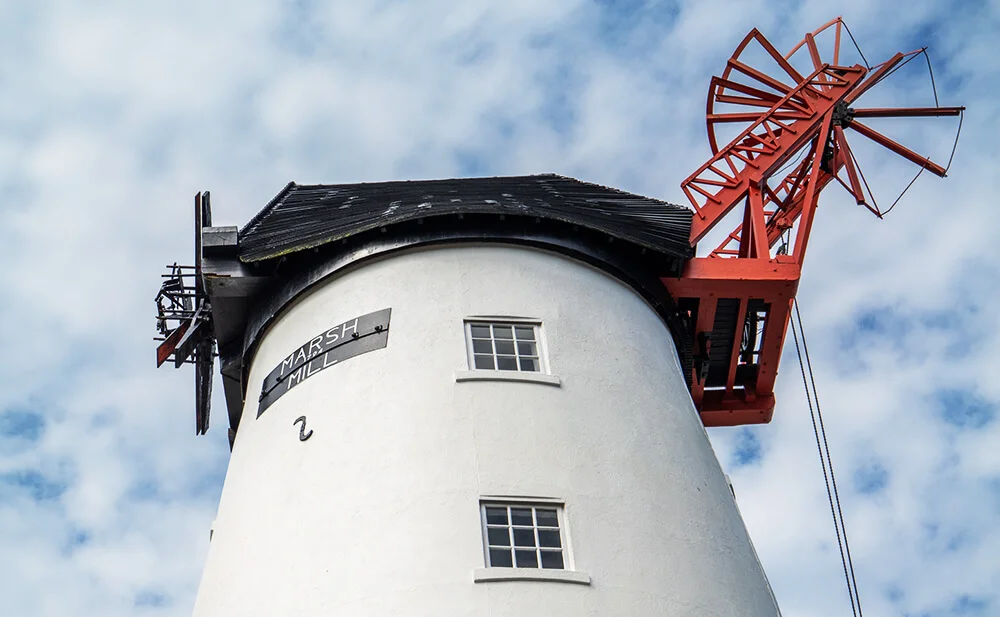
In the 19th century, the mill’s traditional chain and wheel winding system was replaced with a four-bladed fantail, and its common sails were upgraded to patent sails in 1896. After ceasing commercial milling, it briefly served as a café from 1928 to 1935. A tragic incident occurred in 1930, when two prospective buyers were killed after the fantail staging collapsed during an inspection.
Marsh Mill was designated a Grade II listed building on 24 March 1950, recognising its national significance as one of the best-preserved tower windmills in northern England. The Marsh Mill Preservation Society began a major 20-year restoration in 1965, later completed in 1990, restoring the structure and machinery to full working order. English Heritage has described Marsh Mill as “an exceptionally complete example of a tower windmill in a national context.”
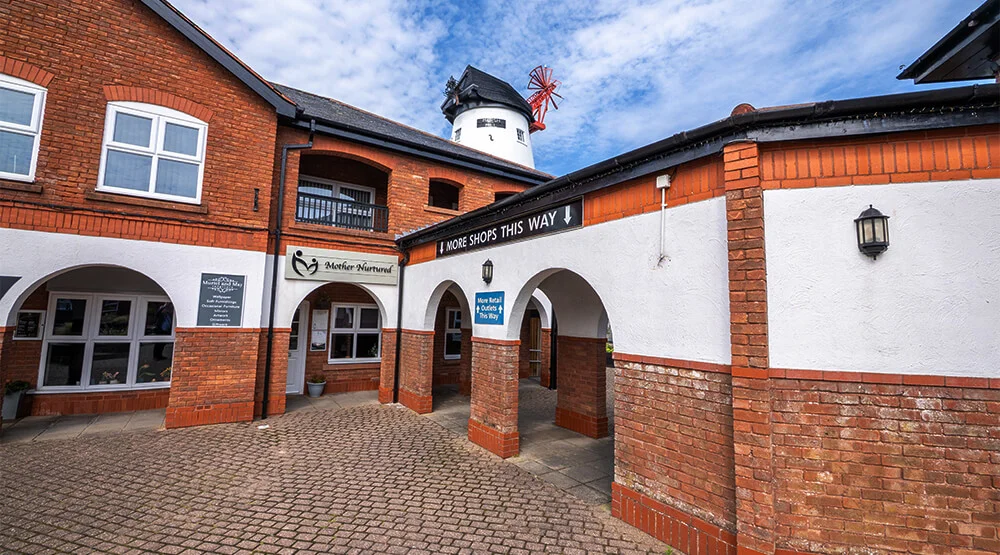
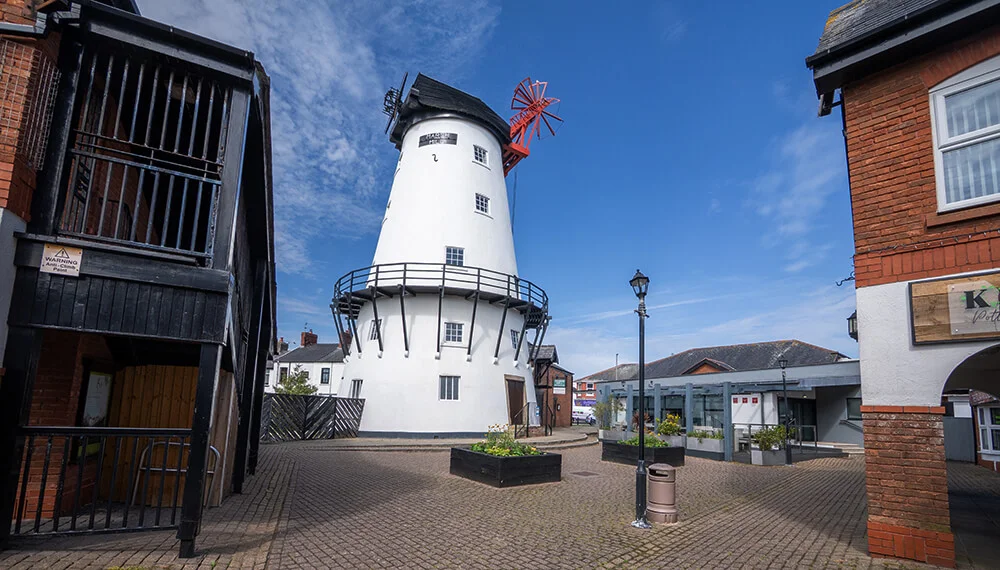
Constructed from rendered brick and standing over 70 feet (21 metres) tall, the mill has five storeys and a tapering tower topped with a boat-shaped wooden cap and a Lees Flyer fantail. Inside, it retains its original milling floors: the meal floor, stone floor with four pairs of millstones, and the dust floor above. A wooden stage encircles the tower at the second floor, providing access to the sails.
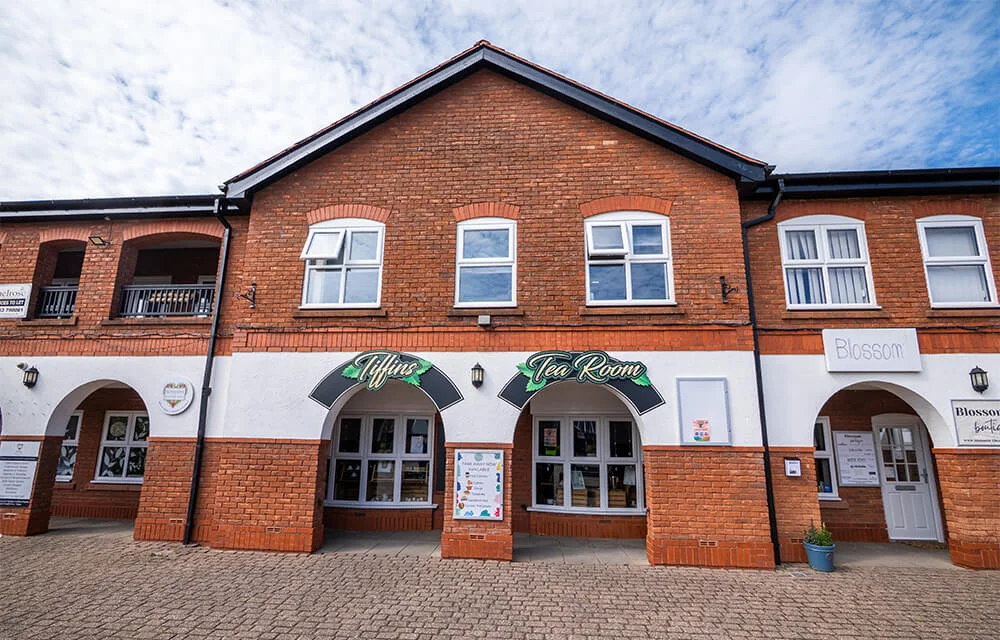
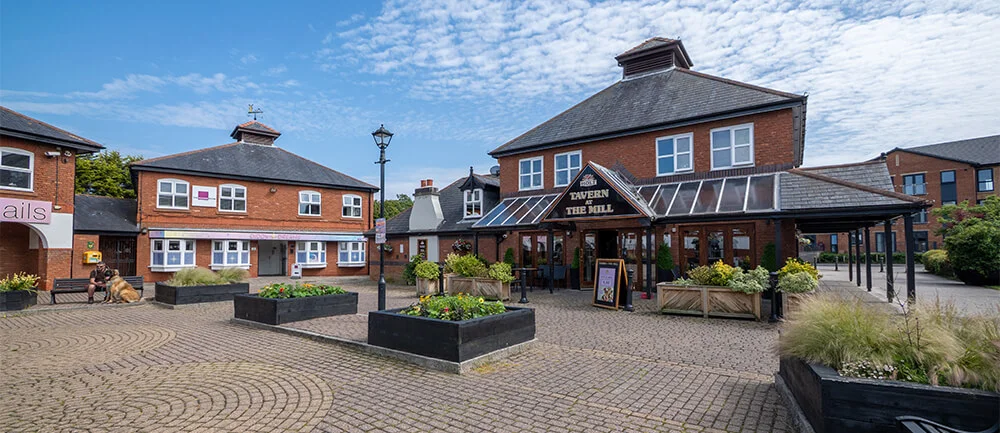
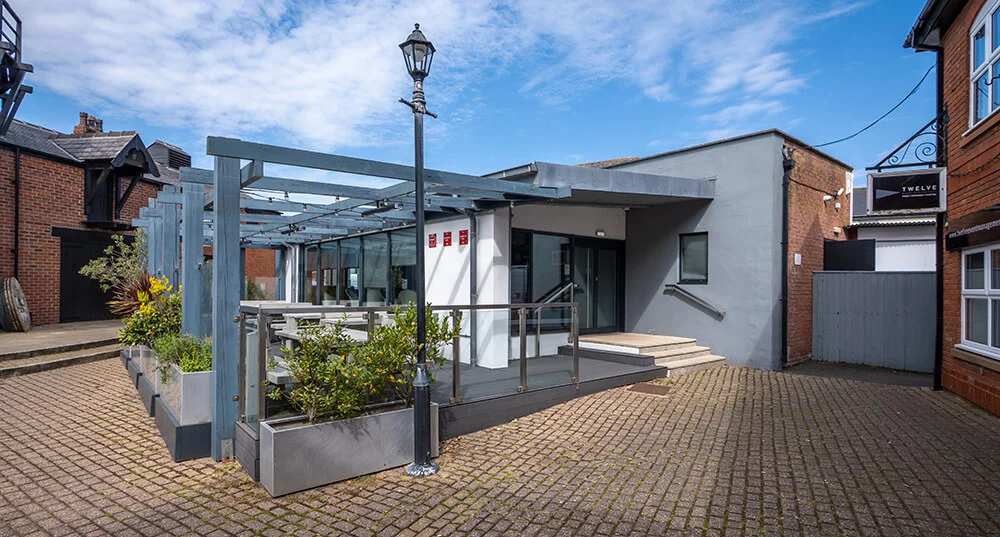
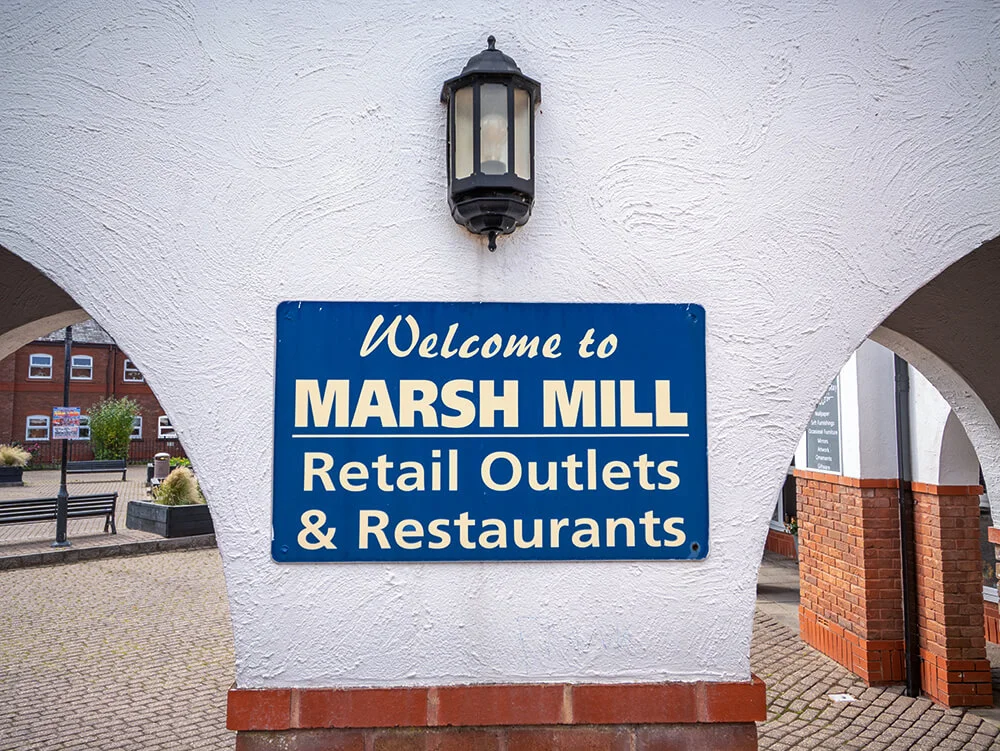
The surrounding Marsh Mill Village was developed as part of a regeneration project, transforming the site into a vibrant courtyard complex featuring shops, offices, cafés, and restaurants, including the award-winning Twelve Restaurant and The Tavern at the Mill pub. Once leased and later purchased outright by Melrose Development Services, the mill remains the historic focal point of the village and continues to attract visitors for guided tours, educational activities, and cultural events celebrating Fylde’s industrial heritage.
Text source: Google AI Overview and Wikipedia
Images by © Deeper Blue Marketing & Design Ltd


